Caring for an aging parent in 2026 looks very different from it did just a few years ago. Families are juggling hybrid work, long-distance caregiving, chronic conditions that require constant monitoring, and the emotional weight of making sure their loved ones stay safe without losing independence.
And here’s the truth: caregiving is no longer just about being present; it’s about staying connected in smarter, more proactive ways. That’s where today’s tech-driven caregiving toolkit enters the picture.
From medical alert watches to remote monitoring solutions for elderly parents, 2026 is shaping up to be the year when caregivers finally have access to reliable, intuitive, and affordable tools—many of which either didn’t exist before or weren’t this advanced.
This guide breaks down the 12 best senior safety devices and caregiving essentials for 2026, including Vitalis-PHA’s subscription-based medical alert and remote monitoring platform, alongside other top-performing tools.
Whether you’re caring for a parent at home or supporting them from another city, this listicle-style toolkit will help you build a personalized safety ecosystem—one that protects your loved one while taking real pressure off you.
Medical Alert Watch
Vitalis Smartwatch (with App + Subscription)
The Vitalis Smartwatch sets the standard for modern medical alert solutions in 2026 by combining a senior-friendly smartwatch, a caregiver mobile app, and professional 24/7 monitoring—offered through flexible monthly or annual subscription plans. Rather than selling a standalone device, Vitalis delivers a complete connected-care ecosystem designed around real caregiving needs.
Unlike traditional alert buttons, the smartwatch works anywhere with cellular coverage and stays continuously connected to caregivers through the Vitalis app. This makes it ideal for active seniors who still drive, walk, run errands, or enjoy hobbies independently.
Primary use:
24/7 emergency support, automatic fall detection, GPS tracking, and ongoing health insights—all enabled through an active Vitalis subscription
Why it matters:
Many seniors resist bulky pendants or single-purpose emergency buttons. A smartwatch blends naturally into daily life while providing critical safety and monitoring features.
Key features included as part of the Vitalis subscription:
- Built-in SOS button connected to a 24/7 monitoring center
- Automatic fall detection with emergency escalation
- GPS and Wi-Fi-based location tracking visible in the caregiver app
- Continuous health insights securely shared via the Vitalis platform
- Cloud-based access for caregivers without manual syncing
Because everything operates through one integrated system (watch + app + monitoring), caregivers don’t have to manage multiple devices or disconnected dashboards.
Whether your loved one lives independently or with family, the Vitalis Smartwatch functions as a quiet, always-on safety layer—supported by professional monitoring and real-time caregiver visibility.
Standalone Automatic Fall Detection Sensor
2026 is seeing a huge rise in environment-based fall detection, meaning sensors installed in the home can detect motion, sudden impacts, or changes in posture. These tools are perfect for seniors with cognitive decline or those who forget to wear their medical devices.
Primary use: Detecting falls without needing a wearable
Why it matters:
60% of seniors who fall don’t push their emergency button—even when they’re wearing it.
Top capabilities to look for:
- Radar-based fall detection (no cameras required)
- Instant caregiver notifications
- Bathroom-safe models
- Coverage for hallways, bedrooms, and kitchens—high-risk zones
While the Vitalis Smartwatch subscription already includes automatic fall detection, many families add room-based sensors to create a layered, redundant safety system for maximum protection.
GPS Tracker for Seniors
A lightweight GPS tracker—clipped onto clothing, attached to a keychain, or built into a shoe insert—offers priceless peace of mind for caregivers managing memory loss or mobility concerns.
Primary use: Real-time location monitoring for wandering prevention
Why it matters:
Dementia-related wandering is one of the leading causes of caregiver emergencies.
Key things to look for:
- Real-time tracking
- “Safe zone” alerts
- Nationwide coverage
- Long battery life
- Water-resistant design
- Easy-to-use caregiver app
The GPS tracking built into the Vitalis Smartwatch and caregiver app covers most day-to-day needs. Some families still supplement with a standalone tracker for additional redundancy or specific high-risk situations.
Remote Patient Monitoring Kit
Vitalis Remote Patient Monitoring (RPM) Program
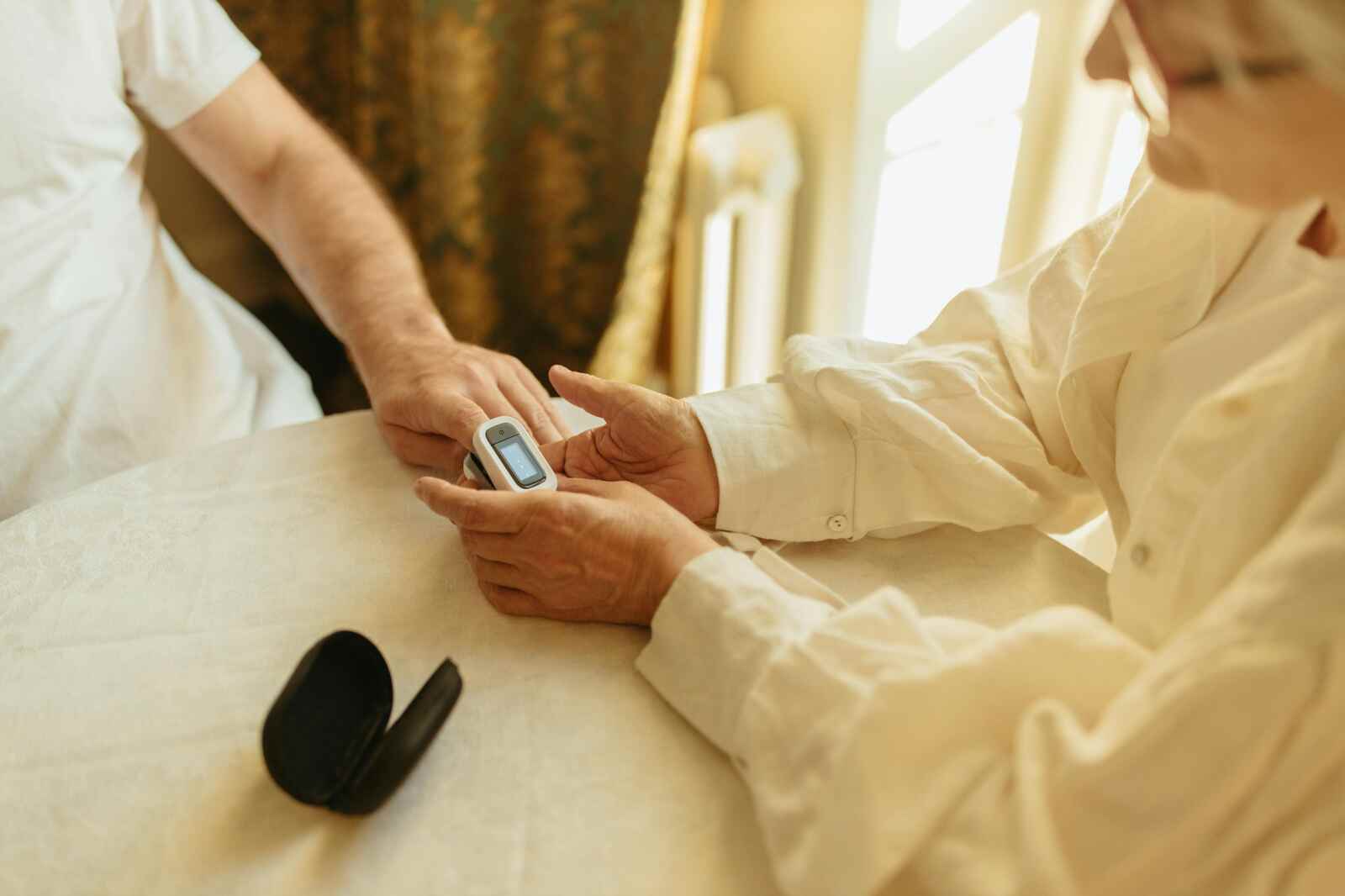
As chronic illnesses rise—including hypertension, diabetes, and respiratory conditions—the demand for connected monitoring has surged. Vitalis-PHA addresses this through its Remote Patient Monitoring (RPM) program, which operates alongside the Vitalis Smartwatch and caregiver app under a structured subscription model.
Instead of selling individual medical devices in isolation, Vitalis focuses on continuous monitoring, shared visibility, and caregiver access through one connected platform.
Primary use:
Ongoing tracking of chronic health conditions with shared access for caregivers and healthcare providers
Why it matters:
Most seniors want to remain at home as long as possible. Subscription-based RPM makes that safer by providing consistent data and alerts without constant in-person visits.
What’s supported within the Vitalis RPM ecosystem:
- Blood pressure monitoring
- Oxygen saturation tracking
- Temperature and weight trends
- Centralized dashboards accessible via the caregiver app
Rather than guessing whether vitals were checked or if values drifted overnight, caregivers gain reliable, ongoing insight without hovering.
Continuous Glucose Monitoring Device (CGM)
CGMs have become essential for diabetic caregiving. These devices allow seniors to monitor glucose trends without finger pricks, while caregivers receive data automatically.
Primary use: Real-time glucose tracking for diabetic seniors
Why it matters:
Glucose spikes often go unnoticed until they cause serious complications.
Top benefits in 2026:
- Smartphone-compatible readings
- Trend alerts for highs and lows
- Caregiver data sharing
- Waterproof, skin-friendly sensors
- 10–14-day wear duration
While CGMs are not produced by Vitalis-PHA, they integrate well with broader RPM platforms to create a more complete health monitoring ecosystem.
Blood Pressure Monitoring Watch
The rise of BP watches in 2026 is a game-changer. These devices use optical and micro-pressure sensors to deliver increasingly accurate readings.
Primary use: Easy, wrist-based blood pressure tracking
Why it matters:
Many seniors forget—or actively dislike—traditional cuff monitors.
Ideal for seniors who:
- Have hypertension
- Live alone
- Need frequent home readings
- Travel regularly
- Prefer cuff-free monitoring
When used alongside the Vitalis subscription ecosystem, BP data becomes more meaningful by adding long-term trends and context rather than isolated readings.
Smart Medication Dispenser
A smart medication dispenser removes the guesswork from daily meds by automatically sorting pills, locking compartments to prevent double-dosing, and sending alerts when it’s time to take each dose. Caregivers receive real-time notifications if a dose is missed, late, or skipped.
Primary use: Automated pill organization and medication adherence
Why it matters:
Missed doses are among the most common—and preventable—causes of senior hospital visits.
Key features:
- Automatic pill sorting
- Lockable dosing compartments
- Audible and visual reminders
- Caregiver app notifications
Ideal for seniors with complex medication schedules.
Smart Home Motion Sensors
Smart motion sensors placed in bedrooms, hallways, kitchens, and bathrooms track daily rhythms such as waking times, nighttime wandering, bathroom visits, and meal patterns. When something feels “off,” caregivers receive immediate alerts.
Primary use: Monitoring daily routines and detecting unusual activity
Why it matters:
Subtle behavioral changes often signal health issues before symptoms appear.
Key features:
- Long-term activity pattern tracking
- Alerts for inactivity or unusual movement
- No cameras—privacy friendly
- Smart home hub integration
Door & Window Safety Sensors
Door and window sensors alert caregivers the moment an unexpected exit occurs—especially important for seniors with dementia who may wander at night.
Primary use: Preventing unsafe exits
Why it matters:
Wandering can escalate into emergencies within minutes.
Key features:
- Instant open/close notifications
- Nighttime exit alerts
- Easy installation
- Long battery life
Smart Thermostat with Safety Alerts
A smart thermostat with safety alerts ensures the home remains within safe temperature ranges. Caregivers are notified if heating or cooling is turned off or fluctuates dangerously.
Primary use: Preventing temperature-related health risks
Why it matters:
Seniors are more vulnerable to heat, cold, and sudden temperature changes.
Key features:
- Unsafe temperature alerts
- Remote control access
- Automatic safety overrides
- Energy efficiency
Two-Way Video Doorbell
A two-way video doorbell allows caregivers to see and speak to visitors remotely, adding security and reassurance for seniors living alone.
Primary use: Protection from scams and unwanted visitors
Why it matters:
Seniors are frequent targets of door-to-door scams.
Key features:
- Live video and alerts
- Two-way audio
- Night vision
- Motion-triggered recording
Emergency Power Backup for Medical Devices
A small uninterruptible power supply (UPS) keeps essential medical equipment, Wi-Fi routers, and monitoring systems running during outages.
Primary use: Maintaining continuity during power failures
Why it matters:
Even short outages can disrupt critical health monitoring.
Key features:
- Automatic switchover
- Compact and quiet design
- Supports medical and connectivity equipment
How to Build a Personalized Caregiving Toolkit for 2026
No two caregiving journeys are the same. Creating an effective caregiving toolkit in 2026 starts with matching tools to your loved one’s real risks.
Step 1: Identify daily risks
- Medication adherence issues
- Fall risk
- Chronic conditions
- Wandering or disorientation
Step 2: Layer devices for redundancy
A medical alert smartwatch, fall detection, and GPS tracking create a reliable safety net.
Step 3: Integrate health data
Choose tools that sync into a single caregiver dashboard when possible. Subscription-based platforms like Vitalis-PHA simplify this process.
Step 4: Prioritize ease of use
If a senior won’t wear or charge a device, it won’t protect them.
Step 5: Reevaluate every 6 months
Health needs evolve—your toolkit should too.
Your 2026 Caregiving Toolkit, Now in One Download
Modern caregiving is complex, but the tools available in 2026 make it easier than ever to protect aging parents while preserving their independence. From senior safety solutions to remote monitoring for elderly loved ones, the right toolkit delivers both safety and peace of mind.
If you’re ready to get started, download the Caregiving Toolkit 2026 Checklist and begin building a personalized care plan today.