Remote Patient Monitoring for Utah Seniors - Stay Healthy From Anywhere in the State
Remote Patient Monitoring (RPM): A Smarter Approach to Health Care
Remote Patient Monitoring (RPM) empowers individuals to track vital health data from the comfort of their homes. Our devices ensure immediate and seamless communication with healthcare teams.
38% of hospital readmissions are reduced by this healthcare model thanks to the early interventions it enables.
- Stay connected
- stay informed
- stay healthier
RPM devices that turn health monitoring into health mastering
What is Remote Patient Monitoring?
Remote Patient Monitoring (RPM) is a technology-driven approach to healthcare that continuously tracks your vital health information through digital devices — right from your home. For the 433,000 Utahns aged 65 and older — many of whom live hours from the nearest specialist in communities like Vernal, Richfield, or Kanab — RPM means your care team is always within reach, without the long drive.
-
Blood pressure
-
Blood sugar levels
-
Weight
-
Oxygen levels
-
Heart rate
-
Activity and sleep
Whether you’re in Salt Lake City, St. George, Provo, or a rural Utah community, this information is immediately transmitted to the healthcare team, who can remotely provide timely advice, adjust the patients’ treatments based on data, and improve long-term health outcomes.
How does RPM benefit patients and providers?
Our services are powered by AI and real-time analytics. At Vitalis, we offer:
Early Disease Detection
Utah ranks among the top 10 states for fastest-growing senior population. Catch issues early, before a rural drive to the ER.
Better Chronic Conditions Management
Diabetes and heart disease are leading causes of death in Utah's rural counties. RPM keeps your numbers in check daily.
Improved Medication Management
Whether you're in Salt Lake City or Moab, your provider sees your readings in real time.
Patient Empowerment
Access to personal health trends encourages informed decisions and increases engagement in self-care.
Secure Data Transmission
Your personal health information is sent through the platform, keeping strict privacy and confidentiality.
Why Remote Patient Monitoring?
It translates into measurable gains in overall well-being
11-point reduction in systolic blood pressure among hypertensive patients.
4.5-point drop in A1C levels for diabetic patients.
92% patient adherence rate.
30% fewer emergency room visits.
For seniors in communities like Vernal, Richfield, or Kanab, where the nearest hospital may be 60+ miles away, RPM isn't just convenient. It's critical.
Certifications, Credentials,
& Social Validation

Caring for a Parent in Utah? Here's What RPM Can Do.
With Remote Patient Monitoring, you don’t have to wait for symptoms to worsen before taking action. Stay ahead of your health comfortably, securely, and proactively.
Who Can Benefit from RPM?
These are among the most common chronic conditions among Utah's 65+ population — and the most manageable with daily remote monitoring.
Hypertension (HTN)
Cardiovascular diseases and heart conditions
Diabetes
Memory-related issues
Asthma and COPD
Weight management challenges
Living at elevation? High altitude can affect heart rate and oxygen levels. Our pulse oximeters and monitors are calibrated for Utah's conditions.
Who We Serve
Healthcare Providers
-
Hospitals and health systems
-
Primary care and medical practitioners
-
Specialty clinics
-
Home health agencies
-
Accountable Care Organizations
Patients
-
Chronic condition management
-
Post-surgical recovery
-
Medication adherence monitoring
-
Elderly care and aging in place
-
Rural patients with limited access to facilities
-
High-risk pregnancy monitoring
Who Is Eligible
Patients on Medicare and Cigna Medicare Advantage plans such as:
Most Utah Medicare and Medicare Advantage plans cover RPM at little to no out-of-pocket cost. We'll verify your Utah plan coverage for free.
Monitored Conditions
Cardiovascular diseases (hypertension, CHF, arrhythmias)
Respiratory conditions (COPD, asthma)
Diabetes management
Post-surgical recovery
Weight management
Medication adherence
Sleep disorders
Neurological conditions
Our Remote Patient Monitoring Devices
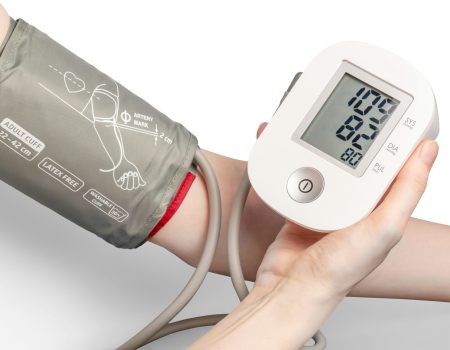
Blood Pressure and Heart Monitors
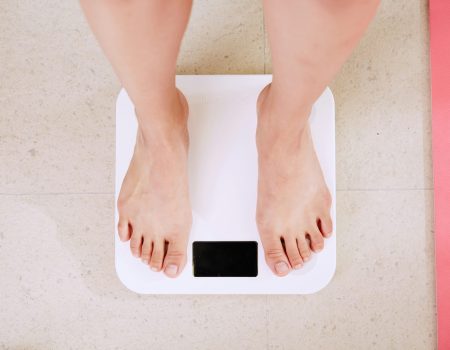
Weight Scales
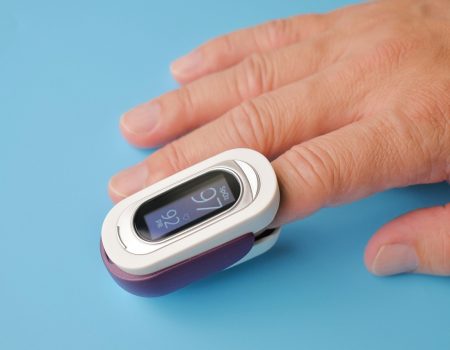
Pulse Oximeters
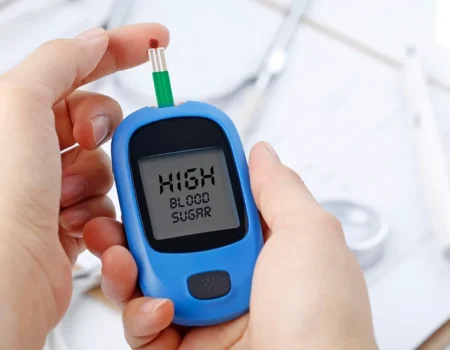
Blood Glucose Meters and Spirometers
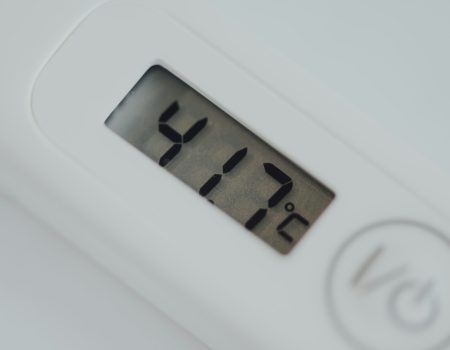
Temperature Sensors
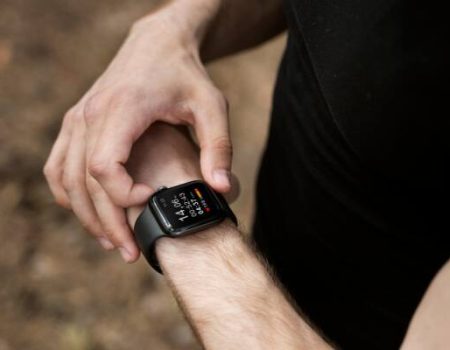
Activity Trackers and Sleep Monitors
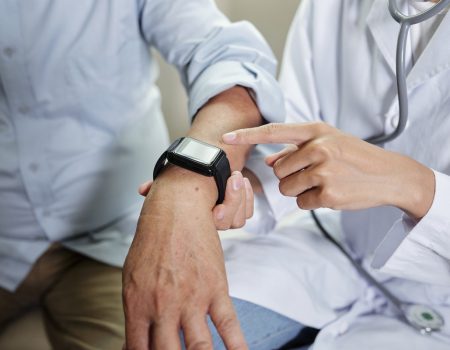
Medication Tools
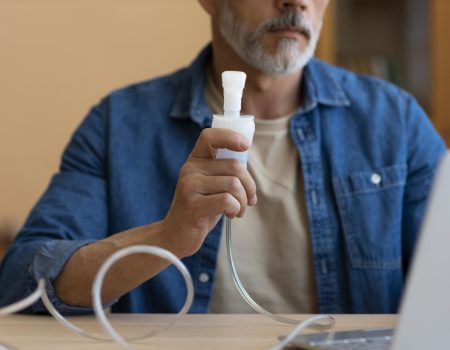
Spirometers
FAQs
How effective is remote patient monitoring (RPM) in managing health conditions?
RPM is significantly effective in managing chronic conditions. It helps patients with chronic illnesses reduce hospital visits, improve health treatment, and achieve better outcomes, such as lower blood pressure readings.
Vitalis devices monitor vital signs relevant to chronic conditions like hypertension, diabetes, heart disease, chronic obstructive pulmonary disease (COPD), and other respiratory issues. Our tools offer real-time insights into blood pressure, oxygen levels, glucose, and heart rate, providing patients with chronic conditions the continuous monitoring they need for optimal health management.
How does RPM work?
RPM uses connected medical devices to track your vital signs and health data from home. This patient data is transmitted to your care team and emergency contacts so they can review the data and make timely adjustments to each treatment. This approach enhances healthcare delivery by enabling continuous monitoring and helps improve patient outcomes through proactive, data-driven care management.
Is Vitalis compatible with smartphones and apps?
Can I use Vitalis if I’m still active and independent?
Absolutely. Vitalis is built for active seniors and elderly adults who want peace of mind while maintaining independence and aging in place. Our remote monitoring technology supports senior health management by providing continuous health monitoring without disrupting daily routines, allowing older adults to stay confident in their independent living while keeping family members and healthcare providers informed about their well-being.
Is there help available for setting up my device?
How often will I need to participate in Remote Patient Monitoring?
Participation varies by condition and care plan. Most remote patient monitoring programs involve daily vital sign readings or weekly health measurements, depending on your chronic condition management needs. However, your monitoring schedule can be completely tailored to your specific health requirements and lifestyle preferences.
For example, patients with diabetes might need daily glucose monitoring, while those managing hypertension may require blood pressure readings twice daily. Heart disease patients could benefit from continuous heart rate monitoring, and individuals with COPD might focus on oxygen saturation levels and respiratory patterns.
What is the cost associated with RPM?
Many RPM services are covered by Medicare and private insurance plans. We recommend checking with your insurance provider to verify your RPM coverage and any potential copays. Our team can provide the necessary documentation and billing codes to help you understand your benefits and out-of-pocket costs.
Contact Vitalis-PHA for assistance with insurance verification and to learn more about covered services under your specific plan.
Does RPM work in rural Utah where internet can be spotty?
Yes, our devices use cellular connectivity and don’t require broadband Wi-Fi, making them ideal for rural Utah communities.
Can my family in Salt Lake City monitor my readings if I live in a different area?
Absolutely, caregivers get a separate dashboard with real-time access.
Latest in RPM
Explore our latest posts to discover how RPM is transforming healthcare.