
Introduction
Watching a parent live with constant pain is hard. It’s tempting to think a pill is the fastest fix, but opioids carry real risks for older adults — falls, confusion, slowed breathing, and dependency chief among them. The good news is that chronic pain management in elderly patients doesn’t have to start and end with opioids. This guide walks through what causes chronic pain in seniors, safer alternatives worth exploring, and how monitoring can help your family track what’s actually working.
What Is Chronic Pain in Older Adults?
Chronic pain is pain that lasts longer than three months, often from conditions like arthritis, osteoporosis, nerve damage, or old injuries. It’s extremely common in older adults, and it’s frequently undertreated because symptoms get dismissed as “just getting old.”
Left unmanaged, chronic pain does more than hurt. It limits mobility, disrupts sleep, and often leads to isolation and low mood. Managing it well isn’t just about comfort — it protects your parent’s independence.
Symptoms to Watch For
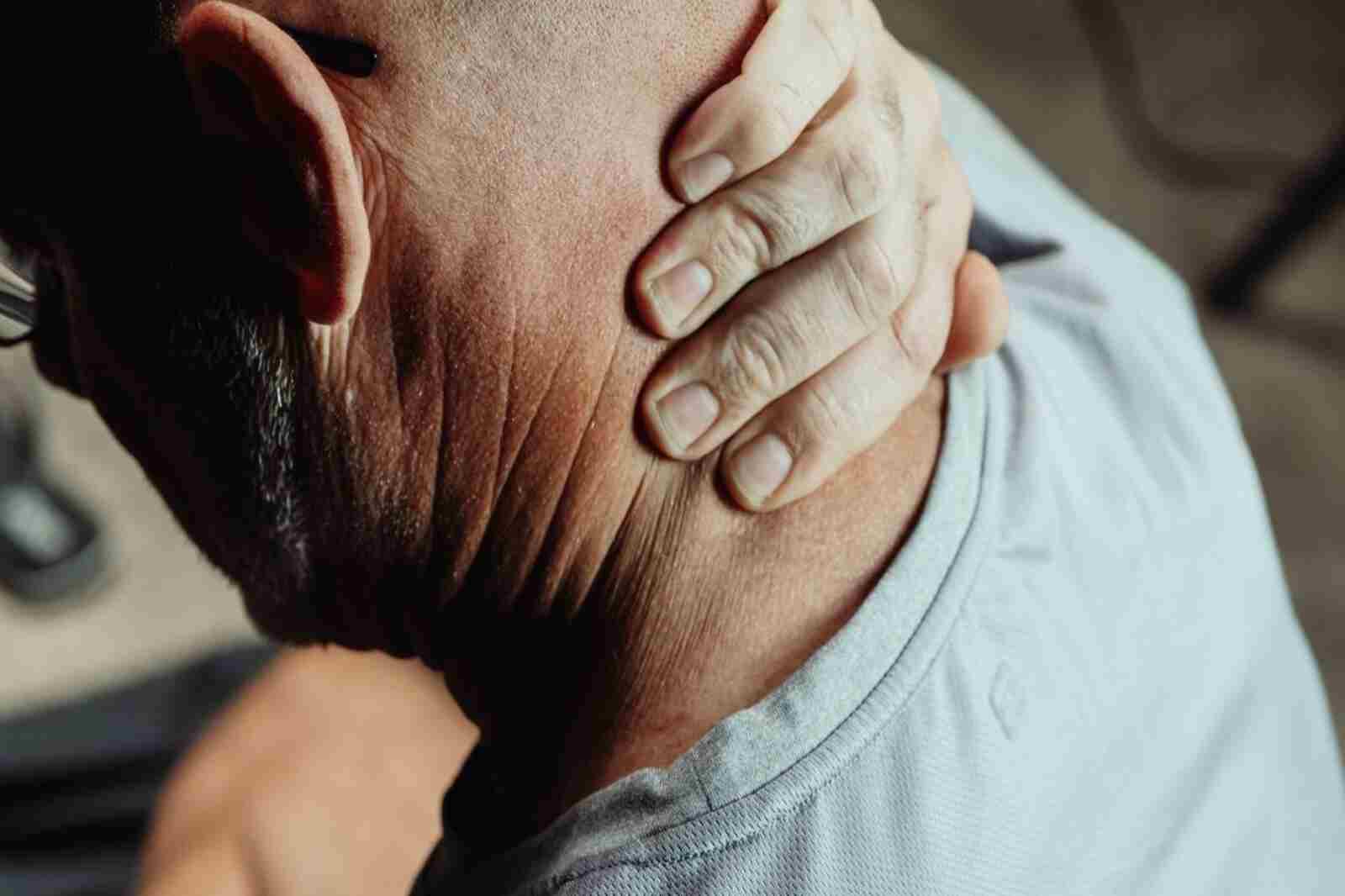
Chronic pain doesn’t always look like complaining. Watch for these signs in a parent or loved one:
- Wincing or moving slowly when standing up or walking
- Avoiding stairs, favorite activities, or usual outings
- Trouble sleeping or frequent nighttime waking
- Irritability, low mood, or withdrawing from conversation
- Skipping meals because standing to cook hurts
- Guarding a specific joint or body part
Why Chronic Pain Happens in Seniors
Several factors combine to make pain more common and harder to manage with age:
- Joint wear. Osteoarthritis affects cartilage that naturally thins over time.
- Nerve changes. Diabetes and shingles can both cause lasting nerve pain.
- Old injuries. Fractures and surgeries from decades ago can flare up again.
- Muscle loss. Reduced strength puts more strain on joints and the spine.
- Multiple conditions at once. Many seniors manage two or three pain sources simultaneously, which complicates treatment.
Why Opioids Carry Extra Risk for Seniors
Opioids can be appropriate in specific situations, and only a doctor can make that call for a specific patient. But for many older adults, the risks are higher than in younger patients:
- Falls. Opioids cause drowsiness and dizziness, and falls are already a leading cause of injury in seniors.
- Confusion. Older adults are more sensitive to opioid effects on the brain.
- Slowed breathing, especially when combined with other medications.
- Dependency, which can develop even when medication is taken exactly as prescribed.
- Drug interactions, since many seniors already take multiple medications for chronic conditions.
<cite index=”77-1″>Nonpharmacologic and nonopioid pharmacologic therapies are preferred for chronic pain</cite>, according to the CDC’s national prescribing guideline, with opioid therapy considered only when the benefits are expected to outweigh these risks.
Looking for safer alternatives?
Vitalis Remote Patient Monitoring helps care teams track how your parent responds to pain treatments, so decisions are based on real data, not guesswork.
Explore Remote Patient Monitoring →Non-Opioid Pain Relief Options for Seniors
There’s a wide range of non-opioid pain relief for seniors worth discussing with a doctor:
Non-opioid medications
- Acetaminophen, often a first-line option for mild to moderate pain
- Topical treatments like lidocaine patches or anti-inflammatory creams
- Certain antidepressants or anti-seizure medications, which can help nerve-related pain at low doses
Physical approaches
- Physical therapy to build strength and improve mobility
- Gentle, low-impact exercise like walking, swimming, or chair yoga
- Heat and cold therapy for flare-ups
Mind-body approaches
- Cognitive behavioral therapy (CBT), shown to reduce pain-related distress and disability
- Guided relaxation or meditation
- Support groups, which help reduce the isolation that often comes with chronic pain
Other options
- Acupuncture or acupressure
- Massage therapy
- TENS units (small devices that use mild electrical pulses to ease pain)
No single option works for everyone. Most effective pain plans for seniors combine two or three of these approaches rather than relying on one.
Building a Chronic Pain Treatment Plan With Your Doctor
- Get a full pain assessment. Ask the doctor to identify the specific source, not just treat the symptom.
- Ask about non-drug options first. Bring up physical therapy, CBT, or exercise programs before medication changes.
- Review all current medications. Some combinations increase fall or interaction risk.
- Set realistic goals. The aim is often reduced pain and improved function, not zero pain.
- Track what works. Pain levels change day to day — tracking helps your doctor adjust the plan with real data instead of guesswork.
How Monitoring Supports a Safer Pain Management Plan
This is where consistent tracking makes a real difference. Pain fluctuates, and it’s easy to lose track of which treatment is actually helping, especially across multiple appointments and caregivers. Remote monitoring gives your family and your parent’s care team an ongoing picture instead of a single snapshot from one office visit.
How Vitalis Helps
Vitalis Remote Patient Monitoring tracks vital signs like heart rate, blood pressure, and activity levels around the clock, giving your parent’s care team the data to spot patterns tied to pain flare-ups, reduced mobility, or medication side effects. Combined with our medical alert monitoring watch, which includes a one-touch SOS button and automatic fall detection, your family gets:
- Faster response times if a fall or medication reaction happens
- Continuous monitoring that captures trends between doctor visits
- Early detection of complications tied to reduced mobility or new medications
- Improved outcomes, since care teams can adjust treatment based on real, ongoing data instead of a single check-up
You can also explore our blood pressure monitoring watch, useful for seniors managing pain medications that can affect heart rate or blood pressure, and learn more about our full approach to preventive health management.
Give your parent’s care team the full picture.
A Vitalis medical alert watch pairs with RPM to track vitals, detect falls, and send instant alerts — day and night.
See How Medical Alert Monitoring Works →FAQs
Is it safe to stop opioids suddenly if my parent is already taking them? No. Stopping opioids abruptly can be dangerous. Any changes to an existing prescription should be made gradually and only under a doctor’s supervision.
Can non-drug therapies really replace medication? For many seniors, yes — especially when combined. Physical therapy, exercise, and CBT have solid evidence behind them, though the right mix depends on the individual and the type of pain.
How do I bring this up with my parent’s doctor without it feeling dismissive of their pain? Frame it as expanding the toolkit, not replacing care. Something like, “Can we look at some options alongside what you’re already prescribing?” tends to open the conversation well.
Does insurance cover physical therapy or remote monitoring for pain management? Many remote patient monitoring programs are covered by Medicare and private insurance. Coverage for physical therapy varies by plan, so it’s worth checking directly.
What if my parent refuses to try anything besides their current medication? Start with one small addition, like a short daily walk or a heating pad, rather than asking them to overhaul their whole routine at once.
A Safer Path Forward
Chronic pain deserves to be taken seriously, and so does the risk that comes with over-relying on opioids to manage it. A combination of the right non-drug therapies, careful medication choices, and consistent monitoring gives your parent real relief and gives your family real visibility into how they’re doing day to day.
Take control of your family’s health today. Schedule a consultation with Vitalis and get personalized monitoring support that helps your parent’s care team make safer, better-informed decisions.
Take control of your family’s health today.
Schedule a free consultation with Vitalis and get personalized monitoring support that helps your parent’s care team make safer, better-informed decisions.
Schedule Your Consultation →Suggested Reads
- Explore Vitalis’ Remote Patient Monitoring services
- Blood Pressure Monitoring Watch
- More senior health resources on the Vitalis Blog
Sources
- CDC: Highlighted Updates: 2022 Clinical Practice Guideline for Prescribing Opioids for Pain
- NIH National Library of Medicine: Management of Chronic Pain in Older Adults
This content is for informational purposes only and does not replace professional medical advice, diagnosis, or treatment. Never stop or change a pain medication without consulting a qualified healthcare provider.