Many older adults walk around with dangerously high blood pressure for years without realizing it. They feel fine; right up until a stroke, heart attack, or fall caused by dizziness forces their family into crisis mode.
As more seniors strive to stay independent through their 60s, 70s, and beyond, recognizing the early signs of high blood pressure is crucial. In this guide, we break down the most overlooked signs of hypertension in seniors, why these symptoms often go unnoticed, and how wearables like a blood pressure monitoring watch help older adults track their numbers daily.
Whether you’re a senior, caregiver, or adult child looking after aging parents, this is information you’ll want to save and share.
Why Hypertension Is Called the “Silent Killer”
Hypertension rarely causes obvious symptoms until blood pressure reaches crisis levels. That’s why nearly half of adults over 60 with high blood pressure don’t know they have it.
Here are three reasons that make hypertension especially dangerous for older adults:
1. Symptoms are often misinterpreted
Dizziness is blamed on dehydration. Headaches are attributed to aging. Shortness of breath is chalked up to being “out of shape.” However, these are classic signs of hypertension.
2. Seniors normalize feeling unwell
Older adults often adjust to symptoms gradually. A headache that used to be rare may become “just part of getting older.”
3. Blood pressure fluctuates throughout the day
That means a doctor’s reading may not reflect the spikes that happen at home, especially morning surges.
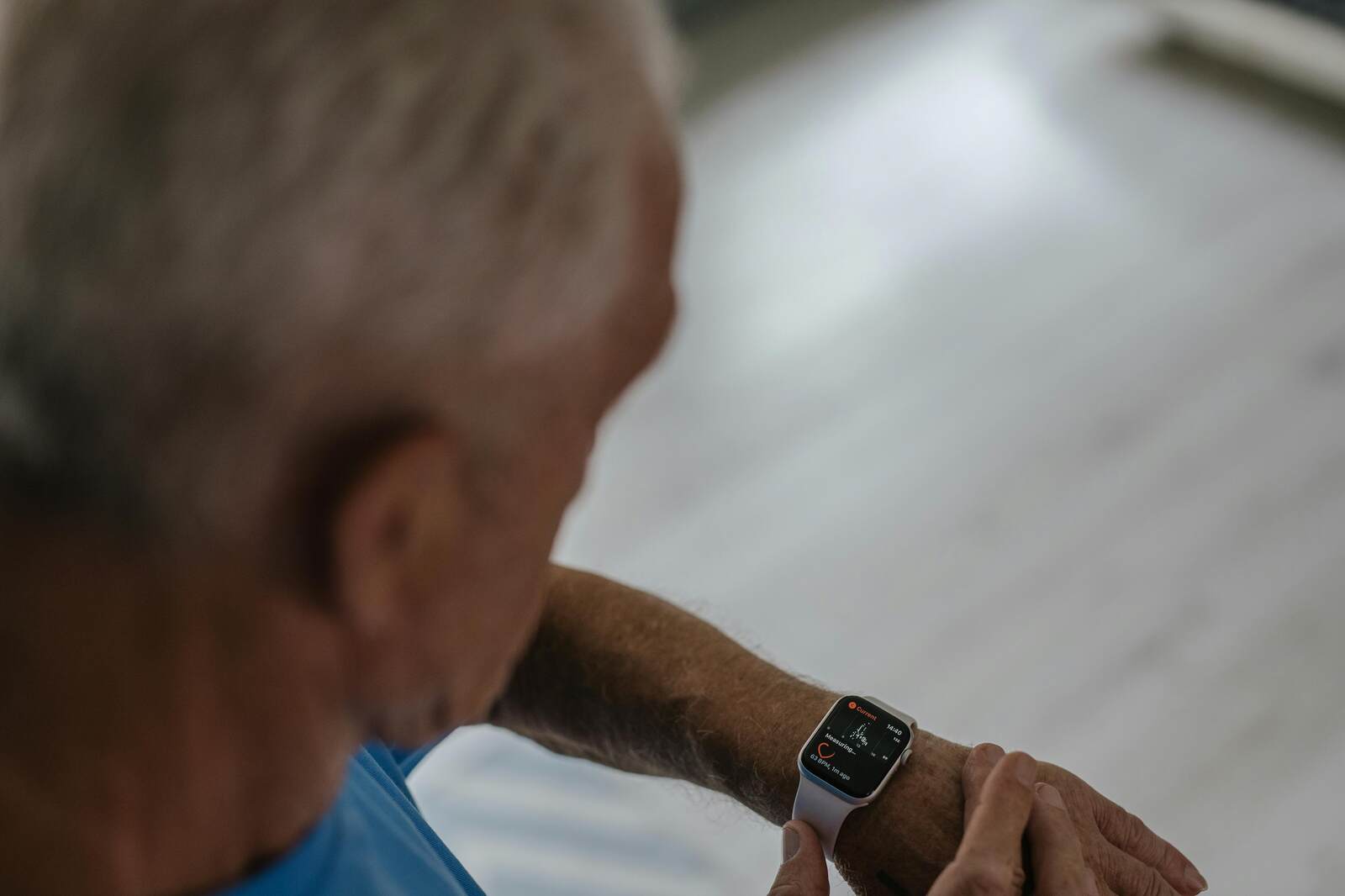
This is why daily monitoring matters. A blood pressure monitoring watch allows seniors and caregivers to spot trends before emergencies occur. Now, let’s break down the symptoms you should never ignore.
Sign 1: Morning Headaches
One of the most overlooked signs of hypertension in seniors is the recurring morning headache. This typically happens because blood pressure rises overnight and surges upon waking.
Why it matters
- Morning spikes significantly increase the risk of stroke.
- These headaches are not caused by dehydration or poor sleep but by pressure changes in the blood vessels.
- Seniors may describe them as throbbing, tight, or “pressure-like.”
What caregivers should watch for
- Headaches that are worse in the morning and improve as the day goes on.
- New, recurring headaches in someone who didn’t have them in their younger years.
- Headaches paired with vision changes or dizziness.
This is often the earliest red flag and the easiest to catch with regular BP tracking.
Sign 2: Dizziness or balance issues
Dizziness is one of the most dangerous hypertension symptoms 60+, because it leads to falls, which is still the leading cause of injury and hospitalization among seniors.
Why does hypertension cause dizziness?
High blood pressure affects:
- Blood flow to the brain
- Oxygen delivery
- Inner ear function
- Stability and coordination
While dizziness has many causes, a sudden or worsening imbalance in adults over 60 should prompt a BP check immediately.
When it’s most concerning
- Dizziness when standing
- Sudden, unexplained light-headedness
- Frequent “off-balance” moments
- Fainting episodes
Even if symptoms seem minor, they could indicate a hypertensive spike happening at home.
Sign 3: Shortness of Breath
Shortness of breath is a widely misunderstood early symptom of high blood pressure. Many seniors attribute it to aging or being out of shape, but hypertension forces the heart to work harder to push blood through resistant arteries.
How high blood pressure affects breathing
- The heart muscles thicken
- Oxygen transport becomes less efficient
- The lungs compensate by working harder
This can feel like:
- Trouble climbing stairs
- Needing more breaks during activities
- Feeling winded after mild exertion
- Difficulty taking a deep breath
- Tightness in the chest
If breathing changes suddenly or progressively worsens, it may be a sign of undiagnosed hypertension or an impending cardiovascular event.
Sign 4: Vision problems
Vision changes are a direct and serious indicator of uncontrolled high blood pressure.
How hypertension impacts vision
Blood pressure affects the tiny blood vessels behind the eyes. Over time, elevated pressure damages these vessels, resulting in:
- Blurred vision
- Double vision
- Spots or “floaters.”
- Reduced peripheral vision
- Sudden temporary blindness in one eye
Ophthalmologists can often detect high blood pressure simply by examining the blood vessels in the retina. If vision problems appear suddenly, treat them as an emergency.
Sign 5: Chest Pressure or Irregular Heartbeat
While not always dramatic, subtle chest discomfort is one of the most important signs of hypertension in seniors and one that should never be ignored. High blood pressure forces the heart to work harder, which can cause sensations that many older adults dismiss as indigestion, stress, or “normal aging.”
How does hypertension trigger these symptoms?
- The heart works overtime to push blood through stiff, narrow arteries.
- Overexertion leads to chest tightness, pressure, or heaviness.
- Electrical signals in the heart can become disrupted, causing irregular heartbeat or palpitations.
- Reduced blood flow increases strain during mild activity.
What it feels like for seniors
- A “heavy” or “tight” sensation in the chest
- Heart fluttering or skipping beats
- Increased awareness of heartbeat during rest
- Chest discomfort during activity that improves when sitting
- Mild but persistent discomfort mistaken for gas or reflux
Why this sign matters
These sensations may be early warning signs of:
- Left ventricular hypertrophy
- Arrhythmias
- Impending hypertensive crisis
- Increased risk of heart attack
Even mild, recurring chest pressure in adults 60+ deserves immediate attention and a blood pressure check.
Long-Term Risks if Hypertension Goes Undetected
Failing to recognize the early signs of high blood pressure can have devastating consequences for seniors. Hypertension quietly damages arteries, organs, and the brain.
Here are the long-term risks:
1. Stroke
One of the leading causes of disability in older adults.
High blood pressure is the #1 modifiable risk factor.
2. Heart attack
Hypertension forces the heart to pump harder, leading to thickening of the heart walls and eventually heart failure.
3. Kidney damage
High blood pressure destroys the kidney’s filtering system, increasing the risk of chronic kidney disease.
4. Cognitive decline
Emerging research shows strong links between hypertension and:
- Vascular dementia
- Memory loss
- Alzheimer’s progression
5. Vision loss
Hypertensive retinopathy can permanently damage eyesight.
The tragedy is that most of these outcomes are preventable with early monitoring and intervention.
How Wearable BP Monitors Help Seniors Track Symptoms Daily
Traditional cuff-based BP checks are effective—but most seniors don’t use them daily. That’s where modern wearables come in.
A blood pressure monitoring watch offers:
- Automatic BP readings throughout the day
- Alerts when spikes happen
- Trend reports for caregivers
- Morning surge detection
- Readings stored digitally for doctors
This is especially important because:
- BP spikes often occur when a senior is alone
- Symptoms may appear and disappear quickly
- Doctor visits don’t capture daily fluctuations
In 2026, wearable BP tracking has become one of the most effective tools for catching early hypertension symptoms before they escalate.
Vitalis BP Monitoring Device: Key Features
When choosing a wearable device for seniors, accuracy, simplicity, and reliability matter. The Vitalis BP Monitoring Device is designed specifically for older adults and caregivers who need trustworthy readings without complicated apps or steps.
What makes Vitalis different
The Vitalis BP Monitoring Device is engineered with seniors in mind, offering clinically validated blood pressure readings that account for age-related physiological changes. This ensures accuracy that caregivers and physicians can rely on.
It provides automatic daily monitoring, so seniors never have to remember to take a manual reading. When unusual spikes occur, the device sends real-time alerts directly to caregivers, helping families respond before symptoms escalate.
Designed for comfort and clarity, the device features a large, easy-to-read screen and a lightweight build that’s comfortable for all-day wear. It also offers continuous heart-rate tracking, giving a fuller picture of cardiovascular health throughout the day.
Unlike many wearables, Vitalis requires no smartphone to operate, reducing barriers for seniors who prefer simpler technology. And in emergencies, it integrates seamlessly with the Vitalis Medical Alert Watch through two-way communication, ensuring seniors can reach help quickly and easily.
Why seniors prefer Vitalis
- Easy to use
- No confusing menus
- Looks like a standard smartwatch
- Comfortable enough for all-day wear
Why caregivers trust it
- Accurate data available anytime
- Early warning detection for hypertension
- Faster intervention
- Peace of mind
Hypertension is unpredictable, but monitoring doesn’t have to be. High blood pressure may be a “silent killer,” but the signs are rarely completely silent. Seniors frequently experience symptoms; they just don’t connect them to hypertension.
To protect yourself or a loved one, watch for these warning signs:
- Morning headaches
- Dizziness or balance issues
- Shortness of breath
- Blurred or changing vision
Adopt healthy habits:
- Reduce sodium
- Stay hydrated
- Walk daily
- Limit alcohol
- Sleep consistently
- Reduce stress
Use daily monitoring tools:
Wearables like the Vitalis blood pressure monitoring watch empower seniors to detect spikes early and act before emergencies occur.
High blood pressure doesn’t have to lead to fear or uncertainty. With awareness, proactive monitoring, and the right tools, seniors can stay independent, safe, and healthy longer.