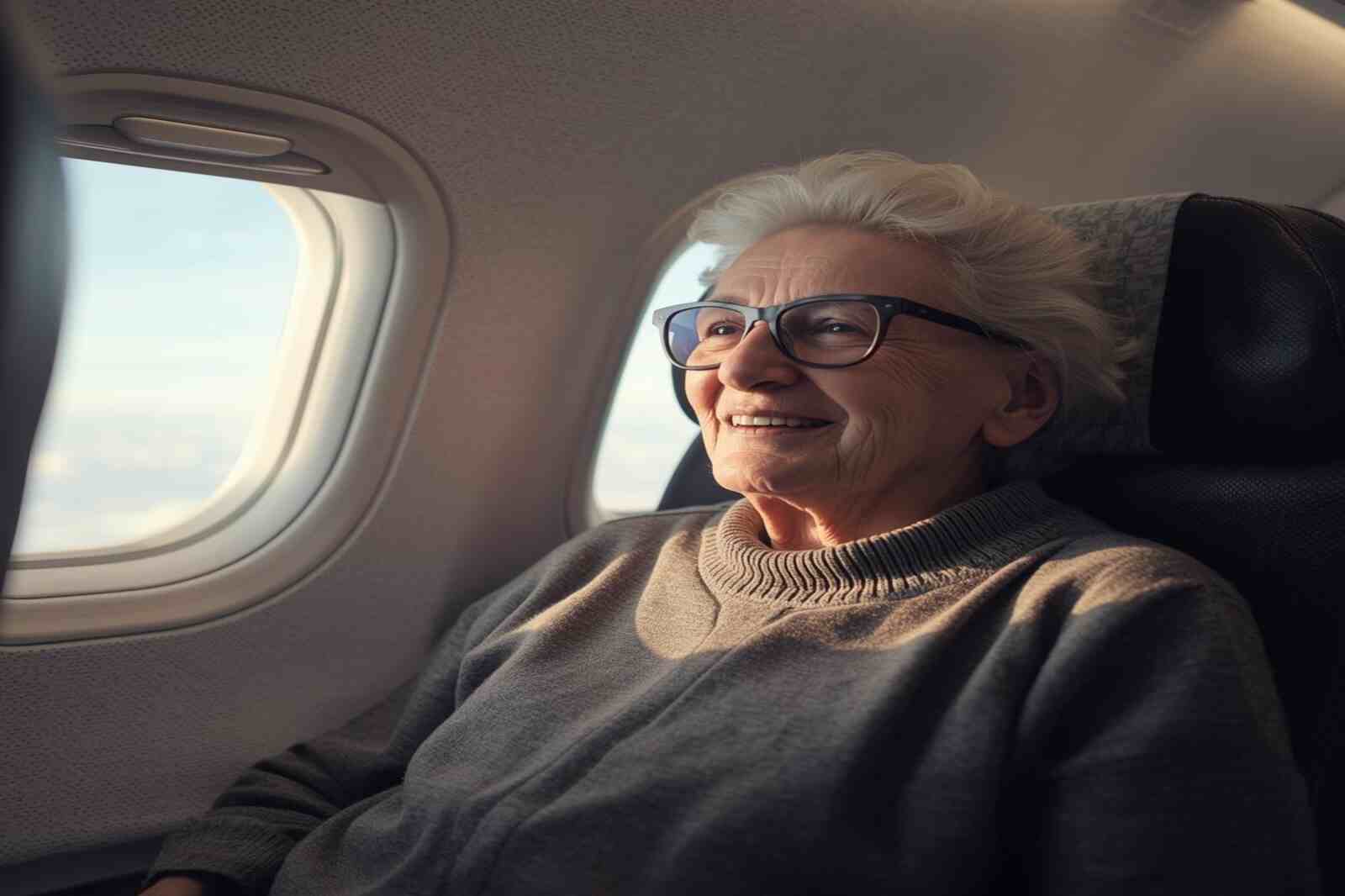
Travel in your 60s and beyond can be one of life’s greatest rewards. Retirement brings flexibility. Grandchildren live in different states. Bucket-list destinations finally feel possible.
But many older travelers notice something frustrating: jet lag feels worse than it used to.
If you’ve ever thought, “Why is this taking me so long to recover?” — you’re not imagining it.
Yes, jet lag can be harder after 60. And understanding why can help you travel more safely and comfortably.
What Is Jet Lag, Exactly?
Jet lag happens when your internal body clock (circadian rhythm) gets out of sync with a new time zone. Your body still thinks it’s 2 AM when the local time says 9 AM.
Common symptoms include:
- Fatigue
- Difficulty sleeping
- Brain fog
- Digestive issues
- Irritability
- Headaches
For most younger adults, recovery takes a few days. But for seniors, the adjustment period can stretch longer — and the risks can be greater.
Why Jet Lag Feels Harder After 60
There are several biological reasons why older adults may struggle more with time-zone changes.
- The Circadian Rhythm Naturally Weakens With Age
As we age, the body’s internal clock becomes less flexible. Melatonin production decreases, and sleep cycles become lighter and more fragmented.
This makes it harder to “reset” to a new time zone.
You may notice:
- Waking up too early
- Trouble staying asleep
- Feeling exhausted during the day
- Sleep Quality Is Already More Fragile
Many adults over 60 experience:
- Insomnia
- Sleep apnea
- Restless leg syndrome
- Frequent nighttime waking
Adding jet lag on top of existing sleep disturbances can intensify fatigue and confusion.
- Medication Timing Gets Complicated
Many seniors take medications for:
- Blood pressure
- Heart conditions
- Diabetes
- Thyroid disorders
When traveling across time zones, medication schedules can become tricky. A dose taken too early or too late may affect blood pressure, blood sugar levels, or heart rhythm.
Even mild dehydration during flights can amplify these effects.
- Slower Physiological Recovery
A younger body can bounce back from sleep deprivation more easily. After 60, recovery from fatigue may take longer.
Prolonged exhaustion increases:
- Fall risk
- Dizziness
- Blood pressure fluctuations
- Cognitive confusion
And that’s where jet lag becomes more than an inconvenience — it becomes a safety concern.
Hidden Risks of Jet Lag in Seniors
Jet lag itself is not dangerous. But the side effects can increase the likelihood of emergencies.
Increased Fall Risk
Sleep disruption affects balance and reaction time. If a senior wakes up disoriented in a new environment (like a hotel room), the risk of tripping or falling rises.
Nighttime bathroom visits are particularly risky.
Blood Pressure Spikes
Poor sleep and travel stress can elevate cortisol levels and blood pressure. For seniors with hypertension, this may increase the risk of:
- Stroke
- Heart attack
- Hypertensive crisis
- Dehydration and Circulation Problems
Airplane cabins are dry. Seniors are more susceptible to dehydration, which can cause:
- Dizziness
- Low blood pressure
- Confusion
- Increased clotting risk on long flights
Cognitive Disorientation
Older adults may experience temporary confusion when severely sleep-deprived. In unfamiliar environments, this can lead to wandering or delayed reaction during emergencies.
How Long Does Jet Lag Last After 60?
There’s no universal timeline. A common rule of thumb is:
It takes about one day per time zone crossed to adjust.
But for adults over 60, recovery may take slightly longer — especially if traveling east (which is typically harder than westward travel).
Factors that influence recovery:
- Overall health
- Sleep quality before travel
- Number of time zones crossed
- Hydration levels
- Existing medical conditions
Practical Ways to Reduce Jet Lag After 60
The good news: jet lag can be managed with preparation.
- Gradually Adjust Your Schedule
Start shifting your bedtime 3–5 days before departure. Even moving 30–60 minutes earlier or later can help.
- Prioritize Hydration
Drink water before, during, and after flights. Limit caffeine and alcohol, which worsen dehydration and sleep disruption.
- Get Daylight Exposure
Natural light is one of the strongest regulators of circadian rhythm. Spend time outdoors in the morning at your destination.
- Move During Flights
Stand, stretch, and walk every few hours to improve circulation.
- Be Mindful of Medication Timing
Consult your doctor before international travel to adjust medication schedules safely.
- Plan “Recovery Days”
Avoid scheduling intense activities immediately after arrival. Give your body time to adjust.
What About Traveling Alone After 60?
Solo travel can be empowering. Many seniors travel independently with confidence.
But jet lag increases vulnerability in the first 48 hours — especially when:
- Sleeping in an unfamiliar place
- Feeling weak or dizzy
- Managing medications alone
- Navigating airports or transportation systems
- During this adjustment period, having a safety plan matters.
For seniors who travel frequently or live independently, services like Vitalis Medical Alert Monitoring provide an added layer of protection. With 24/7 emergency response support available at the press of a button, travelers can access help quickly — whether at home or on the go. For many families, that reassurance makes independent travel feel safer and less stressful.
It’s not about limiting independence. It’s about protecting it.
When Jet Lag Becomes a Medical Concern
Jet lag usually resolves on its own. However, seek medical attention if you experience:
- Chest pain
- Shortness of breath
- Sudden weakness on one side
- Severe confusion
- Persistent dizziness
- Fainting
- Unusual heart palpitations
These are not typical jet lag symptoms and may indicate something more serious.
Families should also watch for prolonged cognitive changes or unusual behavioral shifts after travel.
Special Considerations for Seniors With Chronic Conditions
Jet lag may pose greater risks for older adults with:
- Cardiovascular disease
- Diabetes
- Sleep apnea
- Neurological disorders
- Mobility limitations
In these cases, sleep disruption and dehydration can aggravate underlying conditions.
Travel planning should include:
- A medication list
- Emergency contact information
- Knowledge of nearby medical facilities
- A wearable alert device if traveling alone
Is Jet Lag Worse After 70 or 80?
While age alone doesn’t determine severity, overall health status matters more than chronological age.
A healthy 75-year-old who exercises and sleeps well may recover faster than a sedentary 62-year-old with chronic insomnia.
What makes the biggest difference?
- Cardiovascular health
- Physical fitness
- Sleep hygiene
- Hydration
- Stress management
The stronger the baseline health, the easier the adjustment.
Supporting an Aging Parent Who Travels
If your parent travels alone, consider discussing:
- Medication timing plans
- Hydration strategies
- Fall prevention precautions
- Emergency communication tools
Sometimes the biggest stressor isn’t jet lag — it’s the worry families feel from afar.
Open conversations about safety measures can reduce anxiety for everyone involved.
The Emotional Side of Jet Lag
Sleep deprivation doesn’t just affect the body — it affects mood.
Older adults may feel:
- Irritable
- Tearful
- Overwhelmed
- Less confident navigating unfamiliar places
Recognizing that these emotional shifts are temporary can help reduce frustration.
The Bottom Line: Is Jet Lag Harder After 60?
Yes — it can be.
Changes in sleep patterns, slower physiological recovery, medication timing challenges, and increased vulnerability to falls or cardiovascular stress all make adjustment more complex.
But jet lag does not mean travel is unsafe.
With preparation, hydration, proper sleep strategies, and a thoughtful safety plan, seniors can continue exploring the world confidently.
Travel after 60 should feel freeing — not frightening.
The key is understanding how your body changes with age and planning accordingly.
Because independence doesn’t disappear with age. It simply requires smarter preparation.
Frequently Asked Questions
Does melatonin help seniors with jet lag?
Melatonin may help regulate sleep cycles, but seniors should consult a healthcare provider before starting supplements.
Is flying risky for seniors?
For most healthy seniors, flying is safe. Those with cardiovascular or mobility concerns should speak to their doctor before long-haul travel.
How can families reduce travel anxiety for aging parents?
Create a clear safety plan, ensure medications are organized, encourage hydration, and consider wearable emergency support systems.
Travel remains one of life’s great joys at any age. Jet lag may feel tougher after 60 — but with the right precautions, it doesn’t have to limit your journey.