
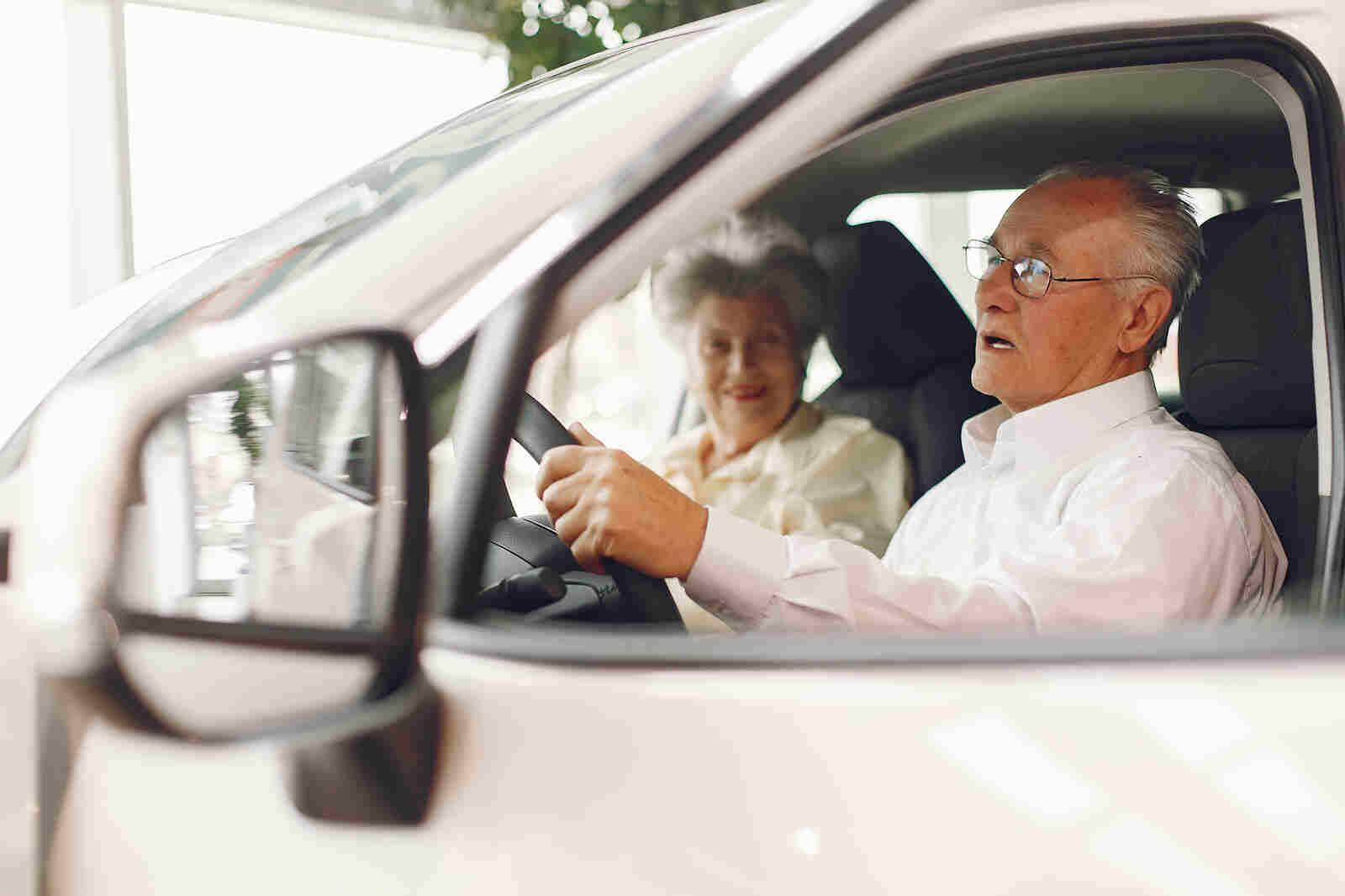
Driving is about more than just getting from point A to point B. For many older adults, it represents independence, spontaneity, and identity. The ability to drive to a doctor’s appointment, pop over to the grocery store, or simply visit a friend without depending on anyone else, matters deeply.
That is exactly why conversations about age and driving tend to feel so loaded. Nobody wants to be the person who “takes away the keys.” But at some point, for many of our aging loved ones and us, that conversation becomes necessary. And approaching it thoughtfully, with the right information, can make all the difference.
Does Getting Older Automatically Mean You Should Stop Driving?
The short answer is no, not automatically. Age alone is not a disqualifier. There are 80-year-olds who drive safely and competently, and there are 65-year-olds who probably should not be behind the wheel. What matters far more than a number on a birthday cake is the individual’s physical condition, cognitive health, and driving performance.
That said, aging does bring changes that can genuinely affect driving ability. Reaction time tends to slow. Vision may become less sharp, especially in low light or at night. Hearing loss can delay awareness of sirens or horns. Joint stiffness can make it harder to turn quickly or brake in an emergency. These are not character flaws. They are biology. And ignoring them is what causes accidents.
The goal here is not to shame anyone or strip away dignity. It is to make sure that the roads are safe and that older adults themselves are not put in danger while trying to preserve their freedom.
What Are the Early Warning Signs That Driving May No Longer Be Safe?
Most families do not suddenly wake up to a problem. The signs tend to be gradual, which makes them easy to explain away or dismiss. But there are some fairly reliable red flags worth paying attention to.
Are There New Dents, Scrapes, or Close Calls?
Minor fender benders that happen in parking lots, scrapes on the garage wall, or frequent near-misses that the driver seems unaware of are early signals. One incident can be a fluke. A pattern is worth taking seriously.
Is the Driver Getting Disoriented in Familiar Places?
Getting lost on a route they have driven for decades, confusing exits on a familiar highway, or arriving somewhere without remembering how they got there are not just “bad days.” They may point to early cognitive decline that directly affects driving judgment.
Are Other Drivers Reacting Negatively?
If passengers regularly feel nervous, friends or family avoid riding along, or other drivers are frequently honking or swerving around the person, those are not coincidences. They are data.
Has the Driver Started Avoiding Certain Routes or Times?
Self-restriction is actually a sign of some awareness. Avoiding highways, refusing to drive at night, or staying off busy roads suggests the person knows something has changed. This can be a natural transition point toward fuller reassessment.
Are Traffic Violations Increasing?
Running stop signs, drifting between lanes, misjudging distances, or struggling to stay within the speed limit are all concrete driving performance issues that go beyond general age-related concern.
What Do Medical Experts Say About When It Is Time to Stop?
The American Academy of Neurology and the American Geriatrics Society both emphasize that driving should be evaluated regularly as part of a senior’s overall health picture. Conditions like Parkinson’s disease, moderate to severe dementia, macular degeneration, uncontrolled epilepsy, and certain medications that cause drowsiness or cognitive impairment are all considered significant driving risk factors.
Physicians are increasingly encouraged to have these conversations with patients rather than waiting for a crisis. In fact, many doctors will perform a formal driving evaluation referral through an occupational therapist who specializes in driver rehabilitation. This is worth requesting if there is concern, because it takes the conversation away from family dynamics and into an objective, clinical framework.
Importantly, medical experts also note that grief around losing driving privileges is real and should be acknowledged. Providing alternatives and emotional support alongside the practical changes matters enormously for mental health and quality of life.
How Do You Have the Conversation Without Damaging Trust?
This is where most families get stuck. The conversation feels confrontational even before it starts. A few principles tend to help.
First, lead with love and specific observation rather than judgment. Instead of saying something like “You are not safe to drive anymore,” try “I noticed last Tuesday you ran the red light at Maple Street and it really scared me. Can we talk about it?” Specific incidents are harder to dismiss than general characterizations.
Second, involve a doctor. When a physician recommends a driving assessment, it carries a different kind of authority than a grown child’s opinion. Many older adults are far more willing to hear this from their doctor than from family.
Third, explore alternatives together rather than delivering a verdict. Focus on maintaining independence in other ways, through ride services, community transport programs for seniors, or rearranging schedules so family members can help. The loss of driving feels less like a cliff when there is a clear path forward.
Finally, do not make it a one-time ultimatum. This is usually a gradual conversation that happens over time. Plant the seed. Revisit it. Let the person process.
How Can a Medical Alert Device Help When Driving Reduces?
When an older adult begins driving less or stops altogether, their world can feel like it is shrinking. Daily routines shift, and so does the safety net that independence once provided. This is exactly where a tool like the Vitalis medical alert monitoring watch becomes genuinely valuable. Vitalis is a wearable health device that pairs with a subscription-based monitoring service, providing real-time support for older adults whether they are at home, in the garden, or out for a walk. With features designed to detect falls, track location, and enable one-touch emergency access to trained responders, the Vitalis watch helps families stay connected to their loved ones without being intrusive. For seniors who are no longer driving and may have fewer touchpoints with the outside world, having a device that actively monitors their wellbeing offers both practical safety and genuine peace of mind. The subscription model means monitoring is continuous and professionally managed, not dependent on a family member being available 24/7. It is not a replacement for human connection, but it is a thoughtful, reliable layer of support during a time when independence is being redefined.
Are There Things an Older Driver Can Do to Drive Safely for Longer?
Yes, and this matters because premature cessation of driving carries its own risks, including social isolation and depression. The goal is not to stop as soon as possible but to stop at the right time.
Regular vision and hearing checks are a good starting point. Keeping prescriptions for glasses current, for instance, can meaningfully improve driving safety. The same goes for hearing aids. Some older adults avoid using them but find that doing so makes them significantly more alert to auditory cues on the road.
Staying physically active helps maintain the reflexes and joint mobility needed for safe driving. Defensive driving courses designed specifically for seniors, offered by organizations like AARP in the United States, can refresh skills and may even qualify drivers for insurance discounts.
It is also worth evaluating medications with a doctor or pharmacist. Many common prescriptions, including certain antihistamines, muscle relaxants, and blood pressure medications, can affect alertness and reaction time in ways that are not always obvious.
Finally, adjusting driving habits by sticking to familiar routes, avoiding peak traffic hours, and not driving at night are sensible, dignity-preserving compromises that extend safe driving time considerably.
What Comes After Driving? How Can Older Adults Stay Independent?
Losing driving privileges does not have to mean losing a full life. It does require planning, creativity, and community. Here are approaches that many families find effective.
Ride-sharing apps like Uber and Lyft are accessible to older adults who are comfortable with smartphones, and many communities offer senior-specific transportation programs that are either free or heavily subsidized. Local Area Agencies on Aging in the United States are a good place to start looking for these resources.
Grocery and pharmacy delivery services have expanded considerably, and many are senior-friendly. Telehealth appointments now make it possible to see a doctor without leaving home for routine consultations.
Some families coordinate schedules to incorporate driving their older relative into their weekly routine. Others look into assisted living communities where transportation is built in. Neither of these has to feel like a loss if framed around connection and care rather than decline.
The transition away from driving is real and it deserves real support. With the right tools, community, and conversations, it can mark the beginning of a different chapter of independence rather than the end of it.
Bottom Line
Age and driving is one of the most emotionally layered topics in family caregiving. It touches on identity, mortality, and the shifting of power in relationships that have existed for decades. But approached with compassion, good information, and the right support systems, it is a conversation that can be had well. The road does not have to end. It just sometimes changes direction.