Did you know that every year, about 1.5 million fractures in the United States are linked to osteoporosis? For many seniors, a single fall — even a minor one — can mean a broken hip, a hospital stay, or months of recovery. If you or someone you love is living with osteoporosis in seniors, the risks are real. But so is the ability to manage them.
This guide will walk you through everything you need to know about osteoporosis — from recognizing warning signs to making your home safer, improving bone health, and using modern tools like remote monitoring to stay protected. Whether you live alone or care for a senior loved one, this article is for you.
What Is Osteoporosis?
Osteoporosis means “porous bones.” It is a condition where bones lose their density and become fragile — like a sponge with too many holes. These weakened bones break far more easily than healthy bones, often from something as simple as a cough, a sneeze, or a gentle bump.
Osteoporosis is often called a “silent disease” because bone loss happens gradually with no pain or obvious symptoms — until a fracture occurs. For seniors, this makes it especially dangerous.
How Common Is Osteoporosis in Seniors in the US?
The percentage of seniors with osteoporosis issues in the US is striking. According to the National Osteoporosis Foundation, approximately 10 million Americans have osteoporosis, and another 44 million have low bone mass — placing them at higher risk. Among adults aged 50 and older, osteoporosis affects:
- 1 in 2 women
- Up to 1 in 4 men
- Adults over 65 at the highest overall risk
Symptoms to Watch For
Because osteoporosis progresses silently, recognizing early warning signs can save lives. Watch for:
- Back pain, especially in the lower or mid-back
- A gradual loss of height (stooping or a curved upper spine)
- A hunched posture (called “dowager’s hump”)
- Bones that break more easily than expected
- Sudden, severe back pain (could signal a spinal fracture)
- Reduced grip strength or difficulty with everyday tasks
If you or a loved one notices any of these signs, speak with a doctor promptly. Early action makes a significant difference.
Causes and Risk Factors
Several factors can increase the risk of osteoporosis in seniors:
- Age: Bone density naturally decreases after age 30, accelerating after 50
- Gender: Women lose bone mass rapidly after menopause due to estrogen decline
- Family history: Genetics play a significant role in bone density
- Low calcium or vitamin D intake over a lifetime
- Sedentary lifestyle: Physical inactivity weakens bones and muscles
- Smoking and excessive alcohol use
- Certain medications, such as long-term corticosteroids
- Medical conditions like rheumatoid arthritis, thyroid disorders, or celiac disease
How Is Osteoporosis Diagnosed?
Your doctor uses a simple, painless test called a DEXA scan (Dual-Energy X-ray Absorptiometry) to measure bone density. Think of it as an X-ray that “reads” how strong your bones are. The result is called a T-score:
- T-score above −1: Normal bone density
- T-score between −1 and −2.5: Low bone mass (osteopenia) — a warning sign
- T-score below −2.5: Osteoporosis
Doctors may also check blood and urine tests to rule out other causes, assess hormone levels, or evaluate calcium and vitamin D levels.
Treatment Options for Osteoporosis in Seniors
Medications
Several FDA-approved medications can slow bone loss and reduce fracture risk:
- Bisphosphonates (e.g., alendronate, risedronate): Most commonly prescribed; slow bone loss
- Denosumab (Prolia): A twice-yearly injection that helps maintain bone density
- Teriparatide or abaloparatide: Stimulate new bone growth for severe cases
- Hormone therapy: Sometimes used in postmenopausal women to protect bones
Always consult your doctor before starting or stopping any medication.
Lifestyle Changes and Nutrition
- Get 1,200 mg of calcium daily (from dairy, leafy greens, fortified foods, or supplements)
- Ensure adequate vitamin D (800–1,000 IU per day); sunlight and supplements help
- Quit smoking and limit alcohol to no more than 1–2 drinks daily
- Maintain a healthy body weight — being underweight increases bone loss risk
Falls in Seniors with Osteoporosis: A Critical Risk
Falls in seniors with osteoporosis are the leading cause of fracture-related hospitalizations. According to the CDC, falls cause over 95% of hip fractures — and a hip fracture can permanently change a senior’s life.
The good news is that most falls are preventable with the right precautions at home:
- Remove loose rugs, clutter, and slippery mats from walkways
- Install grab bars in the bathroom and near stairs
- Use non-slip footwear indoors at all times
- Ensure all areas of the home are well-lit, especially hallways and staircases
- Place commonly used items within easy reach (avoid climbing or bending sharply)
- Consider a bed rail or raised toilet seat for added stability
The Best Exercises for Osteoporosis — Including Step Aerobics
Exercise is one of the most powerful tools for managing osteoporosis. Weight-bearing and resistance exercises stimulate bone formation and strengthen muscles that protect bones. Here are the best options for seniors:
- Walking and hiking: Simple, low-cost, effective weight-bearing activity
- Resistance/strength training: Builds muscle mass to stabilize and protect bones
- Balance exercises (e.g., tai chi, yoga): Reduce fall risk significantly
- Dancing: Fun and effective for both bone density and balance
Is Step Aerobics Good for Osteoporosis?
Step aerobics can be beneficial for bone health because it is a weight-bearing activity that places gentle stress on bones, encouraging density improvement. However, it also carries a fall risk — especially for seniors with balance difficulties or severe osteoporosis.
If you want to try step aerobics, start with a very low step height and always consult your doctor or physiotherapist first. Modified, low-impact step aerobics under professional guidance may be appropriate for many seniors.
Preventive Care: Building a Bone-Healthy Daily Routine
- Eat calcium-rich foods with every meal (yogurt, almonds, broccoli, sardines)
- Spend 15–20 minutes in sunlight daily for natural vitamin D
- Do 30 minutes of weight-bearing exercise at least 3–5 days per week
- Schedule a DEXA scan every 1–2 years after age 65 (or earlier if at risk)
- Review all medications annually with your doctor to check for bone-depleting side effects
- Stay hydrated and maintain a nutritious, balanced diet
- Ask your doctor about fall-risk assessments and balance screenings
| “The most important thing you can do for your bones is to stay active, eat well, and get tested. Osteoporosis is not an inevitable part of aging — it can be prevented and managed.” — National Osteoporosis Foundation |
How Technology Is Changing Osteoporosis Care at Home
Managing osteoporosis used to mean regular doctor visits and hoping for the best between appointments. Today, technology has transformed home-based care. Seniors can now monitor their health continuously — from the comfort of their own homes.
Remote patient monitoring tools track key health data in real time, alert caregivers or medical teams when something changes, and can even detect patterns that predict a fall before it happens.
How Vitalis Helps Seniors with Osteoporosis Stay Safe at Home
Vitalis PHA is a proactive healthcare partner built specifically for seniors who want to live independently — and safely. Here is how Vitalis supports seniors with osteoporosis:
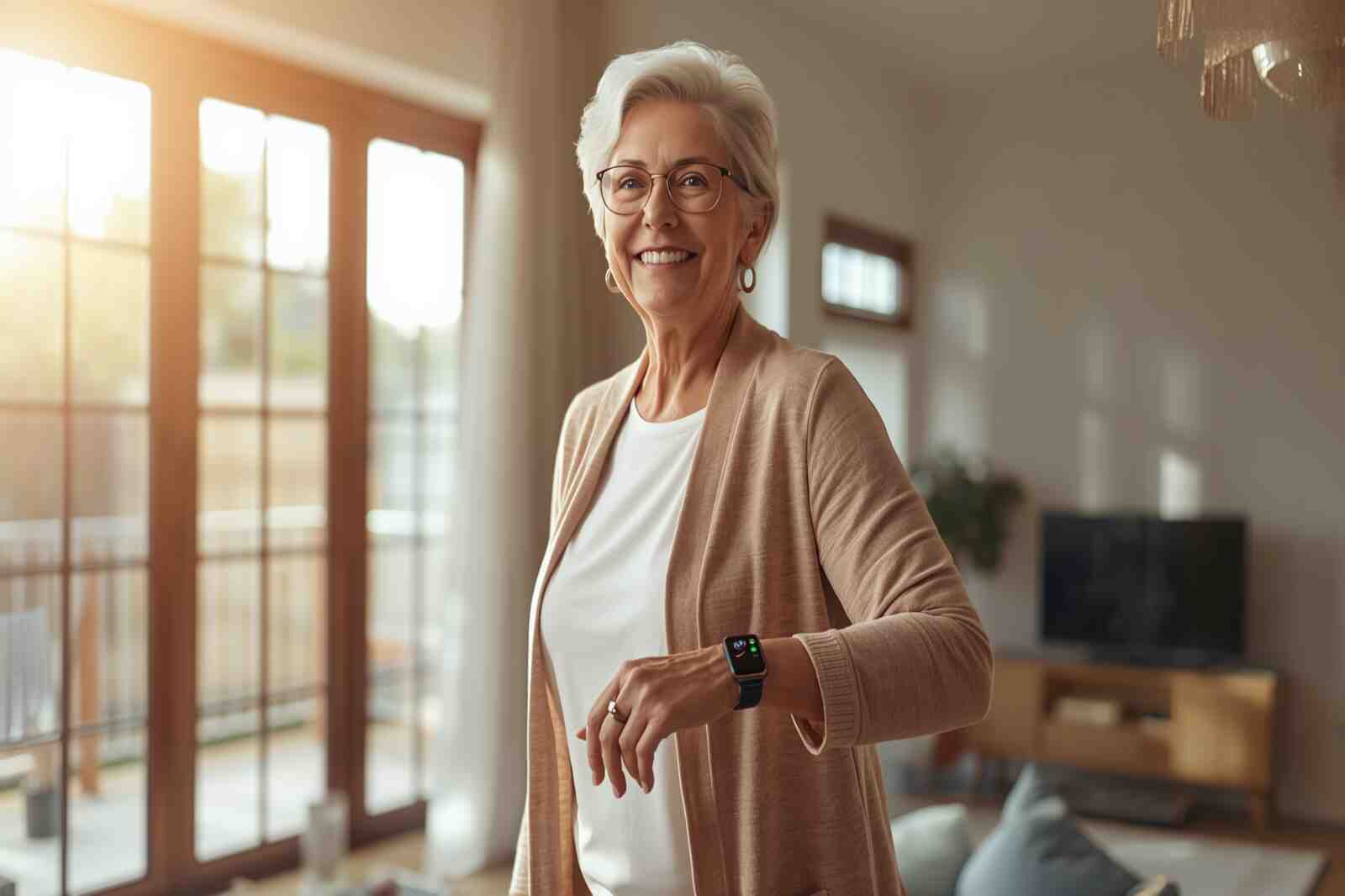
- Medical Alert System: Vitalis provides a wearable watch that works as a personal medical alert device. If a fall occurs, help is summoned immediately — even if the senior cannot call for help themselves.
- Remote Patient Monitoring (RPM): Vitalis continuously tracks health metrics like heart rate, activity levels, and movement patterns. Families and healthcare providers receive real-time updates, so no one is ever truly “alone.”
- AI-Based Fall Detection & Tracking: The Vitalis system uses intelligent algorithms to detect unusual movement or inactivity — alerting caregivers before a small problem becomes a medical emergency.
- Faster Emergency Response: In a fall-related fracture scenario, minutes matter. Vitalis dramatically cuts response times by connecting seniors to emergency services instantly.
- Early Detection Benefits: By tracking trends over time, Vitalis can flag early signs of increased fall risk, fatigue, or reduced activity — allowing for timely medical intervention.
- Flexible Plans: Vitalis offers both monthly and annual subscription plans, making it accessible for a wide range of budgets and care needs.
For a senior living alone with osteoporosis, Vitalis is not just a device — it is peace of mind for the entire family.
| “Falls are the leading cause of fatal and non-fatal injuries among older adults. Most falls can be prevented — and awareness is the first step.” — Centers for Disease Control and Prevention (CDC) |
Frequently Asked Questions (FAQs)
Q: Can osteoporosis be reversed?
Osteoporosis cannot be fully reversed, but bone loss can be slowed and bone density can be improved with the right medication, nutrition, and exercise. Many people significantly reduce their fracture risk with proper treatment.
Q: Is step aerobics good for osteoporosis?
Low-impact step aerobics can be helpful for bone health because it is weight-bearing. However, it carries a risk of falling for seniors with balance issues. Always consult your doctor or physical therapist before starting, and begin with a very low step height.
Q: What percentage of seniors in the US have osteoporosis?
Approximately 10 million Americans have osteoporosis. Among adults 50 and older, 1 in 2 women and up to 1 in 4 men will experience an osteoporosis-related fracture in their lifetime.
Q: How can seniors prevent falls at home with osteoporosis?
Key steps include removing trip hazards, installing grab bars, using non-slip footwear, improving home lighting, and using a medical alert device like Vitalis. Regular balance exercises such as tai chi also help significantly.
Q: How does Vitalis help seniors with osteoporosis?
Vitalis provides a wearable medical alert watch, AI-powered fall detection, and continuous remote monitoring — connecting seniors to help instantly if something goes wrong. Families and caregivers receive real-time updates, offering safety and peace of mind.
Conclusion: You Can Live Safely and Confidently with Osteoporosis
Osteoporosis in seniors is common, but it does not have to be life-limiting. With the right combination of medical treatment, a bone-healthy lifestyle, a safer home environment, and smart monitoring technology, seniors can stay active, independent, and protected.
The key is to act early, stay consistent, and never face it alone — whether that means leaning on a caregiver, your doctor, or a trusted health partner like Vitalis.
| Take Control of Your Safety Today Don’t wait for a fall to take action. Schedule a consultation with Vitalis and get personalized remote monitoring support built for seniors with osteoporosis. Schedule Your Free Consultation at vitalis-pha.com |
| Medical Disclaimer This content is for informational purposes only and does not replace professional medical advice, diagnosis, or treatment. Always consult a qualified healthcare provider for personalized medical guidance. |