Managing diabetes has always required attention, discipline, and constant awareness. But 2026 marks a turning point, especially for seniors. Continuous glucose monitoring at home is becoming the new standard, powered by improved technology, broader insurance coverage, and devices specifically designed for older adults.
For seniors who struggle with finger pricks, fluctuating glucose levels, or remembering when to test, the newest generation of CGMs offers something extraordinary: simplicity, comfort, and real-time clarity.
This article breaks down how CGM works, what’s new in 2026, why access is expanding, and how senior-friendly devices like Vitalis are changing daily diabetes care.
The Rise of At-Home CGM
Ten years ago, CGM was mostly reserved for younger diabetics, tech-savvy patients, or those with severe glucose instability. But by 2026, at-home diabetes monitoring has scaled dramatically, driven by:
- More user-friendly sensors
- Lower costs
- Better Medicare coverage
- Increased caregiver involvement
- Real-time remote data sharing with doctors
- Wider acceptance from endocrinologists and primary care providers
For seniors, this shift is monumental. Instead of relying on slow feedback from occasional fingerstick tests, CGM provides live glucose readings 24/7, making daily decisions easier and safer.
It’s no longer just technology; it’s peace of mind.
How CGM Works
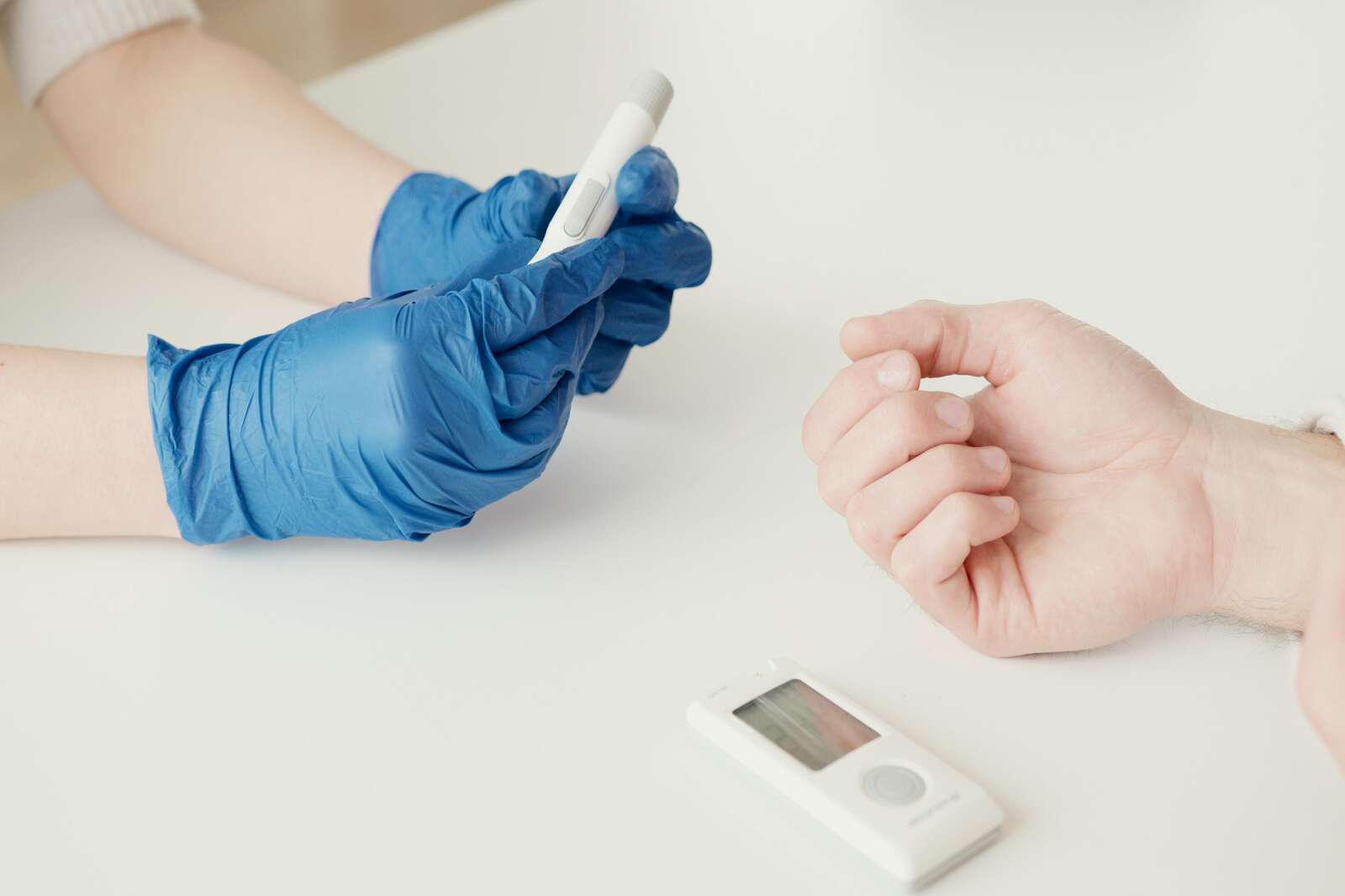
A continuous glucose monitor doesn’t take glucose readings directly from blood the way traditional fingersticks do. Instead, it measures glucose levels in the fluid just beneath the skin, which reflects real-time changes happening inside the body.
This makes the process far more comfortable and consistent, especially for seniors who struggle with daily finger-prick tests. Here’s how CGM works in simple, senior-friendly terms:
- A small sensor, roughly the size of a penny, is placed on the back of the arm or abdomen. Once applied, it stays in place for days or even weeks. The sensor reads interstitial glucose levels every 1–5 minutes, capturing changes that fingersticks often miss.
These automatic checks provide a continuous picture of what the body is doing throughout the day and night.
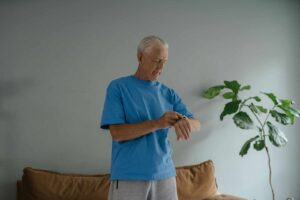
- Readings are then sent instantly to a receiver, smartphone, or glucose monitoring watch, depending on the user’s preference. This means seniors can glance at their wrist or screen and know their glucose level immediately, no needles, no strips, no manual steps.
- Caregivers and healthcare providers can also access these readings through remote monitoring dashboards, allowing them to step in quickly if numbers become concerning.
Most modern CGM systems include trend arrows that show where glucose is heading:
• Is it rising slowly?
• Spiking quickly?
• Dropping into the danger zone?
• Staying stable?
These trends are often more important than the number itself. They help predict dangerous highs or lows before they occur, giving seniors and caregivers time to act, preventing falls, confusion, nighttime emergencies, or hospitalization.
In short, CGM doesn’t just show a number. It shows the story behind the number.
What’s New in CGM Technology for 2026
The 2026 CGM landscape introduces features seniors have been waiting for simpler wear, longer battery life, and device designs that reduce user error.
1. Longer wear sensors
New models last 18–30 days, reducing the hassle of weekly changes.
2. Skin-friendly adhesives
For older adults with fragile skin, irritation has always been a concern. 2026 sensors now use softer, hypoallergenic adhesives that remain secure without pulling on the skin.
3. Glucose monitoring watches
CGM data now displays directly on wrist devices, including the glucose monitoring watch category rising in popularity among seniors who prefer clear, wrist-based alerts.
4. No-fingerprint calibration
Most new CGMs require no finger pricks, even during startup, making them much easier for arthritic hands.
5. Improved accuracy for seniors
2026 models perform better in:
- lower circulation conditions
- overnight readings
- post-meal spikes
- seniors with dehydration risks
These improvements matter because older adults often experience more fluctuating glucose patterns than younger users.
6. Seamless remote monitoring
Doctors and family members can see real-time readings via secure dashboards, aligning CGM with Remote Patient Monitoring systems, especially valuable for caregivers managing complex health conditions.
Greater Access for Seniors in 2026 (Medicare + Insurance Updates)
Until recently, seniors with insulin dependence to qualify for Medicare-covered CGM. In 2026, that barrier will disappear. New guidelines recognize that non-insulin-dependent seniors are still at high risk for dangerous glucose swings, especially those living alone or managing multiple chronic conditions.
As a result, Medicare now supports CGM as a preventive tool, not just a treatment, opening the door for millions of older adults to access continuous monitoring at home.
Medicare’s 2025–2026 expanded coverage now includes:
- Type 2 diabetics not using insulin
- Prediabetic seniors with physician recommendation
- Seniors who’ve had ER visits related to glucose instability
- Adults with neuropathy or vision impairment
- Those who cannot perform fingerstick tests independently
Why coverage is expanding
Lawmakers and insurers finally acknowledge that:
- CGM reduces hospitalizations
- Early data catches severe spikes
- Seniors benefit more from continuous readings than any other age group
- Remote monitoring lowers long-term healthcare costs
As a result, CGM is now accessible to millions more seniors—even those on fixed incomes.
Benefits of Continuous Monitoring vs. Finger Pricks
Fingerstick testing only offers single moments in time. CGM shows the full picture. Instead of guessing what happens between tests, seniors and caregivers can finally see every rise, drop, and trend as it unfolds in real time.
1. Better hypoglycemia prevention
Low glucose episodes are dangerous for seniors, leading to falls, confusion, or hospitalization. CGM alerts can prevent these events entirely.
2. Easier medication adjustments
Doctors see daily patterns and adjust medication based on real-world data.
3. More confidence with meals
Seniors often fear post-meal spikes. CGM reveals how meals affect glucose, helping them make smarter choices.
4. Fewer ER visits
Many hospitalizations for glucose emergencies occur because seniors don’t know they are dropping or rising too quickly.
5. Caregiver collaboration
Family members can receive alerts for dangerous glucose swings, especially helpful for seniors who live alone.
6. Improved sleep quality
Nighttime lows are terrifying. CGM wakes seniors or caregivers before danger occurs.
7. Healthier day-to-day routines
Seeing glucose in real time encourages better habits:
- taking walks
- hydration
- medication adherence
- balanced meals
CGM is not just about numbers; it’s about empowerment.
Real Stories: How Seniors Improved Their Health With CGM
1. Preventing Nighttime Lows Before They Turn Dangerous
Age 74 | Lives Alone
For years, Margaret feared going to sleep. Nighttime hypoglycemia had landed her in the ER twice, both times after she didn’t wake up in time to recognize the symptoms. Fingerstick testing couldn’t capture what was happening overnight.
After switching to continuous glucose monitoring at home, her CGM alerted her before her glucose dropped too low. The system also notified her daughter remotely. Since adopting CGM, Margaret hasn’t had a single nighttime emergency, and for the first time in years, she sleeps without fear.
2. Regaining Confidence With Meals
Age 69 | Type 2 Diabetes, Non-Insulin Dependent
Raj avoided many foods because he never knew how his body would respond. Finger-prick tests gave him numbers, but not explanations. He felt anxious after every meal.
With CGM, Raj began seeing real-time trends: how his glucose rose, stabilized, or dropped depending on what he ate and when he walked afterward. Within weeks, he adjusted portions, timed his activity better, and felt confident eating again. His glucose variability dropped, and so did his stress.
3. Peace of Mind for Long-Distance Caregivers
Age 81 | Caregiver Lives in Another State
Helen’s son lived hundreds of miles away and worried constantly about her diabetes management. Phone calls and occasional check-ins weren’t enough: especially after Helen forgot to test her glucose multiple times.
With CGM and remote monitoring, her son could see glucose trends daily and receive alerts if something looked wrong. Instead of worrying, he now checks patterns weekly and only intervenes when needed. Helen keeps her independence, and her family finally has peace of mind.
Vitalis Glucose Monitoring Device: Designed Specifically for Seniors
Vitalis introduced one of the most senior-friendly CGM devices for older adults in 2026, purpose-built to reduce complexity, increase safety, and remove the barriers that often prevent seniors from adopting modern diabetes technology.
Instead of overwhelming dashboards or complicated app setups, Vitalis focuses on clarity, comfort, and continuous support for both seniors and caregivers.
Key features
✔ Painless, long-wear sensor
Designed specifically for sensitive or thinning skin, the sensor uses soft, medical-grade adhesives that stay secure without irritating. Seniors can wear it for days at a time with minimal sensation.
✔ Real-time readings on the wrist
The system pairs directly with the Vitalis Medical Alert Watch, displaying glucose numbers in large, easy-to-read formats. Seniors don’t need a smartphone, an app, or any tech setup, just a glance at their wrist.
✔ Automatic alerts to caregivers
If glucose levels spike or crash, the system instantly notifies designated caregivers. This allows remote family members to respond early, reducing the risk of medical emergencies or nighttime incidents.
✔ Integration with Remote Patient Monitoring systems
Doctors can easily access weekly or monthly glucose trends through the Vitalis care portal. This gives healthcare teams a deeper view of patterns, leading to better medication adjustments and fewer in-person appointments.
✔ No calibration required
The sensor is ready to use right out of the box, no fingerstick calibration needed. This is especially helpful for seniors with arthritis, neuropathy, or limited mobility.
✔ Safe for overnight monitoring
Vitalis offers highly accurate nighttime readings, a critical time when seniors are most vulnerable to severe lows. Quiet alerts help prevent dangerous episodes before they escalate.
✔ Clear, color-coded numbers
Large fonts and high-contrast colors help seniors with vision changes read glucose levels quickly and confidently. The display is designed to reduce confusion and improve understanding.
Vitalis makes CGM accessible, simple, and empowering, not just a device, but a full safety and support system that adapts to the realities of aging.
Why 2026 Is the Best Time for Seniors to Adopt CGM
For older adults, diabetes management has never been easier or safer. With improved technology, expanded Medicare coverage, and devices tailored for aging bodies, continuous glucose monitoring at home is now one of the most powerful tools in senior health.
Actionable tips for seniors and caregivers
- Talk to your doctor about 2026 Medicare changes
- Pair CGM with Remote Patient Monitoring for full visibility
- Use a Medical Alert Watch for emergency backup
- Track patterns weekly, not just daily
- Encourage seniors to share readings with caregivers
In 2026, CGM isn’t just convenient; it’s life-changing.