
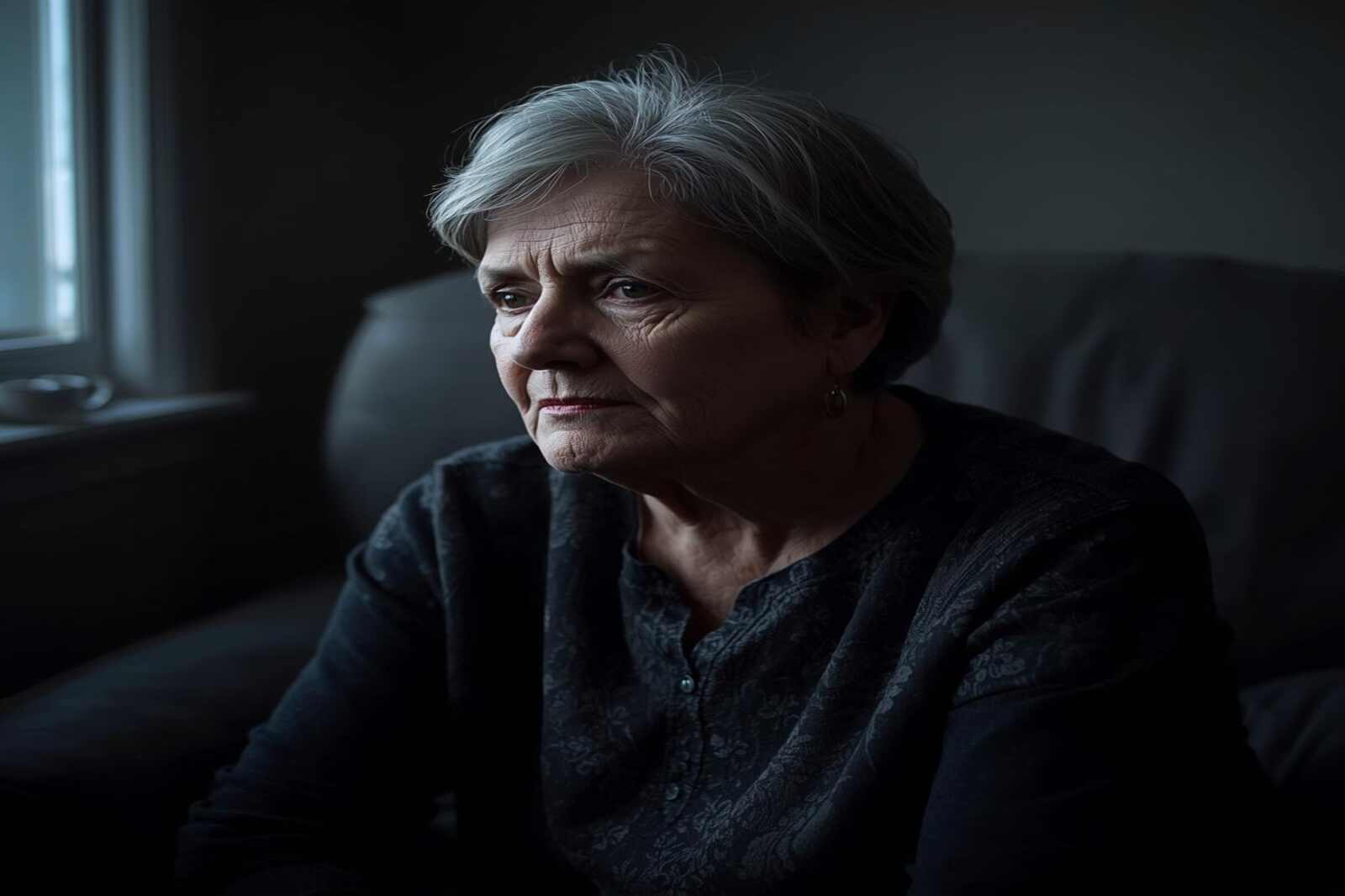
Depression in older adults remains one of the most underdiagnosed and undertreated mental health conditions, affecting approximately 7 million Americans aged 65 and older. Yet despite its prevalence, late-life depression often goes unrecognized because many people mistakenly believe that feeling depressed is simply a normal part of aging. Nothing could be further from the truth.
As our loved ones grow older, distinguishing between the natural changes that come with aging and the warning signs of clinical depression becomes crucial. Depression in seniors doesn’t just affect mood; it impacts physical health, cognitive function, and overall quality of life. Research shows that older adults with depression have higher rates of cardiac disease, stroke, and mortality compared to their non-depressed peers. Understanding the signs can literally be lifesaving.
Why Depression in Seniors Looks Different
Depression doesn’t present the same way in older adults as it does in younger populations. While a younger person might openly express feelings of sadness or worthlessness, seniors often manifest depression through physical complaints, cognitive changes, or behavioral shifts that can easily be attributed to other causes.
This phenomenon, sometimes called “masked depression,” makes diagnosis particularly challenging. An elderly person might visit their doctor repeatedly for aches, pains, or digestive issues without mentioning emotional distress. They may not even recognize their symptoms as depression, especially if they’ve never experienced it before.
The statistics paint a sobering picture. According to the Centers for Disease Control and Prevention, depression affects about 1-5% of community-dwelling older adults. Still, that number jumps to 13.5% for those who require home healthcare and reaches nearly 12% among hospitalized elderly patients. These figures likely underestimate the true prevalence, as many cases go unreported.
Physical Warning Signs
One of the most distinctive features of depression in seniors is the prominence of somatic symptoms—physical complaints without clear medical causes. These may include:
Chronic pain and unexplained aches: Seniors with depression frequently report persistent back pain, headaches, or joint discomfort that doesn’t respond well to typical treatments. The relationship between depression and pain is bidirectional, with each condition exacerbating the other.
Changes in appetite and weight: Significant weight loss or gain over a short period can signal depression. Some older adults lose interest in eating, while others may turn to food for comfort. Studies indicate that malnutrition affects up to 16% of community-dwelling older adults, and depression is a significant contributing factor.
Sleep disturbances: While sleep patterns naturally change with age, depression-related sleep problems go beyond occasional restlessness. Seniors may experience insomnia, with difficulty falling asleep or staying asleep, or conversely, they might sleep excessively (hypersomnia) and still feel fatigued. Research shows that up to 50% of older adults report sleep complaints, with depression being a major underlying cause.
Fatigue and reduced energy: Persistent exhaustion that doesn’t improve with rest can indicate depression. This isn’t the typical tiredness that comes from physical activity; it’s a profound lack of energy that makes even simple tasks feel overwhelming.
Psychomotor changes: Depression can manifest as either agitation (restlessness, inability to sit still, hand-wringing) or retardation (slowed movements, speech, and thinking processes). These changes are observable to others and represent a shift from the person’s baseline functioning.
Emotional and Cognitive Signs
While seniors may not verbalize feelings of sadness, emotional and cognitive symptoms still present themselves in recognizable patterns:
Persistent sadness or emptiness: Although some older adults minimize or deny sadness, family members often notice a change in demeanor. The person may seem withdrawn, tearful, or generally downcast more often than not.
Loss of interest in previously enjoyed activities: When someone who loved gardening, playing cards with friends, or attending religious services suddenly abandons these activities without explanation, depression should be considered. This symptom, called anhedonia, is one of the hallmark features of major depressive disorder.
Feelings of worthlessness or excessive guilt: Seniors with depression may dwell on past mistakes, express feeling like a burden to their families, or believe they have no value anymore. These thoughts can become consuming and are often irrational when viewed objectively.
Difficulty concentrating and making decisions: Depression affects cognitive functioning, making it hard to focus, remember information, or make even simple decisions. This can be mistaken for dementia, leading to misdiagnosis. However, depression-related cognitive impairment, sometimes called “pseudodementia,” often improves with treatment.
Irritability and mood swings: Rather than appearing sad, some depressed seniors become noticeably more irritable, impatient, or quick to anger. They may snap at caregivers or family members over minor issues.
Behavioral Changes and Social Withdrawal
How a person interacts with their world often reveals depression more clearly than what they say:
Social isolation: Withdrawing from family, friends, and social activities represents a red flag. An estimated 24% of community-dwelling older adults are considered socially isolated, and depression both contributes to and results from this isolation.
Neglecting personal care: Depression can manifest as poor hygiene, wearing the same clothes repeatedly, or neglecting medical appointments and medications. When someone who previously took pride in their appearance begins to let themselves go, depression should be explored.
Increased alcohol or medication use: Some seniors attempt to self-medicate depression through increased alcohol consumption or misuse of prescription medications. Substance abuse affects approximately 1 million Americans aged 65 and older, with depression being a common co-occurring condition.
Serious Warning Signs: Thoughts of Death or Suicide
The most concerning aspect of late-life depression is the elevated risk of suicide. Adults aged 85 and older have the highest suicide rate of any age group in the United States, with a rate of 21.1 per 100,000 compared to the national average of 14.2 per 100,000. White males over 85 face a particularly high risk.
Warning signs include:
- Talking about death, dying, or suicide
- Giving away prized possessions
- Putting affairs in order or updating wills suddenly
- Expressing feelings of hopelessness or being trapped
- Increased isolation or saying goodbye to people
- Stockpiling medications
Any indication that a senior is considering self-harm requires immediate professional intervention.
Risk Factors for Depression in Older Adults
Understanding what increases vulnerability to depression helps with early identification:
Medical conditions: Chronic illnesses like heart disease, stroke, cancer, diabetes, and Parkinson’s disease significantly increase depression risk. Research indicates that 27% of stroke patients experience depression, while up to 40% of Parkinson’s patients develop depressive symptoms.
Medications: Certain drugs, including some blood pressure medications, corticosteroids, and benzodiazepines, can trigger or worsen depression as a side effect.
Life transitions and losses: Retirement, death of a spouse or friends, relocation to assisted living, and loss of independence through illness or disability all represent major stressors that can precipitate depression.
Neurological changes: Vascular changes in the brain, common in older adults, can contribute to what’s known as vascular depression, characterized by executive dysfunction and apathy.
Lack of social support: Isolation and loneliness dramatically increase depression risk. The COVID-19 pandemic highlighted this, with studies showing a 25% increase in anxiety and depression globally, particularly affecting older adults who faced extended isolation.
The Importance of Professional Diagnosis
Given the complexity of diagnosing depression in seniors, professional evaluation is essential. Primary care physicians, geriatric psychiatrists, and geriatric psychologists use standardized assessment tools like the Geriatric Depression Scale to screen for depression while accounting for age-specific presentation patterns.
Depression in older adults is highly treatable through psychotherapy (particularly cognitive-behavioral therapy), antidepressant medications, or a combination of both. Treatment success rates are comparable to those in younger adults, with studies showing that 60-80% of older adults respond positively to treatment when it’s appropriately prescribed and monitored.
Supporting Independent Living with Technology
For seniors managing depression or those at risk, maintaining independence while ensuring safety becomes a delicate balance. Modern technology offers solutions that provide peace of mind for both seniors and their families.
Vitalis medical alert monitoring through smartwatch technology represents an innovative approach to supporting independent living. Unlike traditional medical alert systems that require wearers to consciously press a button during emergencies, smartwatch monitoring offers continuous, passive protection that’s particularly valuable for seniors dealing with depression.
Depression can slow reaction times, impair judgment, and in severe cases, lead to self-harm. A medical alert smartwatch provides 24/7 monitoring with features like fall detection, medication reminders, and immediate access to emergency services. For seniors experiencing the fatigue and cognitive changes associated with depression, these automated features ensure help is available even when they might not have the energy or clarity to seek it themselves.
The psychological benefit shouldn’t be underestimated either. Knowing that help is always accessible can reduce anxiety about living alone, potentially alleviating one factor that contributes to or worsens depression. Family members also experience reduced stress, knowing their loved one has reliable monitoring that doesn’t require them to remember to charge devices or carry separate alert buttons.
For seniors working through depression treatment, the ability to maintain independence in their own homes rather than moving to more restrictive care settings can significantly support recovery. The Vitalis smartwatch monitoring subscription offers that balance—independence with a safety net—allowing seniors to age in place while family members maintain connection and peace of mind.
Moving Forward with Awareness and Action
Depression in seniors is neither inevitable nor untreatable. By recognizing the often subtle signs and understanding how depression presents differently in older adults, we can ensure our loved ones receive the support and treatment they deserve. Combined with modern solutions like medical alert monitoring that support both safety and independence, seniors can continue living fulfilling lives while managing their mental health effectively.
If you recognize these signs in an older adult you care about, don’t wait. Reach out to their healthcare provider, start a compassionate conversation, and remember that with proper support, the golden years can truly shine again.