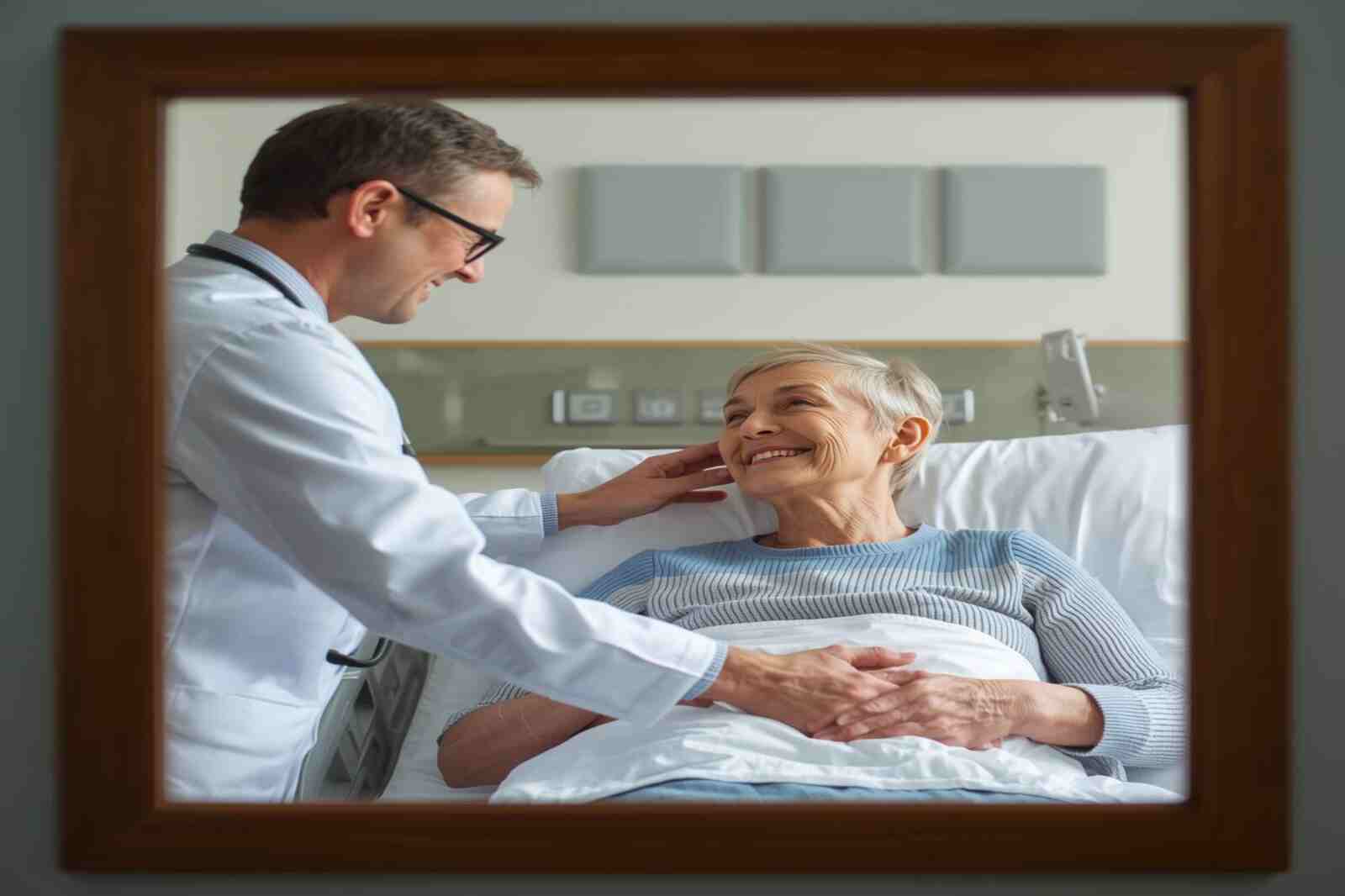
As we navigate through 2026, the landscape of senior healthcare is undergoing a remarkable transformation. No longer are seniors waiting until health problems become critical—instead, they’re taking charge with preventive health management strategies that catch issues before they become serious. This shift from reactive to proactive healthcare isn’t just changing outcomes; it’s changing lives.
The statistics speak for themselves. According to recent healthcare data, preventive care can reduce hospitalizations by up to 30% and significantly decrease the overall cost of treatment. For seniors, who often juggle multiple chronic conditions, this approach offers something invaluable: peace of mind, better quality of life, and the ability to maintain independence longer.
Understanding Preventive Health Management
Preventive health management is fundamentally about detection and action. Rather than waiting for symptoms to emerge, this approach focuses on identifying potential health risks early and taking informed steps to prevent them from developing into serious conditions. Think of it as health maintenance rather than health crisis management.
For seniors, this means regular monitoring of vital signs, early screening for common age-related diseases like hypertension, diabetes, and heart disease, and receiving personalized recommendations based on individual health profiles. Modern preventive health management combines traditional medical wisdom with cutting-edge technology to provide comprehensive oversight of a senior’s well-being.
The beauty of this approach lies in its simplicity and effectiveness. Instead of seniors making quarterly doctor visits and hoping nothing serious has developed, continuous monitoring systems provide real-time insights into their health status. This constant vigilance means potential problems are caught at the earliest, most treatable stages.
The Technology Revolution in Senior Care
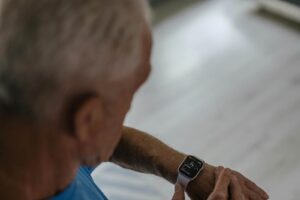
One of the most exciting developments in preventive health management is the integration of artificial intelligence and wearable technology. Smart watches and monitoring devices can now track heart rate variability, blood pressure, oxygen levels, sleep patterns, and even detect falls—all in real-time. This data is analyzed by advanced algorithms that can identify patterns humans might miss.
Companies like Vitalis are leading this charge with AI-driven preventive health management systems that analyze health indicators continuously and provide tools to detect risks before they escalate. These systems don’t just collect data—they translate it into actionable insights that seniors and their healthcare providers can use to make informed decisions about treatment and lifestyle modifications.
The integration of these wearable devices with mobile apps and cloud-based systems means seniors can receive alerts about concerning health trends immediately, share data with their physicians instantly, and even consult with healthcare providers without leaving home. For seniors with mobility issues or those living in remote areas, this accessibility is genuinely transformative.
Early Detection: The Key to Better Outcomes
The most compelling advantage of preventive health management is early detection. Consider blood pressure monitoring—hypertension is often called the “silent killer” because many people don’t realize they have it until it causes a stroke or heart attack. With continuous monitoring through blood pressure watches and connected devices, dangerous readings are caught immediately.
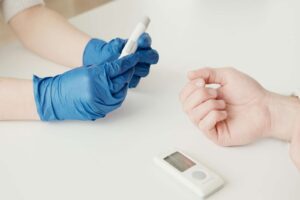
Similarly, seniors with diabetes can benefit from continuous glucose monitoring and AI-powered alerts about dietary and activity patterns that affect their blood sugar levels. Heart disease risk can be assessed through ECG analysis and heart rate variability monitoring. Infections or urinary tract infections, common in seniors and often leading to serious complications, can be identified through other monitored health markers.
This early intervention approach means seniors can work with their doctors to adjust medications, modify their diets, increase physical activity, or seek treatment before a health crisis occurs. Studies consistently show that patients who catch health issues early experience better outcomes, shorter hospital stays, and lower overall healthcare costs.
Reducing Hospital Visits and Healthcare Costs
For seniors and their families, one of the most practical benefits of preventive health management is the reduction in unnecessary hospital visits and expensive emergency room trips. When health issues are managed proactively, acute exacerbations are less likely to occur.
Remote patient monitoring combined with preventive strategies has proven particularly effective. Seniors can submit their vital signs from home, receive real-time feedback, and connect with healthcare providers about concerning trends before they escalate to emergencies. This not only improves health outcomes but also reduces the financial burden on Medicare, insurance companies, and senior families themselves.
Healthcare providers utilizing preventive health management systems report significant reductions in hospital readmissions, particularly among seniors with chronic conditions like heart failure, COPD, and diabetes. These savings translate into better resource allocation within the healthcare system and more sustainable care models for an aging population.
Personalized Healthcare at Scale
Another game-changing aspect of modern preventive health management is personalization. Rather than one-size-fits-all medical advice, seniors now receive recommendations tailored to their unique health profiles, genetic predispositions, lifestyle factors, and specific health conditions.
AI-driven systems analyze individual health data to provide personalized suggestions for diet, exercise, medication timing, and preventive screenings. A senior with a family history of Alzheimer’s might receive different recommendations than someone with a history of cardiovascular disease. Someone managing diabetes receives insights specifically related to blood sugar management, while another senior might receive fall-prevention strategies customized to their mobility challenges.
This personalization extends to medication management as well. Preventive health management systems can monitor medication adherence, identify potential drug interactions, and alert seniors and their providers to any concerning side effects. For seniors taking multiple medications—often a challenge in this population—this oversight is invaluable.
Empowering Seniors with Information and Control
Perhaps one of the most underappreciated benefits of preventive health management is the psychological empowerment it provides. Seniors who have continuous insight into their health status and receive actionable recommendations feel more in control of their well-being. They’re not passive recipients of medical care but active participants in their health journey.
This engagement typically leads to better health outcomes. Seniors who understand their health metrics and the reasons behind their doctors’ recommendations tend to follow treatment plans more consistently and make healthier lifestyle choices. They’re motivated by seeing real improvements in their monitored health indicators.
Furthermore, seniors and their adult children can share health data securely through dedicated apps and dashboards. This transparency provides peace of mind for family members and enables everyone involved in a senior’s care to work together toward common health goals. Adult children can monitor aging parents’ health status without being intrusive, and seniors maintain their independence while having a safety net in place.
The Future of Senior Healthcare Is Here
As we move through 2026 and beyond, preventive health management is becoming the standard of care rather than the exception. Insurance companies increasingly recognize the value and are creating incentive programs for seniors who engage in preventive health monitoring. Medicare is expanding coverage for remote patient monitoring services. Healthcare systems are investing heavily in these technologies because the data clearly demonstrates their effectiveness.
The convergence of wearable technology, artificial intelligence, cloud computing, and a growing understanding of predictive health markers means seniors today have unprecedented access to tools that can extend their healthy years and improve their quality of life.
Making the Transition to Preventive Care
If you’re a senior or a family member wondering whether preventive health management is right for you, the answer is likely yes. The most important steps are to consult with your healthcare provider about your specific needs and risks, explore available monitoring options, and choose a system that fits your comfort level and lifestyle.
Whether you’re someone who wants comprehensive monitoring of all vital signs or prefer a more focused approach to monitoring specific health conditions, there are solutions available. The barrier to entry is lower than ever, with many systems offering user-friendly wearable devices and simple app-based interfaces designed with seniors in mind.
Conclusion
Preventive health management represents a fundamental shift in how we approach senior healthcare. By detecting problems early, empowering seniors with information, reducing unnecessary hospitalizations, and providing personalized care recommendations, this approach is genuinely transforming senior health outcomes.
In 2026 and beyond, the question isn’t whether seniors should engage in preventive health management—it’s how quickly they can access these life-changing tools. For anyone committed to aging well while maintaining independence and quality of life, preventive health management isn’t just recommended; it’s essential. The future of senior care is here, and it’s more empowering than ever before.