
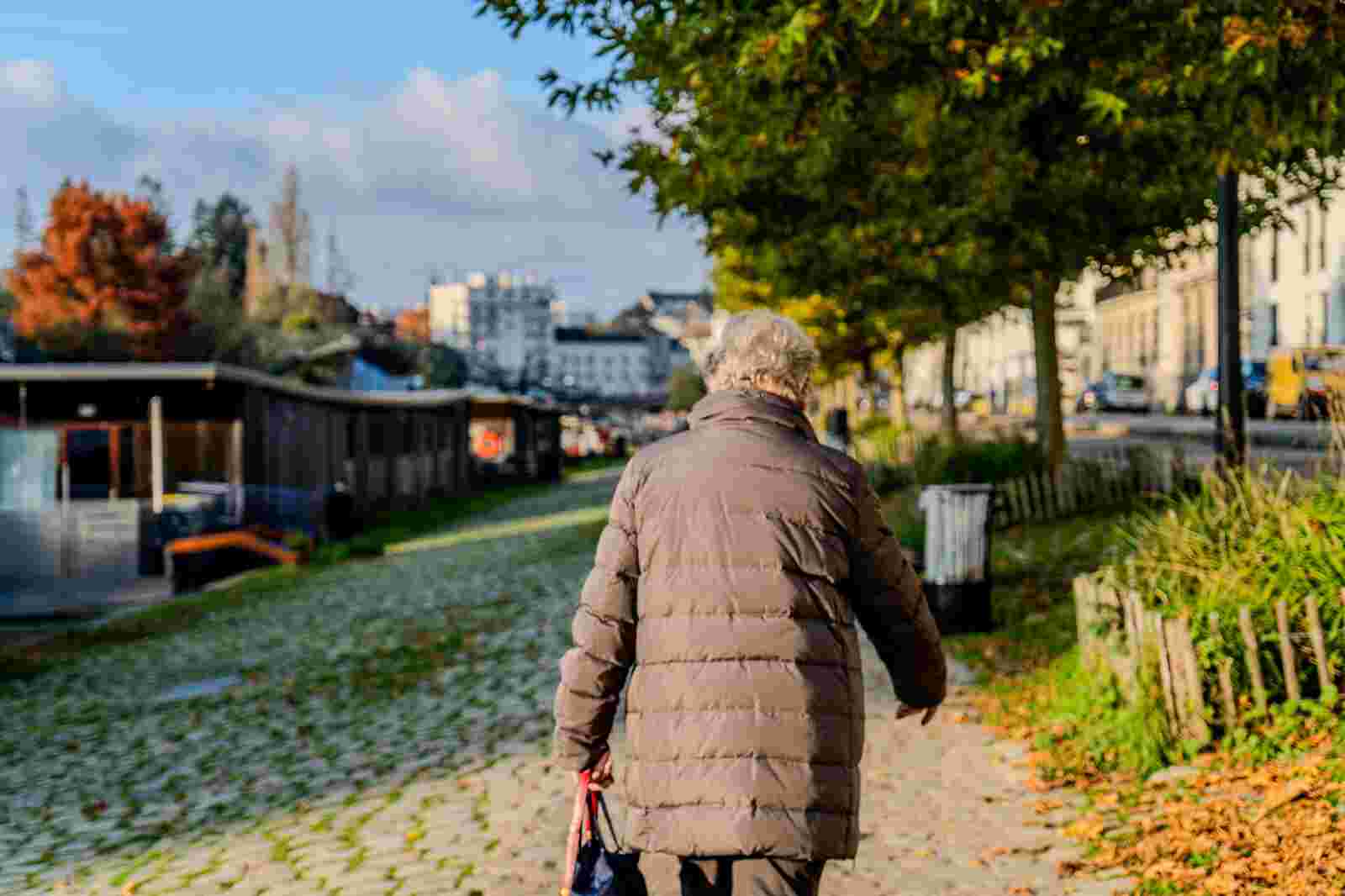
Are you dreaming of a slower pace of life, fresh air, and a community where everyone knows your name — without breaking the bank? You are not alone. Millions of Americans are actively searching for affordable small towns for retirement where they can enjoy their golden years with dignity, comfort, and access to good healthcare.
Here is the good news: the United States is full of charming, budget-friendly towns that offer low cost of living, quality medical facilities, and a tight-knit community spirit. But choosing the right place to retire involves more than scenic beauty. It also means thinking about how you will stay safe, healthy, and independent as you age.
In this guide, we have rounded up 10 of the best affordable small towns to retire in America. We have also included practical tips on aging safely at home — including how modern technology is making independent living for seniors easier and more secure than ever.
Why Small Towns Are Ideal for Retirement
Big cities can be overwhelming and expensive. Small towns offer something different: a sense of belonging, manageable commutes, lower housing costs, and often a surprising number of healthcare resources.
According to the
According to the Centers for Disease Control and Prevention (CDC), nearly 90% of adults over 65 prefer to age in their own home or community — a concept known as “aging in place.” Small towns, with their walkable neighborhoods, lower crime rates, and neighborly culture, make this goal much more achievable.
When evaluating affordable places to retire with good healthcare, consider these key factors:
- Cost of living and median home prices
- Proximity to hospitals, clinics, and specialist care
- Access to senior community programs and activities
- Safety and low crime rates
- Support for aging in place technology and remote health monitoring
10 Affordable Small Towns for Retirement in the US
1. Brevard, North Carolina
Nestled in the Blue Ridge Mountains, Brevard is a dream for nature-loving retirees. With mild summers, stunning waterfalls, and an active arts scene, it offers a rich lifestyle at a modest price.
- Median home price: ~$280,000
- Cost of living: 6% below the national average
- Healthcare: Transylvania Regional Hospital provides solid local care
- Why retirees love it: Walkable downtown, vibrant senior community, abundant outdoor activities
Brevard also scores high on senior safety at home. The town’s community organizations actively support older residents through meal delivery, wellness checks, and transportation services.
2. Hot Springs, Arkansas
Hot Springs blends history, natural thermal baths, and an affordable lifestyle that is hard to beat. It is one of the most talked-about small towns to retire in America for good reason.
- Median home price: ~$165,000
- Cost of living: 15% below the national average
- Healthcare: CHI St. Vincent Hot Springs hospital serves the region
- Why retirees love it: No state income tax on Social Security, warm climate, vibrant arts scene
For seniors managing chronic conditions like arthritis or hypertension, the warm mineral baths offer natural therapeutic benefits alongside their regular medical care.
3. Flagstaff, Arizona
If you prefer cooler temperatures and mountain living, Flagstaff offers a refreshing alternative to the typical Arizona desert. At 7,000 feet elevation, it enjoys four distinct seasons without extreme desert heat.
- Median home price: ~$310,000
- Cost of living: Near the national average — elevated for Arizona but lower than major metros
- Healthcare: Flagstaff Medical Center is a full-service regional hospital
- Why retirees love it: University town feel, cultural activities, strong healthcare infrastructure
Flagstaff is also becoming a leader in retirement towns with healthcare access, with telehealth services expanding rapidly across Northern Arizona.
4. Oxford, Mississippi
Home to Ole Miss and a charming town square, Oxford offers Southern hospitality at a very reasonable price. It consistently appears on lists of best affordable retirement towns in the US.
- Median home price: ~$230,000
- Cost of living: 18% below the national average
- Healthcare: Baptist Memorial Hospital-North Mississippi is a major medical center
- Why retirees love it: Thriving arts and restaurant scene, walkable downtown, university-affiliated medical programs
The university presence means access to cutting-edge medical research and wellness programs often available to community members.
5. Kerrville, Texas
Kerrville sits along the Guadalupe River in the Texas Hill Country — and it has quietly become one of the most popular affordable places to retire with good healthcare in the South.
- Median home price: ~$220,000
- Cost of living: 12% below the national average
- Healthcare: Peterson Regional Medical Center with robust senior services
- Why retirees love it: No state income tax, warm climate, strong veteran and senior support network
Kerrville has a higher-than-average concentration of seniors, which means the community infrastructure is genuinely built around the needs of older adults.
6. Brevard vs. Lake Havasu City, Arizona
6. Lake Havasu City, Arizona
Located on the Colorado River, Lake Havasu City is famous for its sunny weather, water sports, and an energetic retirement community. It is a top pick for active seniors seeking independent living.
- Median home price: ~$290,000
- Cost of living: 4% below the national average
- Healthcare: Havasu Regional Medical Center, with growing specialist services
- Why retirees love it: 300+ sunny days per year, affordable golf and outdoor activities, close-knit senior clubs
For seniors managing cardiovascular health or mobility concerns, the warm, dry climate can ease symptoms significantly.
7. Dahlonega, Georgia
A charming gold rush town in the North Georgia mountains, Dahlonega offers a quiet, scenic environment with a surprisingly low cost of living.
- Median home price: ~$270,000
- Cost of living: 10% below the national average
- Healthcare: Northeast Georgia Medical Center system serves the region
- Why retirees love it: Low property taxes, mild four-season climate, vibrant wine country nearby
Georgia also offers generous tax breaks for seniors, making it one of the more financially attractive states for retirement.
8. Bisbee, Arizona
Once a copper mining town, Bisbee has transformed into a quirky, artist-friendly community that attracts free-spirited retirees on a budget. Its Mediterranean-like climate and colorful history make it unique.
- Median home price: ~$175,000
- Cost of living: 20% below the national average
- Healthcare: Copper Queen Community Hospital; Tucson medical centers are 90 minutes away
- Why retirees love it: Highly affordable, strong arts and social scene, warm winters
While Bisbee’s local healthcare is limited, it pairs well with telehealth and remote patient monitoring services that give seniors access to specialist care without the long drives.
9. Staunton, Virginia
Staunton sits in the Shenandoah Valley and combines colonial history with modern amenities. It is one of the East Coast’s hidden gems for retirement on a budget.
- Median home price: ~$240,000
- Cost of living: 8% below the national average
- Healthcare: Augusta Health hospital, plus proximity to UVA Health in Charlottesville
- Why retirees love it: Charming walkable downtown, vibrant cultural scene, mild four-season climate
Virginia’s robust senior support programs and infrastructure make aging in place here very feasible, especially for those who plan ahead.
10. Sierra Vista, Arizona
Sierra Vista is a military-adjacent town near the Mexican border with outstanding affordability and a growing healthcare system that caters to a large veteran and retiree population.
- Median home price: ~$195,000
- Cost of living: 14% below the national average
- Healthcare: Canyon Vista Medical Center; VA facilities also accessible
- Why retirees love it: Strong sense of community, very affordable housing, active senior programs
Sierra Vista’s mix of veteran and retiree services makes it one of the most supportive environments for aging safely at home in the Southwest.
Aging Safely at Home: What Every Senior Should Know
Choosing the right town is only half the equation. Aging safely at home — wherever you settle — requires proactive planning.
Falls are the leading cause of injury among older adults, according to the CDC’s Fall Prevention resources. But with the right habits and tools in place, most age-related risks are preventable.
Here are the most important areas to address:
Home Safety Modifications
- Install grab bars in bathrooms and near stairs
- Remove trip hazards like loose rugs and cords
- Ensure adequate lighting in hallways and staircases
- Consider a walk-in shower or tub
- Keep essential items at easy-to-reach heights
For a comprehensive checklist, read our guide on senior bathroom safety tips to prevent falls and injuries.
Staying Physically Active
Regular movement is one of the best ways to maintain balance, strength, and bone density as you age.
- Aim for 30 minutes of gentle exercise daily
- Try walking, swimming, yoga, or resistance training
- Join local senior fitness groups for motivation and social connection
Research consistently shows that daily walking offers significant health benefits for seniors, including reduced fall risk and improved cardiovascular health.
Managing Chronic Health Conditions
Many seniors in small towns manage conditions like high blood pressure, diabetes, or osteoporosis. Staying on top of these conditions does not have to mean frequent hospital visits.
Knowing the signs of hypertension in seniors and monitoring vital signs regularly can catch problems before they become emergencies.
Similarly, understanding osteoporosis risks and home management can help seniors maintain bone health and avoid fractures.
How Technology Is Changing the Way Seniors Age at Home
The biggest shift in senior care over the last decade has not happened in hospitals — it has happened at home. Aging in place technology has evolved dramatically, making it possible for older adults to live independently and safely in any town, including rural and small-town settings.
Remote Patient Monitoring
Imagine having a healthcare partner that watches over your health 24/7 — tracking your heart rate, blood oxygen, sleep patterns, and more — without you ever having to leave home. That is exactly what remote health monitoring for seniors now makes possible.
Services like Vitalis Remote Patient Monitoring use wearable technology to continuously track key health metrics and alert care teams or family members when something looks off. This kind of early detection can prevent minor health changes from turning into serious emergencies.
This is especially valuable for seniors living in smaller towns where the nearest specialist might be an hour away. Rather than waiting for symptoms to become severe, remote monitoring lets you and your doctor stay ahead of the curve.
Medical Alert Monitoring
One of the most common fears among seniors — and their families — is the thought of a fall or sudden health event when no one is around. Medical alert monitoring directly addresses that concern.
Vitalis offers wearable medical alert systems that come with a smartwatch-style device you wear throughout the day. If a fall or emergency occurs, the system automatically detects it and connects you with a response team within seconds. No button-pressing required.
For seniors in towns like Bisbee, Sierra Vista, or Dahlonega — where emergency response times may be slightly longer than in major cities — having a medical alert system that provides faster initial response can quite literally be life-saving.
Studies show that emergency response time directly impacts survival rates — making every second count in a health crisis.
AI-Based Health Tracking
AI is no longer just for tech companies. It is now powering everyday senior health tools. AI-based health tracking can identify subtle patterns in your vitals over time — spotting potential issues like irregular heart rhythms or blood pressure spikes before you feel any symptoms.
Learn more about how seniors can track heart health at home and what metrics matter most.
“Aging in place is not just a preference — it’s a public health priority. Providing seniors with the tools and environment to remain safely in their homes reduces hospital admissions and improves quality of life.” — CDC, Healthy Aging Initiative
Frequently Asked Questions
What makes a small town good for retirement?
The best retirement towns combine affordability, a sense of community, access to healthcare, low crime rates, and a supportive environment for aging in place. Proximity to hospitals and availability of senior services are key factors.
Can I age safely at home if I live in a rural small town?
Yes — especially with today’s technology. Remote patient monitoring, medical alert systems, and telehealth services mean you can receive quality care and emergency support from home, even if the nearest hospital is not around the corner.
What is remote patient monitoring and how does it help seniors?
Remote patient monitoring (RPM) uses wearable devices to track your vital signs and health metrics in real time. Your care team receives the data and can alert you to any concerns early. It reduces the need for frequent in-person visits while keeping you closely monitored.
What should I look for in a medical alert system?
Look for a system that offers 24/7 monitoring, fall detection, GPS tracking, and fast response times. Wearable devices that work outside the home — not just in it — give you the most coverage and freedom.
Are there health risks unique to small-town retirement?
The main consideration is distance from specialist healthcare. However, this gap is increasingly bridged by telehealth, remote monitoring, and medical alert systems. Choosing a town with a local hospital and planning ahead with technology can fully address this concern.
“The greatest risk to health in older age is not disease alone — it is isolation, inactivity, and delayed care. Technology and community together can eliminate all three.” — American Geriatrics Society
How Vitalis Supports Seniors Who Choose to Age at Home
Whether you settle in the mountains of North Carolina or the desert of Arizona, Vitalis PHA is designed to be your proactive healthcare partner — no matter where home is.
Vitalis provides:
- Continuous remote health monitoring through wearable technology
- Automatic fall detection and medical alert monitoring with rapid response
- AI-powered health tracking that spots trends before they become problems
- Peace of mind for both seniors and their families
With flexible monthly and annual subscription plans, Vitalis works within most retirement budgets. Think of it as a safety net that travels with you — whether you are on a morning walk in Brevard or relaxing in your Kerrville garden.
Read more about how seniors maintain independence through Vitalis and what a difference continuous monitoring can make.
Conclusion: The Right Town + The Right Support = A Safe, Happy Retirement
Retirement in a small town does not mean giving up on quality healthcare or safety. In fact, the right combination of an affordable community and modern health technology can give you the best of both worlds: a peaceful, connected lifestyle and the reassurance that help is always close.
From the river towns of Texas to the mountain villages of North Carolina and the sunny desert communities of Arizona, there is an affordable small town for retirement out there that fits your lifestyle, your budget, and your health needs.
The key is pairing your perfect location with a plan for aging safely at home — and Vitalis is here to help with that.
Take control of your health today. Schedule a consultation with Vitalis and get personalized remote monitoring support designed specifically for your retirement lifestyle.
Suggested Reads
• Long-Term Care Planning Tips for Seniors and Caregivers
• Senior Strength Training for Fall Prevention
• Caregiving Toolkit: Best Senior Safety Devices
Medical Disclaimer
This content is for informational purposes only and does not replace professional medical advice, diagnosis, or treatment. Always consult a qualified healthcare provider for personalized medical guidance.