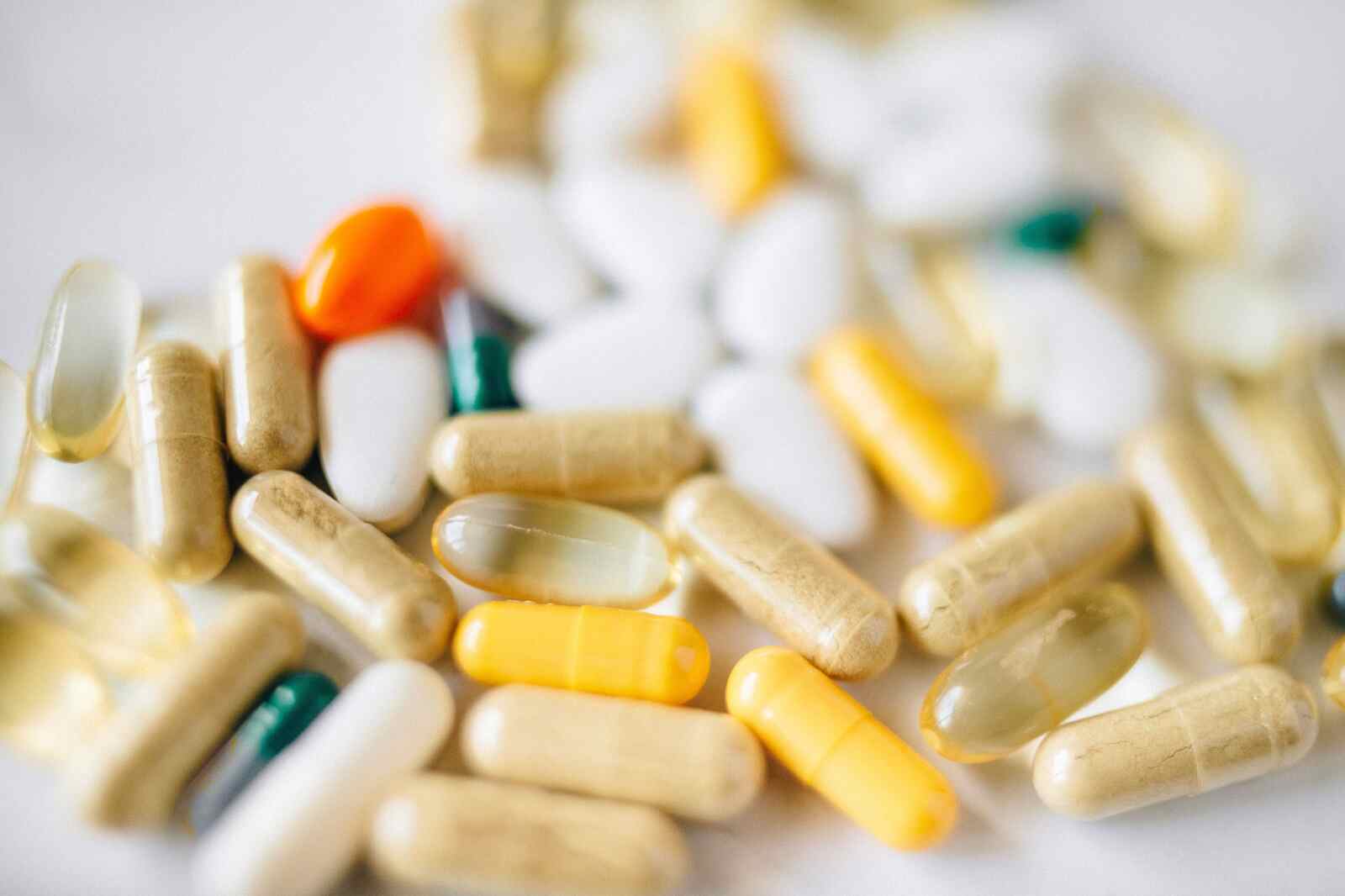
Every year, medication-related problems send more than 177,000 seniors to emergency rooms in the United States alone. For caregivers managing a loved one’s health at home, this number is impossible to ignore. The right medicine can be life-changing — but the wrong one, or even a commonly prescribed drug given at the wrong dose, can become a serious danger.
This guide on dangerous medications for elderly people is written for family members, home health aides, and anyone who supports a senior’s care. You will learn which drug categories carry the highest risk, why older adults react to medicines differently, and how modern monitoring technology can help you catch warning signs early.
Understanding drug risks is not about creating fear. It is about making safer decisions together with your loved one’s doctor.
Why Medications Affect Older Adults Differently
Aging changes the body in ways that directly affect how drugs are processed. Kidney and liver function slow down, which means medicines stay in the system longer. Body fat increases while muscle mass decreases, altering how drugs are stored and released. And many seniors take multiple medications at once — a situation called polypharmacy — which dramatically raises the risk of dangerous drug interactions.
According to the American Geriatrics Society (AGS), the Beers Criteria — a widely used reference for clinicians and caregivers — identifies specific medications to avoid in elderly patients because of their higher risk of side effects, falls, confusion, and hospitalization.
For caregivers, the Beers list medications to avoid in elderly patients is a valuable starting point. But awareness alone is not enough. Consistent monitoring at home is just as important.
The 10 Most Dangerous Medication Categories for Seniors
Below are the drug classes that pose the highest risk for elderly people, based on clinical evidence and the Beers Criteria. Note: This list is educational. Always consult a doctor or pharmacist before making any changes to a loved one’s prescriptions.
1. Sedatives and Sleeping Pills (Benzodiazepines)
These are among the most commonly prescribed and most dangerous medications for elderly people. They are used to treat anxiety, insomnia, and seizures, but in seniors they carry a much higher risk.
- Cause drowsiness, confusion, and memory problems
- Significantly increase fall risk — a leading cause of injury in seniors
- Can cause dependence when used long-term
- Effects last much longer in older adults due to slower metabolism
Caregivers should watch for: Unusual sleepiness during the day, unsteady walking, slurred speech, or sudden confusion.
2. Anticholinergic Drugs
This is a broad class of medications used for bladder control, allergies, depression, and motion sickness. Many common over-the-counter drugs fall into this category.
- Block a key brain chemical that supports memory and muscle control
- Can cause dry mouth, blurred vision, urinary retention, and constipation
- Linked to cognitive decline and increased dementia risk with prolonged use
Caregivers should watch for: Sudden confusion, memory lapses, difficulty urinating, or worsening balance.
3. Opioid Pain Relievers
Opioids are prescribed for moderate to severe pain, but they come with serious risks for older adults, especially when used at home without supervision.
- Slow breathing — even standard doses can cause respiratory depression in seniors
- Increase fall risk due to dizziness and sedation
- Cause constipation, which can become severe and lead to complications
- Potential for dependence and addiction
Caregivers should watch for: Extreme sleepiness, slow or shallow breathing, dizziness when standing, or signs of constipation.
4. Blood Thinners (Anticoagulants)
Blood thinners reduce the risk of blood clots and stroke. They are essential for many seniors, but they require careful monitoring because the margin between a helpful and a harmful dose is narrow.
- Minor injuries can become serious bleeding events
- Interact with many common foods, vitamins, and other medications
- Require regular blood tests to ensure safe dosing
Caregivers should watch for: Unusual bruising, blood in urine or stool, prolonged bleeding from small cuts, or sudden severe headache.
5. Nonsteroidal Anti-Inflammatory Drugs (NSAIDs)
NSAIDs are widely used for arthritis and joint pain. Many are available over the counter, which makes them easy to overuse without medical supervision.
- Damage the stomach lining and increase risk of gastrointestinal bleeding
- Can worsen heart failure and raise blood pressure
- Reduce kidney function, especially problematic in seniors with existing kidney issues
Caregivers should watch for: Stomach pain, dark or tarry stools, swollen ankles, or decreased urination.
6. Certain Heart Medications (Digoxin and Others)
Some medications used to treat heart failure and irregular heart rhythms have a very narrow therapeutic window, meaning the difference between a helpful dose and a toxic one is small.
- Easy to reach toxic levels, especially with kidney decline common in seniors
- Can cause nausea, vomiting, visual disturbances, and dangerous heart arrhythmias
- Require regular blood tests and monitoring
Caregivers should watch for: Nausea, yellow-green vision, irregular heartbeat, or unusual fatigue.
7. Insulin and Oral Diabetes Medications
Diabetes medications are essential, but they require careful management at home. Hypoglycemia (low blood sugar) is a leading cause of emergency room visits among seniors with diabetes.
- Hypoglycemia can cause confusion, shakiness, loss of consciousness, and falls
- Seniors may not feel the early warning signs of low blood sugar
- Skipped meals or changes in activity level can throw off dosing
Caregivers should watch for: Sudden shakiness, sweating, confusion, pale skin, or unresponsiveness. Always keep a fast sugar source available.
8. Muscle Relaxants
Muscle relaxants are prescribed for back pain, spasms, and musculoskeletal discomfort. Their sedating effects are amplified in older adults.
- Cause confusion, dizziness, and sedation
- Increase fall and fracture risk significantly
- Listed on the Beers Criteria as potentially inappropriate for older adults
Caregivers should watch for: Extreme drowsiness, difficulty standing or walking, or unusual cognitive changes.
9. Certain Antidepressants and Antipsychotics
Some older classes of antidepressants and certain antipsychotic medications carry significant risks for seniors, particularly those with dementia.
- Older antidepressants have strong anticholinergic effects (see #2 above)
- Antipsychotics in seniors with dementia are associated with increased risk of stroke and death
- Can cause dangerous drops in blood pressure when standing (orthostatic hypotension)
Caregivers should watch for: Dizziness when standing, increased confusion, involuntary movements, or worsening mood.
10. Proton Pump Inhibitors (PPIs) — When Overused
PPIs are widely used for acid reflux and stomach ulcers. In the short term, they are generally safe. But long-term overuse, which is common, carries its own set of risks.
- Long-term use linked to magnesium and calcium deficiencies — increasing bone fracture risk
- Associated with kidney disease and nutrient malabsorption
- Often prescribed beyond the period of actual need
Caregivers should watch for: Recurring muscle cramps (low magnesium), unexpected fractures, or frequent infections.
“Older adults are more sensitive to the effects of many drugs and are at risk for adverse drug reactions due to changes in drug metabolism and excretion, reduced renal and hepatic function, and multiple comorbidities.” — National Institute on Aging (NIA) — nia.nih.gov
Drug Interactions Seniors Face at Home
Managing multiple conditions means managing multiple medications. Many seniors take five or more prescriptions daily. This creates a high risk of drug interactions seniors face at home, often without realizing it.
Common dangerous combinations include:
- Blood thinners combined with NSAIDs — greatly increases bleeding risk
- Sedatives combined with opioids — can cause life-threatening respiratory depression
- Diabetes medications combined with certain blood pressure drugs — can mask low blood sugar warning signs
- Antidepressants combined with multiple other medications — can trigger serotonin syndrome
According to the Centers for Disease Control and Prevention (CDC), adverse drug events cause approximately 1.3 million emergency department visits annually in the United States. Seniors account for a disproportionate share of these cases.
A pharmacist review — called a Medication Therapy Management (MTM) review — can identify dangerous combinations. Ask your loved one’s doctor or pharmacist about scheduling one. You can also learn more about how continuous health data helps caregivers stay ahead of medication risks by visiting Vitalis’s guide on caregiver anxiety and medical alert systems.
What Caregivers Should Do Right Now
You do not need a medical degree to make a meaningful difference. Here is a practical action plan:
- Create a complete medication list. Include every prescription, over-the-counter drug, vitamin, and supplement.
- Share the full list at every doctor’s appointment. Never assume each specialist knows what another prescribed.
- Ask about the Beers Criteria. If a newly prescribed medication appears on the Beers list, ask the doctor to explain why it is the best option for your loved one.
- Set up a consistent medication schedule. Use pill organizers or smart dispensers to prevent double-dosing and missed doses.
- Monitor daily. Watch for new symptoms after any medication change. Document and report them to the doctor promptly.
- Request a pharmacist review annually. Ask about scheduling a Medication Therapy Management (MTM) session, often covered by Medicare. Learn more from the NIH’s guidelines on safe medication use in older adults.
How Technology Is Changing Medication Safety for Seniors
Remote monitoring technology has transformed what is possible for families managing a senior’s health from home or at a distance. It no longer requires daily in-person visits to stay on top of changes in your loved one’s condition.
Modern remote patient monitoring (RPM) tools can:
- Track vital signs like blood pressure, heart rate, and oxygen levels continuously
- Alert caregivers and healthcare providers the moment a reading falls outside a safe range
- Identify patterns that may suggest an adverse drug reaction before it becomes a crisis
- Support medication adherence by alerting caregivers when a dose is missed
This is especially important for seniors on blood thinners, heart medications, or diabetes drugs, where subtle changes in vitals can indicate dangerous reactions. You can explore how Vitalis supports ongoing health tracking in the blog Tracking Heart Health at Home: What Seniors Should Monitor.
How Vitalis Helps Caregivers Stay One Step Ahead
Vitalis PHA is a proactive healthcare partner built for seniors and their families. Through its Remote Patient Monitoring (RPM) program and medical alert watch, Vitalis provides continuous visibility into a senior’s health — day and night.
Here is what Vitalis offers specifically for caregiver peace of mind around medication safety:
- Continuous vital sign tracking: Blood pressure, heart rate, oxygen levels, and more are monitored around the clock. A sudden spike or drop — potentially caused by a drug reaction — triggers an immediate alert.
- AI-powered pattern analysis: The Vitalis system identifies trends and flags changes that could indicate an adverse drug event, allowing early intervention before hospitalization.
- Caregiver and family alerts: Designated family members and emergency contacts receive real-time notifications through the mobile app, so no one is left in the dark.
- SOS emergency response: If a senior experiences a sudden event — such as a fall from dizziness caused by a medication — the Vitalis watch sends an automatic SOS call to emergency contacts and response teams.
- Medication adherence support: When integrated with smart dispensers, the Vitalis ecosystem can alert caregivers to missed or late doses, one of the most common and preventable causes of senior hospital visits.
To see how Vitalis fits into a comprehensive caregiving plan, visit the full Caregiving Toolkit: Best Senior Safety Devices resource.
“Remote monitoring has fundamentally changed how we prevent hospitalizations. Patients who use continuous monitoring experience 30–40% fewer emergency visits. That’s not just a statistic — that’s someone’s mother catching a medication problem before it becomes a crisis.” — Rita Patel, RN, MSN, Geriatric Care Coordinator
Frequently Asked Questions
What is the Beers Criteria and should I share it with my loved one’s doctor?
The Beers Criteria is a list developed by the American Geriatrics Society that identifies medications considered high-risk or potentially inappropriate for adults over 65. It is a helpful reference tool. Yes, it is absolutely appropriate to bring it up with a doctor and ask whether any current prescriptions appear on it. A good doctor will welcome the conversation.
How do I know if a new symptom is a drug side effect or something else?
Any new symptom that appears after starting or changing a medication should be reported to the prescribing doctor promptly. Keep a symptom diary with dates, times, and descriptions. Symptoms like sudden confusion, dizziness, unusual bleeding, or changes in heart rate warrant immediate medical attention.
Is it safe for a senior to take multiple medications at the same time?
Taking multiple medications is often necessary and appropriate. The risk increases when no single provider has a full picture of everything being taken, or when interactions are not checked. A pharmacist review, a complete medication list, and regular communication between all of a senior’s care providers significantly reduce polypharmacy risks.
How can remote monitoring help with medication safety?
Remote monitoring devices track vital signs continuously and alert caregivers to changes that may indicate a drug reaction — such as a sudden blood pressure spike, irregular heart rhythm, or drop in oxygen levels. Wearable systems like the Vitalis medical alert watch go further by combining monitoring with emergency response. Learn more about remote patient monitoring benefits and how they apply to medication safety.
Are over-the-counter medications safe for seniors?
Not always. Many OTC drugs — including common antihistamines, sleep aids, and pain relievers — fall into the high-risk category for elderly people. Always check with a pharmacist or doctor before a senior starts a new OTC product, even one they have taken safely before. Aging changes how the body processes these drugs.
Conclusion
Medication safety is one of the most important and often overlooked aspects of senior care. The drugs that pose the greatest danger are often the ones most commonly prescribed — sedatives, blood thinners, diabetes medications, and NSAIDs. Understanding the risks, watching for warning signs, and building a proactive monitoring routine can prevent a large number of hospitalizations each year.
Caregivers are not expected to do this alone. The right combination of medical guidance, consistent monitoring, and modern technology makes it possible to catch problems early and respond quickly.
Take control of your loved one’s health today. Schedule a consultation with Vitalis and get personalized remote monitoring support designed for seniors at home.
Suggested Reads
- Caregiver Anxiety and Medical Alert Systems
- Tracking Heart Health at Home: What Seniors Should Monitor
- Remote Patient Monitoring Benefits You Need to Know
This content is for informational purposes only and does not replace professional medical advice, diagnosis, or treatment. Always consult a qualified healthcare provider for personalized medical guidance.