Every 11 seconds, an older adult is treated in an emergency room for a fall-related injury, according to the Centers for Disease Control and Prevention (CDC). For many seniors and their families, the real fear is not the fall itself — it is the thought of lying on the floor, alone, unable to call for help.
This guide will help you understand the cost of medical alert systems, what you actually get for your money, and whether the investment is worth it. By the end, you will know exactly what to look for — and why more families are choosing smart, affordable solutions.
What Is a Medical Alert System?
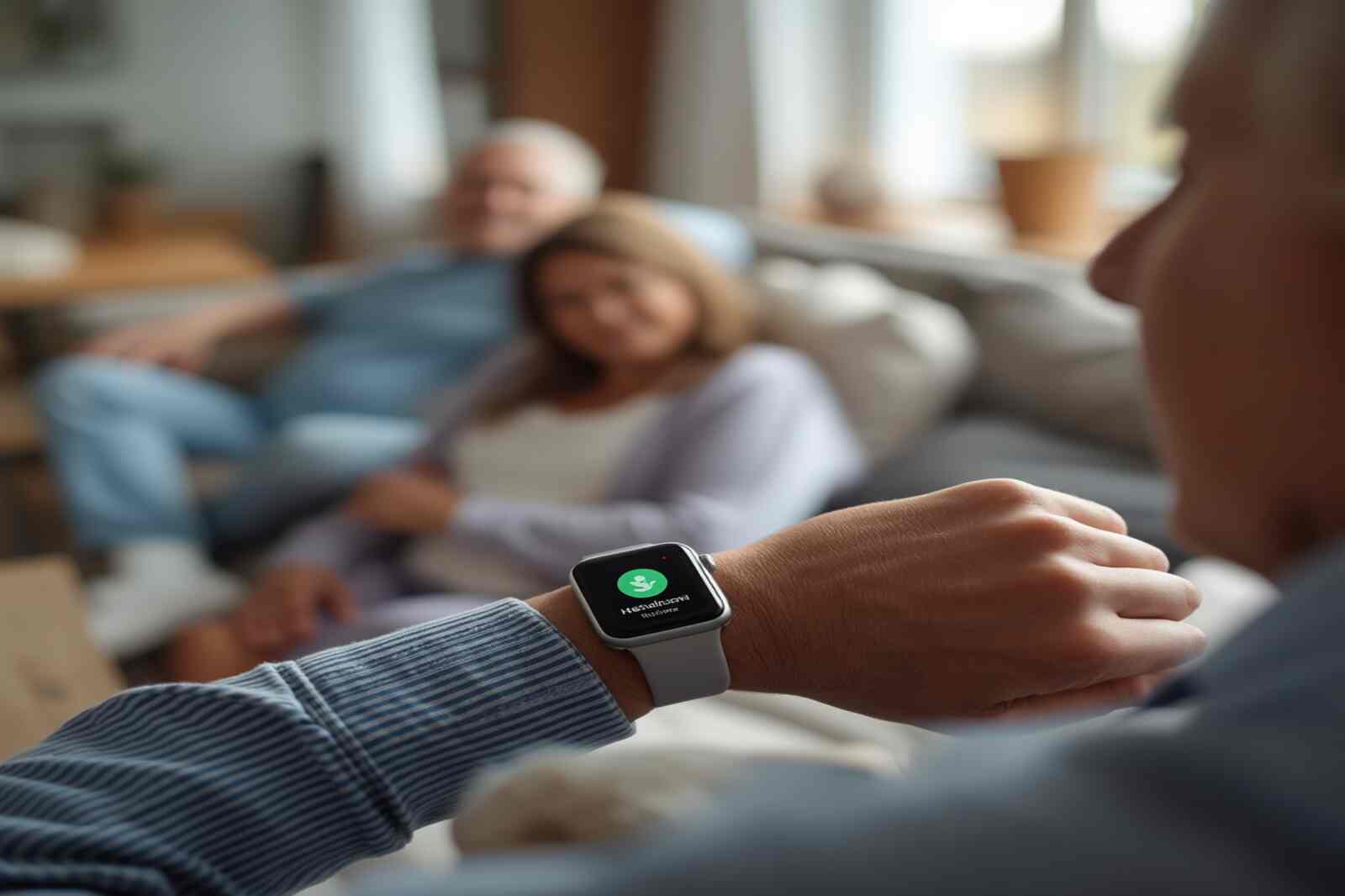
A medical alert system is a device that connects a person — usually a senior or someone with a health condition — to emergency help at the press of a button. Some systems are worn as a wristband or pendant. Others come as a smartwatch with built-in health sensors.
Modern systems do much more than just send an SOS. They can:
- Detect falls automatically
- Monitor heart rate, blood pressure, and oxygen levels
- Track GPS location in real time
- Send health alerts to family members or caregivers
- Connect to 24/7 emergency response centers
Want to know more about how these devices work day-to-day? Read our guide on wearable medical alert vs. home system to compare your options.
How Much Do Medical Alert Systems Cost?
This is the question most families ask first. The honest answer: it depends on the features, the brand, and the type of monitoring. Here is a general breakdown of the average cost of medical alert systems in the market today.
One-Time Equipment Cost
Most medical alert devices range from $30 to $200 upfront. Basic home-based units tend to be cheaper. Wearable smartwatch-style devices with more features typically cost more.
Monthly Subscription Fees
This is where ongoing costs add up. A standard medical alert system subscription cost includes an activation fee and monthly monitoring. Here is what you can typically expect:
- Basic home monitoring: $20–$30 per month
- GPS-enabled wearables: $30–$50 per month
- Advanced remote patient monitoring (RPM): $40–$60+ per month
- Annual plans: Often 10–20% cheaper than month-to-month billing
Some providers also charge a one-time activation fee of $25 to $100. Always ask about this before signing up.
Cost Comparison of Medical Alert Systems
When doing a cost comparison of medical alert systems, look beyond the price tag. Consider:
- What is monitored: Just fall detection, or full vital signs?
- Response time: How fast does the system alert someone?
- Who responds: A live operator, a family member, or both?
- Caregiver access: Can family check in via an app?
- Contract terms: Is there a long-term commitment?
A low-cost system that only does one thing may leave gaps in care. A slightly higher monthly fee for comprehensive monitoring can make a significant difference in outcomes.
Are There Low-Cost Medical Alert Systems That Actually Work?
Yes — and the good news is that low cost does not have to mean low quality. Several providers offer affordable plans without sacrificing the features that matter most.
Here is what a good low-cost medical alert system should still include:
- 24/7 emergency monitoring
- Fall detection capability
- Easy-to-use interface for seniors
- Reliable cellular or Wi-Fi connectivity
- Caregiver notifications
The key is to find a provider that offers transparent pricing with no hidden fees. Learn how technology is helping seniors stay safe at home in our post on remote patient monitoring benefits.
What Factors Drive Up the Cost of Medical Alert Systems?
Understanding what you are paying for helps you make a smarter choice.
Type of Device
Home-based systems (a base station with a wearable button) are usually cheaper. GPS-enabled smartwatch-style devices cost more but work anywhere — at home, on a walk, or on a trip.
Level of Monitoring
Basic systems alert a response center when a button is pressed. Advanced systems use AI and sensors to monitor health data around the clock — even when the user does not press anything.
Response Center Quality
Faster response times save lives. Systems backed by trained, 24/7 operators cost more — but the value in a real emergency is enormous.
Extra Features
Some systems include medication reminders, caregiver apps, GPS tracking, and heart rate monitoring. These add to the monthly cost but significantly improve overall care.
The Real Cost of NOT Having a Medical Alert System
This is the side of the equation most families overlook.
According to the National Council on Aging, falls are the leading cause of fatal and non-fatal injuries in older adults. A single fall that results in a hip fracture can cost between $30,000 and $50,000 in hospital and rehabilitation expenses.
Compare that to a medical alert system subscription at $30–$50 per month — roughly $360–$600 per year. The math speaks for itself.
Beyond finances, the emotional cost of a delayed emergency response is incalculable. Many injuries become life-threatening not because of the incident itself, but because help arrived too late.
Find out more about why response time is so critical in our detailed post on emergency response time and survival rate.
“Falls are the leading cause of injury-related deaths among adults aged 65 and older. Many of these deaths are preventable with timely intervention.” — Centers for Disease Control and Prevention (CDC)
How Technology Is Changing Medical Alert Systems
The old-style medical alert button has come a long way. Today’s devices are smarter, smaller, and more capable than ever.
Modern systems use artificial intelligence (AI) to learn a person’s normal activity patterns. When something changes — like a sudden drop in movement or a spike in heart rate — the system flags it before a full emergency develops.
This shift from reactive to proactive care is one of the biggest breakthroughs in senior health technology. Instead of waiting for something to go wrong, AI-driven systems help catch problems early.
Read about how AI is transforming health tracking in our post on AI-based health monitoring and blood pressure tracking.
How Vitalis Helps
Vitalis PHA takes a comprehensive approach to remote patient monitoring (RPM) and medical alert monitoring. The Vitalis system goes beyond a simple button — it is a proactive health partner.
Here is what Vitalis offers:
- Medical alert smartwatch: Worn comfortably on the wrist, it works at home and on the go
- Continuous monitoring: Heart rate, blood pressure, oxygen levels, and fall detection — all in real time
- AI-based health tracking: Identifies early warning signs before they become emergencies
- Faster response times: Connects to live operators and notifies family members simultaneously
- Caregiver app: Family members can check health data from anywhere
- Flexible plans: Monthly and annual subscription options designed for real-world budgets
With Vitalis, you are not just paying for a device. You are investing in continuous, intelligent care — at a price that makes sense for most families.
“Remote patient monitoring improves outcomes, reduces hospital readmissions, and empowers patients to take control of their own health.” — American Heart Association
Frequently Asked Questions
How much does a medical alert system cost per month?
Most systems range from $20 to $60 per month depending on features. Basic plans with home monitoring are at the lower end. GPS-enabled smartwatch systems with full vital-sign monitoring tend to cost more but offer much greater peace of mind.
Does a medical alert system subscription cost include an activation fee?
It varies by provider. Many companies charge a one-time activation fee between $25 and $100 on top of the monthly rate. Always read the fine print before signing up and ask if the activation fee is waived for annual plans.
Are there low-cost medical alert systems that are reliable?
Yes. The key is to compare what each system actually monitors. A basic fall-detection pendant at $20/month may be a good fit for some. For seniors with chronic conditions or those living alone, a slightly higher-tier plan with continuous health monitoring is worth the extra cost.
What is the average cost of medical alert systems annually?
When you factor in the device, activation fee, and monthly monitoring, most families spend between $400 and $800 per year. Annual subscription plans are usually the most cost-effective option.
Is a medical alert system covered by insurance or Medicare?
Original Medicare (Parts A and B) does not typically cover medical alert systems. However, some Medicare Advantage plans and Medicaid programs may offer partial coverage. Check with your specific plan for details.
Take the Next Step in Protecting Your Loved One
The cost of medical alert systems is a fraction of what a single preventable emergency can cost. More importantly, it is a fraction of the peace of mind it provides — for the person wearing it and for the family watching over them.
Vitalis PHA offers intelligent, affordable monitoring solutions built for seniors who want to live independently and families who want to stay connected.
Take control of your health today. Schedule a consultation with Vitalis and get personalized remote monitoring support tailored to your needs and budget.
👉 Talk to a Vitalis specialist now and find the plan that works for you.
Suggested Reads
- Wearable Medical Alert vs. Home System: Which Is Right for You?
- Fall Detection vs. Medical Alert Button: Understanding the Difference
- Remote Patient Monitoring Benefits You Need to Know
This content is for informational purposes only and does not replace professional medical advice, diagnosis, or treatment. Always consult a qualified healthcare provider for personalized medical guidance.