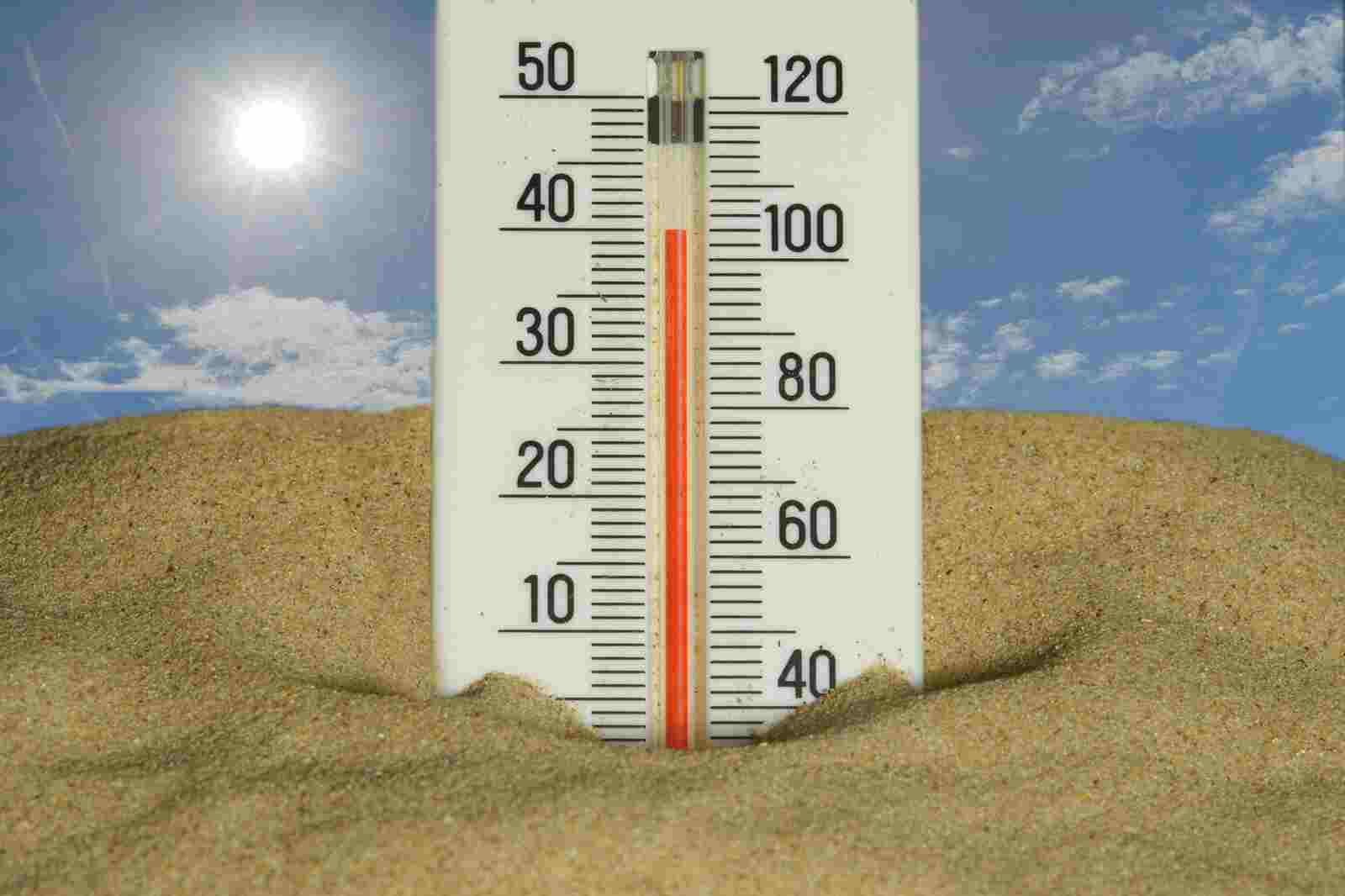
As temperatures climb this July, so does the danger for older adults. Every year, thousands of seniors are hospitalized for heat-related illness, and many cases are preventable. Aging bodies simply don’t regulate temperature the way younger ones do, which makes summer heat waves a genuine health risk rather than just an inconvenience. In this article, you’ll learn exactly what happens inside the body during extreme heat, the warning signs of trouble, and how continuous monitoring can help keep your loved ones safe all summer long.
What Happens to the Body During a Heat Wave?
When temperatures rise, your body works hard to cool itself down — mainly through sweating and increased blood flow to the skin. In older adults, this system doesn’t work as efficiently.
Why it matters: As we age, the body’s ability to sweat decreases, blood vessels don’t dilate as effectively, and many seniors take medications that interfere with temperature regulation. The result is a much higher risk of overheating — and it can happen faster than most people expect.
Signs of Heat Exhaustion in Older Adults to Watch For
Recognizing these early can prevent a trip to the emergency room:
- Heavy sweating or, conversely, unusually dry skin
- Cold, clammy skin
- Rapid or weak pulse
- Dizziness or lightheadedness
- Nausea or vomiting
- Muscle cramps
- Headache
- Confusion or unusual behavior (a red flag for heat stroke)
- Fainting
If confusion, a very high body temperature, or loss of consciousness occurs, this may be heat stroke — a medical emergency requiring immediate care. Our post on recognizing early warning signs in chronic conditions offers more guidance on spotting trouble early.
Causes and Risk Factors
Several factors make seniors especially vulnerable during heat waves:
- Reduced ability to sweat with age
- Chronic conditions like heart disease, diabetes, or kidney disease
- Certain medications — diuretics, blood pressure drugs, and some antihistamines can affect hydration and temperature regulation
- Limited mobility that makes it harder to move to a cooler space
- Living alone, which can delay someone noticing a problem
- Dehydration, which is common in older adults who feel thirst less acutely
Diagnosis: How Doctors Identify Heat-Related Illness
When a senior shows signs of heat-related illness, doctors typically check:
- Body temperature — a core reading is key to distinguishing heat exhaustion from heat stroke
- Blood pressure and heart rate
- Hydration levels, often through blood tests
- Mental status, to check for confusion or disorientation
Quick assessment matters — heat stroke can cause organ damage within minutes if untreated.
Treatment for Heat-Related Illness
- Move to a cool location immediately
- Rehydrate with water or an electrolyte solution
- Cool the body with damp cloths, fans, or a cool bath
- Loosen clothing
- Seek emergency care for confusion, high fever, or loss of consciousness
Preventive Care: Daily Habits for Summer Heat Wave Prevention
- Stay hydrated throughout the day, even without feeling thirsty
- Avoid outdoor activity during peak heat hours (typically 11am–4pm)
- Wear lightweight, breathable clothing
- Use air conditioning or visit a cooling center if home isn’t air-conditioned
- Check in on elderly family members or neighbors daily during heat waves
- Keep a close eye on medications that may increase heat sensitivity — see our guide to home health monitoring devices for tools that help track this
How Technology is Changing Senior Summer Safety
Heat-related illness can escalate quickly, and it doesn’t always look dramatic at first — a little dizziness or fatigue is easy to dismiss until it becomes serious. This is exactly why round-the-clock monitoring has become such a valuable safety net during the hottest months of the year.
How Vitalis Helps
Vitalis combines medical alert systems, remote patient monitoring, and AI-based tracking to give families continuous visibility into a senior’s wellbeing — especially critical during summer heat waves.
With Vitalis, seniors benefit from:
- 24/7 monitoring of vital signs, not just occasional check-ins
- Wearable medical alert devices that allow seniors to call for help instantly, even if they can’t reach a phone
- AI-based tracking that detects unusual patterns, such as elevated heart rate or reduced activity, that could signal heat stress
- Real-time alerts sent to family members or care teams the moment something looks off
To see how this plays out for families managing care from a distance, take a look at our article on how remote monitoring supports seniors living independently.
This translates into real protection during heat wave season:
- Faster response times when a senior needs help
- Continuous monitoring, even when family can’t be physically present
- Early detection of symptoms before they become emergencies
- Improved outcomes and greater peace of mind for the whole family
Frequently Asked Questions
How quickly can heat stroke develop in seniors?
It can happen within minutes to hours, especially in extreme heat combined with dehydration or certain medications.
What’s the difference between heat exhaustion and heat stroke?
Heat exhaustion involves heavy sweating, weakness, and dizziness. Heat stroke is more severe — marked by confusion, a very high body temperature, and can be life-threatening without immediate treatment.
Should seniors avoid air conditioning to save on bills?
No, access to cooling is one of the most important protective factors during a heat wave. Many areas offer cooling centers for those without home AC.
Can medications make heat risk worse?
Yes. Diuretics, beta-blockers, and some other common medications can affect how the body handles heat. Always check with a doctor about specific risks.
How can I monitor an elderly parent who lives alone during a heat wave?
Daily check-ins, hydration reminders, and continuous monitoring devices like those from Vitalis can help catch problems early, even from a distance.
What the Experts Say
The CDC has consistently emphasized that older adults face a disproportionately higher risk of heat-related death, largely due to slower physiological adaptation to rising temperatures (CDC – Extreme Heat).
The World Health Organization similarly notes that heat waves are becoming more frequent and intense, making early recognition of heat-related illness in vulnerable populations increasingly important (WHO – Heat and Health).
Conclusion
Summer heat waves pose a real and growing risk for older adults, but with the right precautions and continuous monitoring, families can catch problems early and act fast. You don’t have to wait for a crisis to know something’s wrong.
Take control of your family’s summer safety today. Schedule a consultation with Vitalis and get 24/7 monitoring support designed to protect seniors during extreme heat.
Suggested Reads:
- COPD in Seniors: Symptoms, Triggers, and How to Monitor Breathing at Home
- How Medical Alert Systems Support Independent Living
- The Role of AI in Modern Remote Patient Monitoring
This content is for informational purposes only and does not replace professional medical advice, diagnosis, or treatment. Always consult a qualified healthcare provider for personalized medical guidance.