
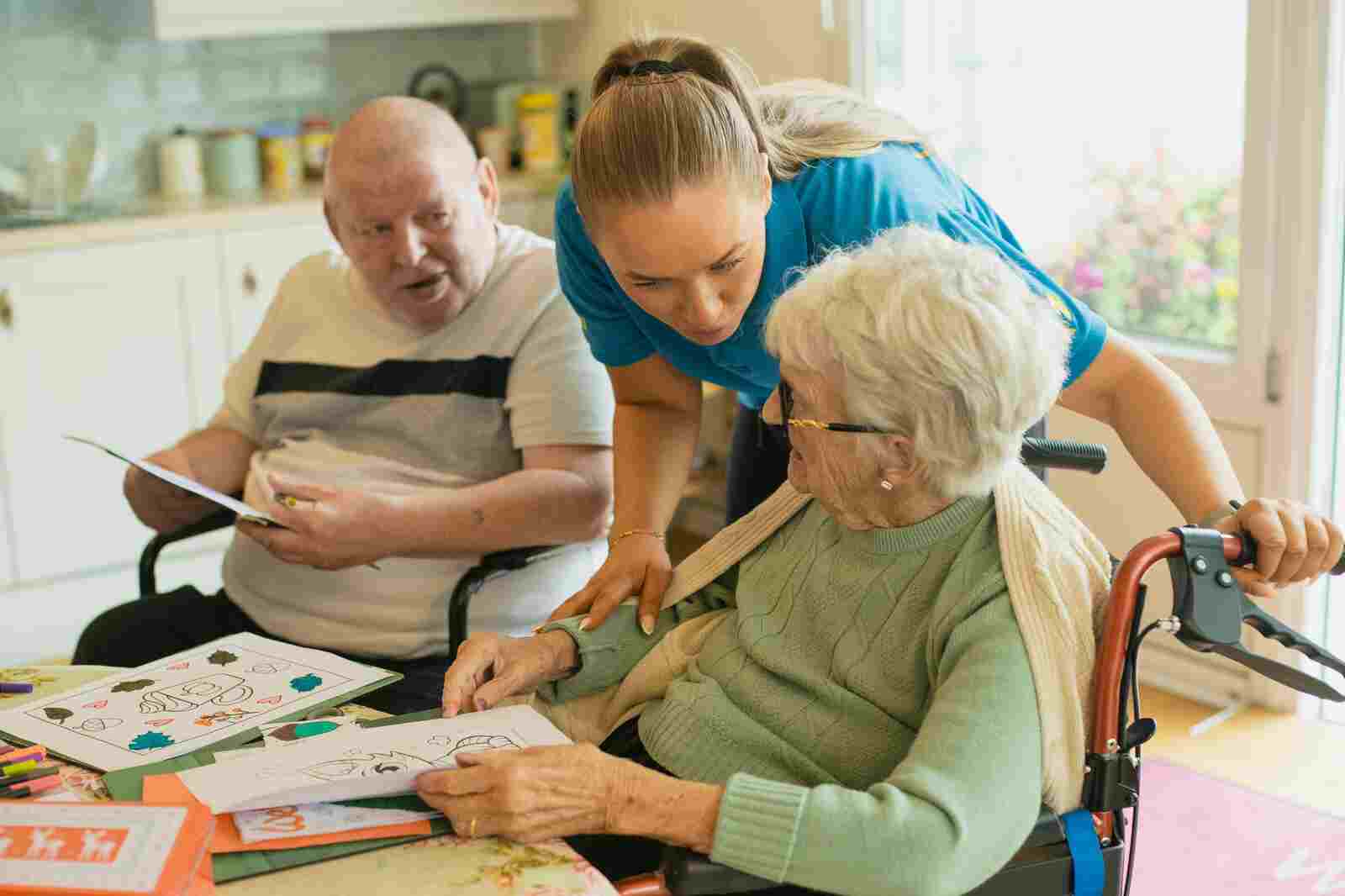
Practical aging in place tips, home safety upgrades, and how remote monitoring helps seniors live independently with confidence.
Most older adults have the same wish: to stay in the home they love.
A 2025 survey found that 94% of seniors say aging in place is an important goal. But wanting to stay home and being able to do it safely are two different things. Falls, missed medications, and slow emergency response can turn a familiar house into a risky place to grow older.
This guide covers how seniors can age in place safely, from simple home modifications for senior safety to the remote monitoring tools that give families real peace of mind. You’ll learn practical aging in place tips you can start using today.
What Does Aging in Place Mean?
Aging in place means living in your own home, safely and independently, as you grow older. It’s not about avoiding help. It’s about getting the right support so you don’t have to leave the home, neighborhood, and routines that matter to you.
Why does it matter so much? Staying home protects a senior’s sense of identity, comfort, and connection to community. Studies consistently show that older adults who remain in familiar surroundings report better emotional well-being than those who relocate, especially when their home is set up to meet their changing needs.
Why Aging in Place Is a Growing Priority
- 94% of seniors say aging in place is an important goal, according to a 2025 national survey.
- More than 14 million adults age 65 and older fall each year, roughly 1 in 4 seniors.
- Falls remain the leading cause of injury for adults 65 and older, per the CDC.
- Despite this demand, nearly half of seniors say their homes aren’t fully ready for aging in place.
The takeaway is simple: the desire to stay home is nearly universal, but the preparation often lags behind. That gap is exactly where home modifications and remote monitoring make the biggest difference.
Warning Signs a Home Needs Safety Upgrades
Watch for these signs that a loved one’s home may no longer fit their needs:
- Bruises or near-falls that go unmentioned
- Difficulty climbing stairs or getting out of chairs
- Missed medications or confusion about dosages
- Clutter, loose rugs, or poor lighting in walkways
- Avoiding the bathroom or shower due to fear of slipping
Catching these signs early allows for proactive changes, rather than reacting after an injury occurs.
Common Risk Factors as We Age
Several factors increase the chances of a fall or medical emergency at home:
- Age-related muscle weakness and balance changes
- Chronic conditions like arthritis, diabetes, or heart disease
- Vision or hearing changes that affect awareness of surroundings
- Side effects from medications, including dizziness or drowsiness
- Living alone without daily check-ins
None of these risk factors mean a senior has to give up independence. They simply mean the home and support system need to be designed around them.
Home Modifications for Senior Safety
Small, targeted changes can make a home dramatically safer without a full renovation.
Bathroom
- Install grab bars near the toilet and inside the shower
- Use a non-slip mat or textured shower floor
- Add a raised toilet seat for easier sitting and standing
Stairs and Hallways
- Secure handrails on both sides of staircases
- Add motion-sensor or always-on lighting in hallways
- Remove loose rugs and tape down loose cords
Kitchen and Living Areas
- Keep frequently used items within easy reach
- Use lever-style door handles and faucets, easier to grip than knobs
- Arrange furniture with wide, clear walking paths
These home modifications for senior safety are some of the most effective aging in place tips elderly adults and their families can act on right away, often for a relatively small upfront cost.
How Technology Is Changing Senior Care
Home modifications reduce risk, but they can’t call for help if something goes wrong. That’s where technology has shifted the picture for families. Wearable devices, sensors, and connected apps now let seniors get help fast and let families know, in real time, that their loved one is safe. It’s a simple but powerful pivot to remote monitoring: instead of waiting for a scheduled visit or a phone call that goes unanswered, families and care teams can see how a senior is doing throughout the day.
How Vitalis Helps
Vitalis combines medical alert monitoring, remote patient monitoring, and AI-based tracking into one easy-to-use system, built around a simple wearable watch.
- Faster response times during a fall or medical emergency
- Continuous monitoring of activity and vital health patterns
- Early detection of changes that could signal a health issue
- Improved patient outcomes through proactive, ongoing care
Vitalis offers medical alert monitoring through a comfortable medical alert watch with automatic fall detection, paired with remote patient monitoring that tracks vitals like blood pressure and oxygen levels from home. The watch also includes a built-in GPS tracker for added safety outside the house, and flexible monthly and annual subscription plans make it accessible for most budgets.
Preventive Care Habits That Support Aging in Place
- Schedule annual vision and hearing checkups
- Review medications with a doctor or pharmacist regularly
- Stay active with gentle, balance-focused exercise
- Keep a consistent sleep and meal schedule
- Complete a fall risk screening to identify personal risk factors
A fall risk screening is a great starting point for families who aren’t sure where to begin. It identifies specific risks so home modifications and monitoring can be targeted where they matter most.
“Falls are the leading cause of injury for adults ages 65 years and older.” — Centers for Disease Control and Prevention (CDC)
Frequently Asked Questions
Is aging in place safe for seniors who live alone? Yes, with the right setup. Home modifications, a regular check-in routine, and a medical alert system like Vitalis make living alone much safer.
What’s the difference between a medical alert system and remote patient monitoring? A medical alert system focuses on emergencies, like a fall or sudden health event. Remote patient monitoring tracks ongoing health data, such as blood pressure or heart rate, to catch problems early.
How much do home modifications for senior safety typically cost? Costs vary widely. Simple changes like grab bars and better lighting are affordable, while larger renovations cost more. Many families start with low-cost fixes first.
Will insurance or Medicare help cover monitoring devices? Coverage depends on the plan and provider. It’s worth checking with your insurance and asking Vitalis about available subscription options.
At what age should families start planning for aging in place? There’s no single age. It’s smart to start the conversation as soon as a parent shows early signs of slowing down, even before a safety issue occurs.
Suggested Reads
- How Medical Alert Monitoring Works
- Vitalis Preventative Health Management
- Blood Pressure Monitoring Watch
The Bottom Line
Aging in place safely isn’t about doing it alone. It’s about combining a few smart home modifications with the right monitoring support, so independence doesn’t come at the cost of safety.
With 94% of seniors wanting to stay in their own homes, the question isn’t whether aging in place is the right goal. It’s how to make it work safely for your family.
Take control of your health today. Schedule a consultation with Vitalis and get personalized monitoring support so your loved one can stay safe at home, longer.
This content is for informational purposes only and does not replace professional medical advice, diagnosis, or treatment. Always consult a qualified healthcare provider for personalized medical guidance.