The Bone Disease You Can’t Feel Until It’s Too Late
Osteoporosis rarely announces itself. There’s no warning ache before a bone becomes fragile — often the first sign is a fracture from a minor bump or fall. This article covers what causes osteoporosis, how it raises fall risk, and simple steps to protect your home and your bones.
What Is Osteoporosis?
Osteoporosis means bones lose density and strength over time, becoming porous and easy to break. It matters because even a small fall can cause a hip, spine, or wrist fracture, and recovery in older adults is often slow and difficult.
Osteoporosis Risk Factors in Seniors
- Being female, especially post-menopause
- Age over 50
- Family history of osteoporosis or fractures
- Low calcium or vitamin D intake
- Sedentary lifestyle
- Smoking or excessive alcohol use
- Certain medications, like long-term steroids
Symptoms to Watch For
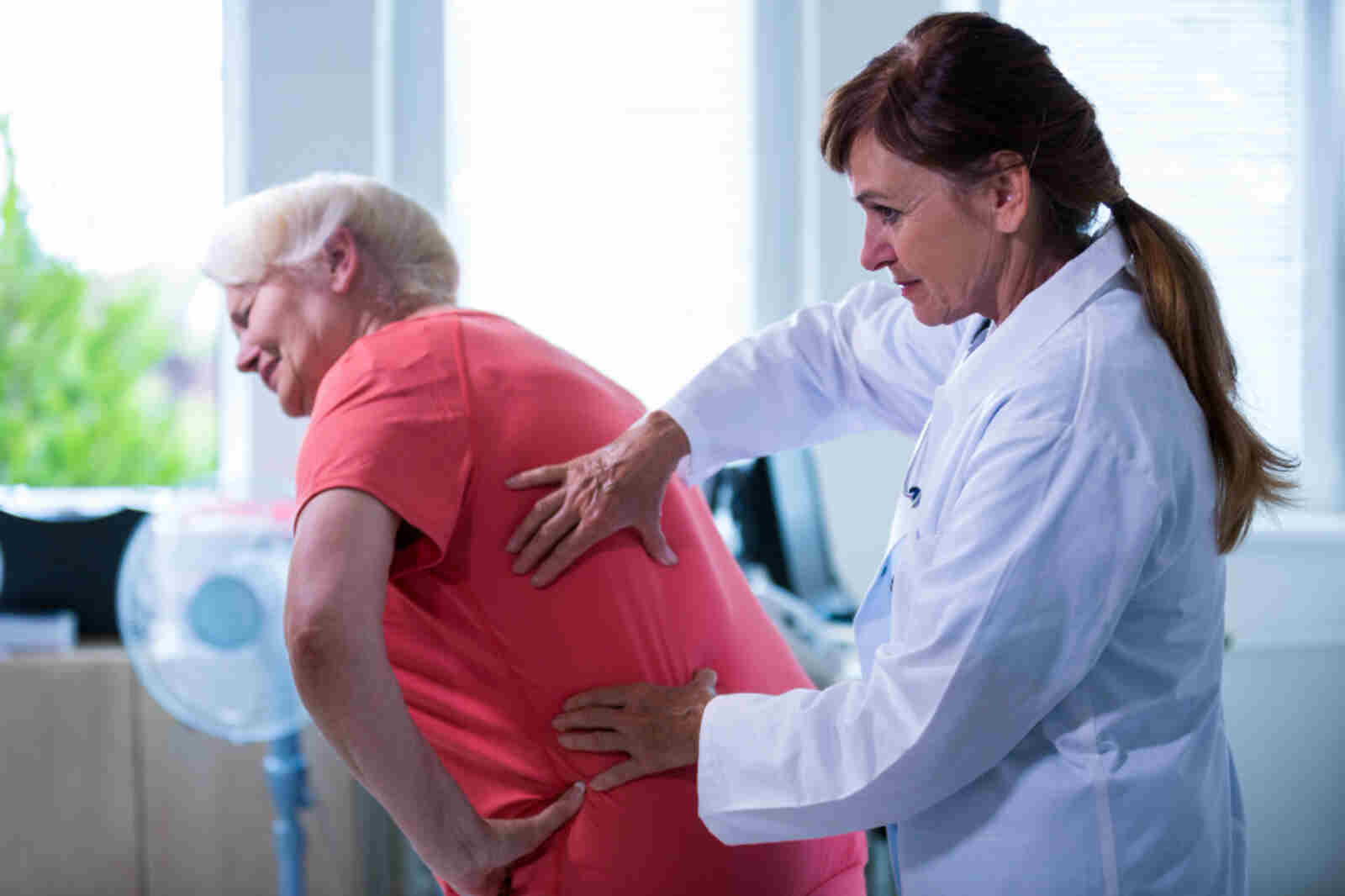
- Back pain from a collapsed or fractured vertebra
- Loss of height over time
- A stooped posture
- A bone that breaks more easily than expected
Diagnosis
Doctors diagnose osteoporosis with a bone density test called a DXA scan. It’s quick, painless, and measures bone strength at the hip and spine, helping doctors calculate future fracture risk.
Treatment Options
- Medications that slow bone loss or help rebuild bone
- Calcium and vitamin D supplementation as advised by a doctor
- Weight-bearing exercise to strengthen bones and muscles
- Fall prevention strategies, since fractures — not the disease itself — cause the most harm
Osteoporosis and Fall Risk: A Dangerous Combination
According to CDC data, about 12.6% of U.S. adults age 50 and older have osteoporosis of the hip, spine, or both, with women affected far more often than men (CDC data via Medical News Today). Research also shows roughly a quarter of older adults die within a year of a hip fracture (NIH). That’s why fall-proofing your home matters as much as treating the bone loss itself.
Fall-Proofing Your Home
- Remove loose rugs and clutter from walkways
- Add grab bars in bathrooms
- Improve lighting in hallways and stairs
- Use non-slip mats in the shower
- Keep frequently used items within easy reach
How Vitalis Helps
A fracture from a fall can happen in seconds, and every minute without help increases the risk of complications. Vitalis medical alert systems combine automatic fall detection with 24/7 monitoring, so if a fall happens, help is on the way fast — no need to press a button. Explore our automatic fall detection devices, take a free fall risk screening, or learn about our medical alert watch.
FAQs
Can osteoporosis be reversed?
Bone loss can be slowed or partially rebuilt, but early management works best.
What’s the best exercise for osteoporosis?
Weight-bearing activities like walking, paired with balance training to reduce falls.
How often should seniors get bone density tests?
Discuss timing with your doctor, typically every 1–2 years after age 65.
A Note From the Experts
“Early detection is key to preventing serious complications.” — CDC
Protect Your Independence
Strong bones and a safe home go hand in hand. Combine good bone health habits with a safety net that catches you if a fall happens. Schedule a consultation with Vitalis and get personalized fall prevention and monitoring support. Visit our blog for more senior wellness tips.
This content is for informational purposes only and does not replace professional medical advice, diagnosis, or treatment. Always consult a qualified healthcare provider for personalized medical guidance.