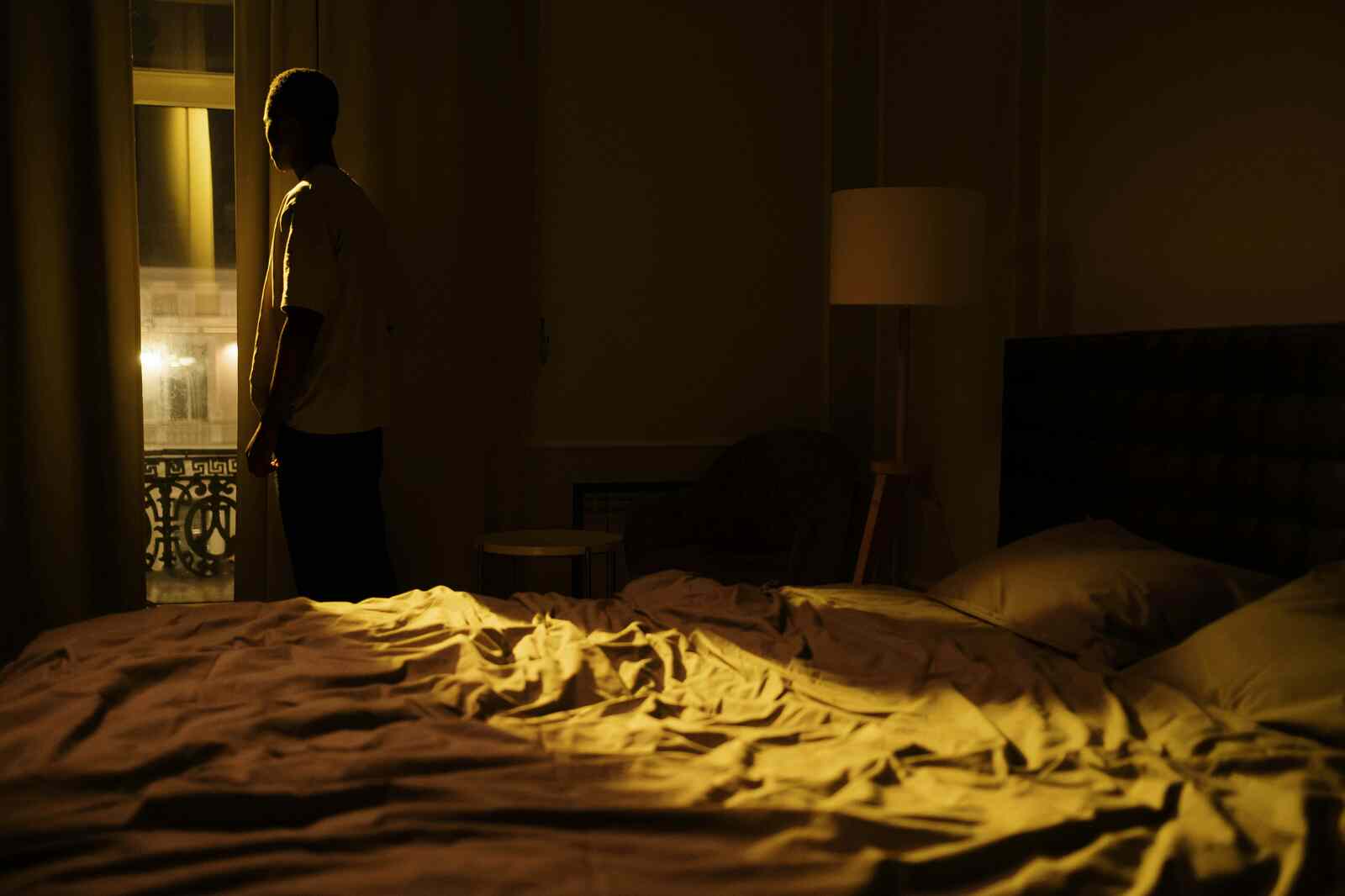
Sleep changes are often dismissed as a normal part of aging, but they can carry real safety implications. What may start as occasional restlessness or poor sleep can evolve into something more serious, as sleep disorders in seniors are increasingly linked to nighttime falls, cardiac events, and delayed emergency response.
In many cases, the most dangerous risks are the ones that happen quietly while everyone else is asleep. Understanding how sleep problems affect safety helps families shift from passive concern to proactive protection, especially during overnight hours, when risks are higher, and supervision is often limited.
Common Sleep Disorders After 60
According to the National Sleep Foundation, sleep patterns naturally change with age, but certain conditions go beyond normal aging and require attention. Recognizing the difference between typical sleep changes and underlying disorders is key to preventing overlooked health and safety risks.
Insomnia in elderly adults
Difficulty falling or staying asleep is one of the most common complaints after 60. Chronic insomnia can lead to fatigue, confusion, and impaired balance during nighttime awakenings.
Sleep apnea risks
Obstructive sleep apnea causes repeated breathing interruptions during sleep. These pauses reduce oxygen levels and strain the cardiovascular system.
REM sleep behavior disorder (RBD)
This condition causes people to physically act out dreams, sometimes resulting in sudden movements, falls from bed, or injury. It is more common in older adults and may be associated with neurological conditions.
According to the National Sleep Foundation, older adults are more likely to experience fragmented sleep and undiagnosed sleep disorders, many of which go untreated for years.
How Poor Sleep Raises Fall Risk
Sleep disruption doesn’t just affect energy levels; it directly impacts physical safety. In older adults, even mild sleep loss can impair the systems that maintain balance, coordination, and spatial awareness.
The Centres for Disease Control and Prevention (CDC) notes that sleep deprivation and falls are strongly linked to:
- Slower reaction time, making it harder to catch oneself during a slip
- Impaired balance and coordination, especially when getting out of bed quickly
- Nighttime disorientation, which increases the risk of missteps in low light
- Reduced muscle strength and stability after poor-quality sleep
Waking suddenly from deep sleep can also cause sleep inertia, a temporary state of grogginess that affects judgment, vision, and stability, particularly dangerous during nighttime bathroom trips or hallway walking.
According to the Centers for Disease Control and Prevention, falls are a leading cause of injury among older adults, and sleep disruption is a contributing risk factor. This makes sleep quality not just a comfort issue, but a critical component of fall prevention and overall nighttime safety.
Sleep Apnea and Cardiac Emergencies
Among sleep disorders, sleep apnea carries some of the highest emergency risks, largely because its effects accumulate silently over time. During apnea episodes, breathing repeatedly stops and restarts, causing sharp drops in blood oxygen levels and placing significant strain on the cardiovascular system.
Repeated oxygen drops during the night can:
- Elevate blood pressure and worsen hypertension
- Trigger irregular heart rhythms (arrhythmias)
- Increase stroke risk due to reduced oxygen delivery to the brain
- Strain the heart muscle over time, raising the risk of heart failure
The American Heart Association identifies sleep apnea as a major contributor to cardiovascular disease, including arrhythmias, coronary artery disease, and heart failure.
Over time, untreated apnea can also worsen diabetes control and cognitive decline, compounding overall health risks. Because these events happen during sleep, they often go unnoticed, especially for seniors who live alone or do not have a bed partner to observe symptoms like gasping or pauses in breathing.
In more severe cases, untreated sleep apnea can increase the likelihood of sudden nighttime cardiac emergencies, making early detection and overnight safety planning especially important.
Stroke and Heart Attack Symptoms During Sleep
Many families don’t realize that strokes and heart attacks can occur during sleep, and symptoms may be subtle or delayed until morning.
Nighttime stroke symptoms
- Waking with confusion or difficulty speaking
- Sudden weakness on one side of the body
- Severe headache upon waking
- Loss of balance
Heart attack during sleep
- Chest discomfort or pressure
- Shortness of breath
- Sweating or nausea
- Unexplained fatigue upon waking
According to the National Institutes of Health, delayed recognition of nighttime strokes can reduce treatment effectiveness, making rapid response critical. These risks highlight why overnight health monitoring is an important safety consideration, not just daytime vigilance.
When Families Should Be Concerned
Not every sleep issue signals danger, but certain patterns suggest elevated emergency risk, especially when symptoms become frequent or worsen over time. What begins as mild sleep disruption can gradually evolve into safety concerns if warning signs are overlooked.
Watch for:
- Loud snoring with pauses in breathing (possible sleep apnea)
- Frequent nighttime falls or near-falls
- Acting out dreams or sudden movements during sleep
- Waking with confusion, panic, or severe morning headaches
- Excessive daytime fatigue despite long sleep hours
- Unexplained bruises, cuts, or injuries
Pay attention to patterns rather than isolated events. For example, repeated nighttime bathroom falls, recurring morning confusion, or ongoing fatigue despite “enough” sleep may indicate an underlying disorder rather than normal aging. Behavioral changes, like increased nighttime wandering or new anxiety around bedtime, can also signal neurological or sleep-related issues. If these signs appear consistently, it may be time to discuss a formal sleep evaluation with a healthcare provider.
Untreated sleep disorders often progress quietly, increasing the risk of falls, cardiovascular events, or delayed emergency response. This is also the stage when many families begin considering tools that provide overnight emergency response support, especially when seniors live alone or have already experienced nighttime incidents.
Creating a Safer Nighttime Environment
While treating underlying sleep disorders is essential, environmental safety can significantly reduce risk in the meantime.
Improve nighttime visibility
- Motion-activated lights in bedrooms and hallways
- Easy-to-reach bedside lamps
- Illuminated bathroom paths
Reduce fall hazards
- Remove loose rugs and clutter
- Install grab bars in bathrooms
- Use non-slip flooring
Support heart and brain health
- Maintain regular sleep schedules
- Limit alcohol before bed
- Encourage medical screening for sleep apnea
For families seeking additional reassurance, 24/7 medical alert monitoring can provide an added layer of safety, ensuring that help is available even during overnight emergencies when phones may be out of reach.
Solutions designed for continuous monitoring offer peace of mind for both seniors and caregivers, especially when sleep disorders introduce unpredictable nighttime risks.
Why Nighttime Safety Planning Matters
Sleep should be restorative, but for many older adults, untreated sleep disorders introduce hidden dangers. From increased fall risk to cardiovascular emergencies, the effects of poor sleep extend far beyond fatigue.
By recognizing warning signs early and creating a layered safety plan, including medical evaluation, safer home environments, and access to immediate help, families can reduce the likelihood of serious overnight incidents.
Because when emergencies happen during sleep, response time is everything. Having the right safeguards in place can make the difference between delayed discovery and immediate assistance, protecting both health and independence.
Reassurance for Overnight Emergencies: How Vitalis Helps
For many families, nighttime is when anxiety about emergencies is highest. Falls, cardiac events, and breathing disturbances often occur during sleep, when seniors are least able to call for help and caregivers are unavailable.
This gap between risk and response is what makes overnight monitoring especially important. Vitalis is designed to provide reassurance during these vulnerable hours. Combining continuous monitoring with rapid alert systems, it helps ensure that unusual patterns, such as prolonged inactivity, irregular breathing, or sudden movements, don’t go unnoticed.
Instead of relying solely on morning check-ins or passive safety measures, families gain real-time awareness and faster response capabilities. For seniors who value independence, this kind of support preserves autonomy while quietly adding a protective layer.
Sleep changes are a normal part of aging, but not all nighttime patterns are harmless. From falls and confusion to sleep apnea and cardiovascular strain, certain sleep-related risks can escalate into serious emergencies if left unaddressed.
Recognizing warning signs early and seeking proper evaluation can make a meaningful difference in long-term safety and quality of life. Equally important is building a safety net that extends into the hours when risks are highest.
Whether through medical evaluation, environmental adjustments, or monitoring solutions, proactive planning helps seniors remain independent while reducing preventable emergencies. With the right awareness and support in place, nighttime can return to what it should be: a period of rest, not risk.