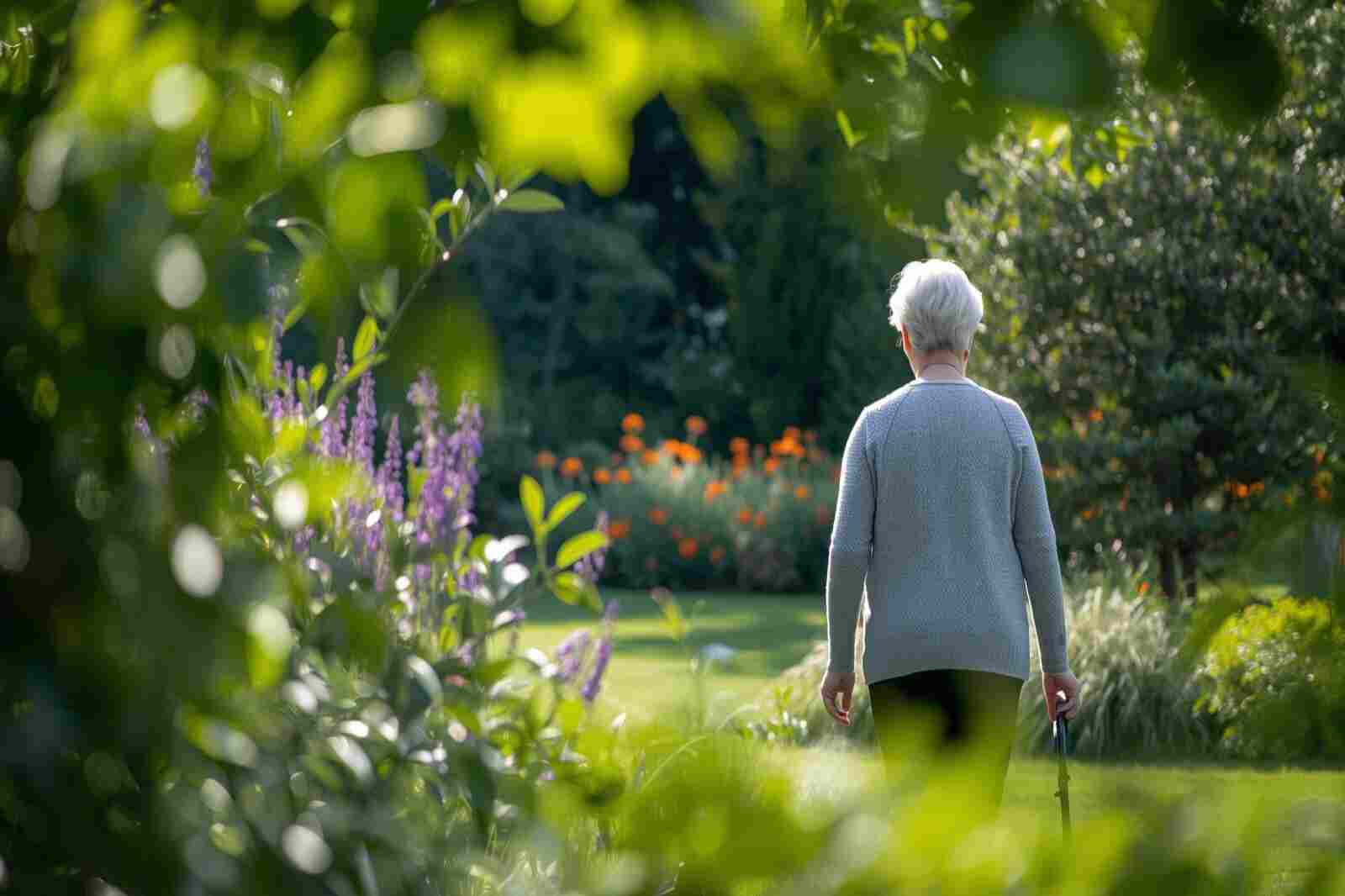
Walking is one of the most underrated yet powerful activities that seniors can incorporate into their daily routine. It’s simple, accessible, and requires no special equipment—yet the benefits of walking for older adults are profound and far-reaching. For many seniors, maintaining mobility and independence isn’t just about physical health; it’s about preserving dignity, confidence, and the ability to enjoy life on their own terms.
The statistics underscore the importance of this simple activity. According to the Centers for Disease Control and Prevention (CDC), falls are the leading cause of unintentional injury deaths among older adults, with one person dying from a fall every 29 minutes. However, research from the Journal of the American Geriatrics Society demonstrates that regular physical activity, particularly walking, can reduce fall risk by up to 50%. Furthermore, the World Health Organization (WHO) reports that physical inactivity is the fourth leading risk factor for global mortality, claiming an estimated 3.2 million lives annually—many of which are preventable through regular, moderate exercise like walking.
A groundbreaking study published in JAMA Psychiatry found that regular walking is associated with a 30% lower risk of depression in older adults. Additionally, research from the National Institute on Aging (NIA) indicates that seniors who maintain regular physical activity have better cognitive function, improved bone density, and a 28% lower risk of mortality compared to sedentary peers.
In this comprehensive guide, we’ll explore how daily walking benefits for seniors go beyond mere exercise. We’ll examine the science behind walking for senior mobility, share practical tips for safe walking exercises for seniors, and help you understand why this simple activity is one of the best investments in long-term health and well-being.
The Foundation of Senior Wellness: Understanding Daily Walking Benefits for Seniors
When we talk about daily walking benefits for seniors, we’re discussing far more than just getting from point A to point B. Walking is a low-impact exercise for seniors that addresses multiple dimensions of health simultaneously—cardiovascular fitness, muscular strength, mental clarity, and emotional resilience.
The human body is designed for movement. After retirement or when activity levels decline, seniors often experience a gradual loss of muscle mass, weakened bones, reduced cardiovascular capacity, and diminished balance. This isn’t an inevitable decline; it’s simply the result of reduced movement. The good news? Walking reverses many of these changes.
Research consistently demonstrates that senior mobility improvement through regular walking can significantly enhance quality of life. Older adults who engage in consistent walking routines report better sleep, improved digestion, enhanced cognitive function, and a more positive outlook on life. Perhaps most importantly, walking for senior mobility helps maintain the physical independence that allows seniors to live life on their own terms.
Walking Improves Balance in Seniors: The Confidence Connection
One of the most significant benefits of walking for older adults is its impact on balance and coordination. Falls are among the most serious health concerns for older adults, often leading to fractures, extended hospital stays, and loss of independence. Yet fall prevention tips for seniors often overlook the simplest solution: regular walking.
When you walk, you’re constantly engaging your stabilizer muscles, fine-tuning your proprioception (your body’s awareness of its position in space), and strengthening the muscles that keep you upright. Over time, this translates to improved balance and coordination, which directly translates to confidence.
Walking improves balance in seniors through several mechanisms:
Strengthening Lower Body Muscles: Regular walking engages your calves, thighs, glutes, and core muscles—all essential for maintaining upright posture and preventing falls.
Enhancing Proprioceptive Feedback: Walking on varied terrain challenges your body’s balance system, making it more responsive and adaptive.
Improving Cardiovascular Fitness: Better circulation means improved oxygen delivery to muscles, enhancing overall physical capability.
Boosting Mental Confidence: Physical improvements naturally lead to greater confidence in one’s ability to move safely and independently.
This confidence-building for seniors creates a positive feedback loop. As mobility improves and confidence grows, seniors are more likely to remain active, socially engaged, and independent—all factors that contribute to longevity and life satisfaction.
How Much Should Seniors Walk Daily? Finding Your Optimal Routine
A common question in the minds of many older adults is: How much should seniors walk daily? The answer is more flexible than you might think.
The World Health Organization recommends that older adults engage in at least 150 minutes of moderate-intensity physical activity per week, or 75 minutes of vigorous activity. For many seniors, walking can easily meet these guidelines. This breaks down to roughly 30 minutes of daily walking, five days a week—a very achievable goal for most older adults.
However, the optimal amount varies based on individual fitness levels, health conditions, and personal goals. A senior just beginning a walking routine might start with 10-15 minutes daily and gradually increase duration and intensity. Others who are already active might comfortably walk 45-60 minutes daily.
The key principle is consistency over intensity. Short, daily walks are far more beneficial than occasional long walks. Daily walking benefits for seniors accumulate over time, with the most significant improvements typically becoming noticeable after 4-6 weeks of consistent activity.
Is Walking Safe for Seniors? Best Practices and Precautions
If you’re wondering, “Is walking safe for seniors?”—the answer is a resounding yes, provided it’s done thoughtfully. Walking is among the safest low-impact exercises for seniors because it doesn’t require specialized training, expensive equipment, or risky movements.
However, safe exercises for seniors do require some attention to technique and environmental factors:
Wear Proper Footwear: Invest in supportive shoes with good traction to prevent slips and falls.
Warm Up and Cool Down: Spend 5 minutes walking slowly before increasing pace, and finish with gentle stretching.
Stay Hydrated: Bring water, especially on longer walks or during warmer weather.
Choose Safe Environments: Well-maintained paths, parks, or indoor malls are ideal. Avoid uneven terrain until balance improves significantly.
Consider a Walking Companion: Whether it’s a friend, family member, or pet, having company makes walking more enjoyable and safer.
Walk During Daylight Hours: The best time of day for seniors to walk is typically mid-morning or early afternoon when visibility is optimal, and the temperature is moderate.
Best Time of Day for Seniors to Walk: Optimizing Your Routine
When is the best time of day for seniors to walk? While any time you’ll actually walk is the “best” time, certain periods offer advantages.
Early morning walks offer the benefits of fresh air, a kickstart to metabolism, and lower traffic volumes. Mid-morning (10 AM-12 PM) provides better lighting, warmer temperatures, and is generally considered optimal for senior mobility improvement. Afternoon walks help break up the day and can improve evening sleep quality.
Avoid early evening walks if possible, as reducing activity close to bedtime might interfere with sleep. Whatever schedule you choose, consistency matters more than timing—walking at the same time daily helps establish a sustainable habit.
Walking Tips for Seniors Living Alone: Safety and Social Connection
For seniors living alone, maintaining a regular walking routine requires special consideration. Walking tips for seniors living alone should emphasize both safety and the social dimensions of this activity.
Inform Someone of Your Routine: Let a family member or friend know when you typically walk, the route you’ll take, and when you expect to return.
Carry Your Phone: Keep a fully charged phone with emergency contacts readily accessible.
Consider Joining a Walking Group: Community centers, senior centers, and parks often host walking groups—combining exercise with social engagement.
Use Well-Populated Routes: Stick to neighborhoods, parks, or indoor malls where other people are present.
Trust Your Instincts: If something doesn’t feel safe, don’t do it. Your intuition is a valuable safety tool.
Walking tips for seniors living alone are really about maintaining confidence while taking reasonable precautions. Most seniors find that after a few weeks of regular walking, they feel more secure and aware of their capabilities.
Walking Exercises for Seniors: Progression and Variation
As you develop a walking routine, consider incorporating walking exercises for seniors that enhance the benefits. These might include:
Interval Walking: Alternating between normal and brisk paces builds cardiovascular fitness.
Hill Walking: Gentle inclines strengthen different muscle groups.
Walking with Resistance: Carrying light hand weights or wearing a weighted vest increases muscular benefit.
Walking Meditation: Focusing on breathing and surroundings turns walking into a mindfulness practice.
Nordic Walking: Using special poles engages upper body muscles alongside lower body benefits.
Does Walking Reduce Fall Risk in Seniors? The Evidence
Perhaps the most compelling question is: Does walking reduce fall risk in seniors? The evidence is clear and compelling—yes, it does. Regular walkers demonstrate significantly better balance, stronger muscles, improved coordination, and greater confidence in movement. All of these factors directly reduce fall risk.
Studies show that seniors who engage in regular walking have up to 50% fewer falls compared to sedentary peers. By improving balance and coordination through consistent walking, seniors can reduce their fall risk while simultaneously staying independent as a senior.
Staying Independent as a Senior Through Consistent Movement
The ultimate benefit of daily walking for older adults is the preservation and enhancement of independence. Walking for senior mobility isn’t just about physical fitness; it’s about maintaining the capability to live life as you choose—to visit friends, pursue hobbies, run errands, and enjoy your community.
Many seniors who commit to walking routines report not just physical improvements but psychological ones: greater happiness, reduced anxiety, improved sleep, and stronger social connections. Walking becomes a gateway to staying independent as a senior in the fullest sense.
Building Confidence Through Mobility: A Holistic Approach
Confidence-building activities for seniors extend beyond walking itself. However, walking serves as a foundation upon which other activities and confidence naturally develop. As mobility improves and seniors experience success in their walking routine, they’re more likely to engage in other activities, take on new challenges, and maintain a positive self-image.
This confidence directly translates to better decision-making about personal health and safety. Seniors with strong mobility confidence are more likely to be proactive about their health, maintain social connections, and advocate for themselves in medical settings.
Taking the Next Step: Building Your Walking Routine
Beginning a daily walking routine is straightforward, but maintaining one requires intention. Start with realistic goals, choose enjoyable routes, consider finding a walking companion, and track your progress. Many seniors find that using a simple pedometer or smartphone app helps maintain motivation.
Remember that consistency matters far more than intensity. A 20-minute daily walk is more beneficial than a 2-hour walk once a month. Your body responds to regular, repeated movement by becoming stronger, more stable, and more capable.
As you invest in your daily walking routine and see improvements in your mobility and confidence, you’re also taking proactive steps toward long-term health security. For added peace of mind, consider services like Vitalis Medical Alert Monitoring, which provides 24/7 professional monitoring and emergency response support—an important complement to an active lifestyle, ensuring that you can pursue your daily activities with confidence knowing help is just a button press away if needed.
Conclusion: The Transformative Power of Daily Movement
Daily walking benefits for seniors are backed by science and demonstrated in the lives of thousands of active older adults. Walking for senior mobility is accessible, effective, and profoundly empowering. By committing to a regular walking routine, you’re investing in your independence, your confidence, and your quality of life.
The path to better mobility and confidence starts with a single step—quite literally. Begin today, stay consistent, and discover how this simple yet powerful activity can transform your experience of aging. Your future self will thank you for the investment you’re making now.