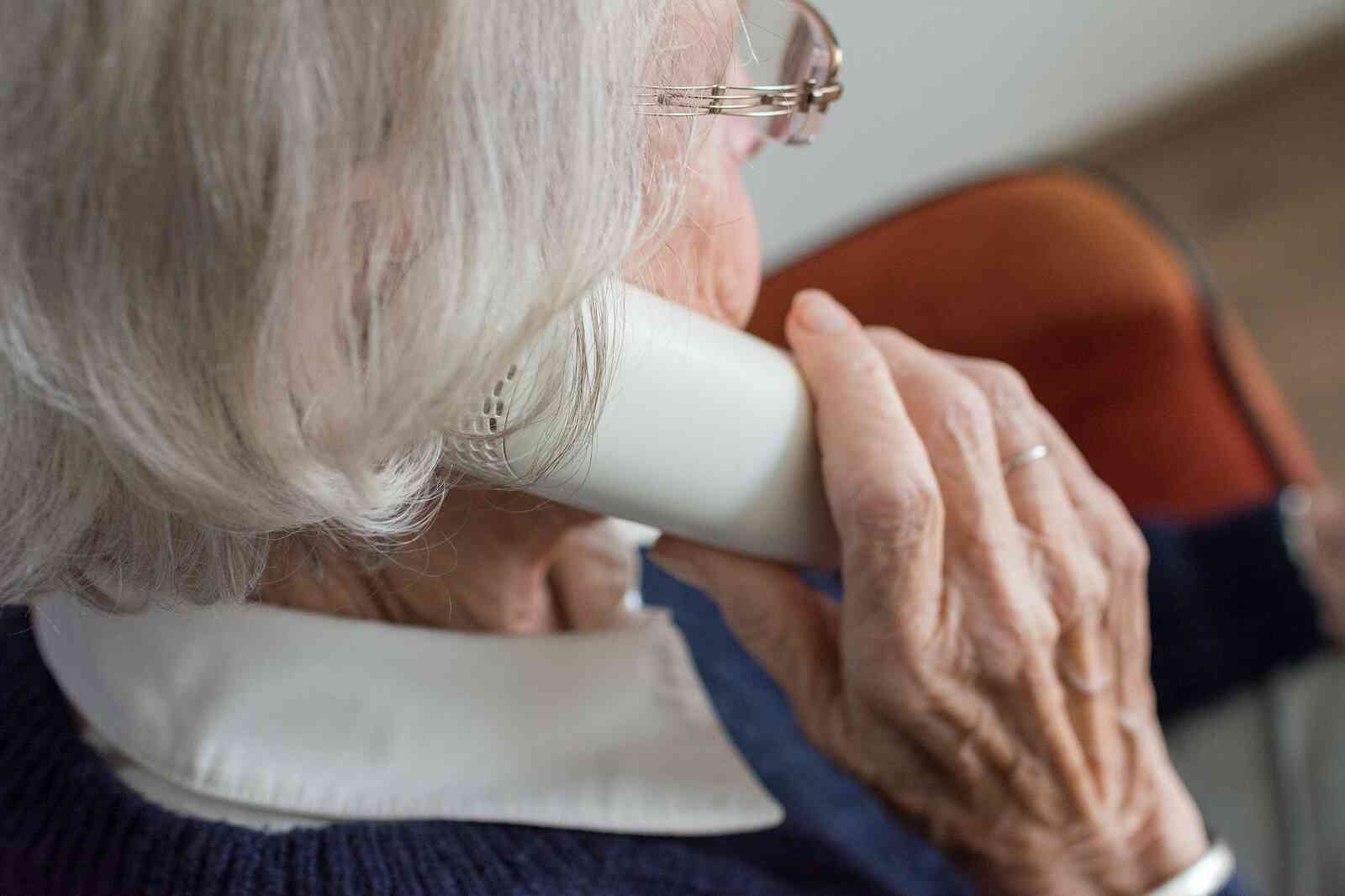
You know the feeling. Your phone rings late in the evening and your heart jumps before you even see the caller ID. Is it Mom? Did something happen to Dad? This is what caregiver anxiety feels like — and millions of families live with it every single day.
If you are caring for an aging parent or loved one, that constant low-level dread is not irrational. It is your love showing up as worry. But there is good news: medical alert systems are changing what it means to keep someone safe. They are turning that constant fear into something far more manageable — confidence.
In this guide, you will learn what caregiver anxiety really looks like, what makes it worse, and exactly how today’s medical alert systems create a powerful safety net that gives your entire family back its peace of mind.
What Is Caregiver Anxiety?
Caregiver anxiety is more than ordinary stress. It is a persistent state of worry tied to the safety and health of someone you love. It can show up as trouble sleeping, difficulty concentrating at work, or a nagging sense that something terrible could happen at any moment.
According to the AARP, approximately 53 million Americans serve as unpaid caregivers. Many of them juggle full-time jobs, their own families, and the emotional weight of watching a parent grow older and more vulnerable.
Research published in PubMed shows that over 61% of family caregivers report moderate-to-high levels of anxiety. The emotional impact does not stay in the background either — over time, elevated stress hormones can disrupt sleep, weaken immunity, and take a real toll on physical health.
Simply put: when you love someone who is aging, their safety becomes your mental weight to carry.
Symptoms of Caregiver Anxiety to Watch For
Caregiver anxiety can be sneaky. It often builds gradually until it starts affecting daily life. Common signs include:
- Checking your phone constantly, even during the night
- Difficulty focusing at work or in conversations
- Trouble falling or staying asleep because of “what if” thoughts
- Calling your loved one multiple times a day just to confirm they are okay
- Feeling guilty when you take time for yourself
- Physical symptoms like headaches, fatigue, or stomach upset with no clear cause
- Emotional outbursts or increased irritability with family members
If several of these feel familiar, you are not alone — and you are not overreacting. These responses are a natural result of caring deeply combined with uncertainty about your loved one’s safety.
What Makes Caregiver Anxiety Worse
Several factors can intensify the worry:
- Distance: Long-distance caregivers face compounded anxiety because they cannot quickly check on their loved one in person.
- Living alone: Seniors who live independently give families far less visibility into their daily wellbeing.
- Previous health scares: A prior fall, hospitalization, or medical event dramatically heightens ongoing vigilance.
- Cognitive decline: Caring for a parent with dementia or Alzheimer’s adds wandering risk and unpredictability.
- Lack of a safety system: Families with no monitoring or alert solution experience the most acute worry because they have no backup plan.
The last point is critical. Research consistently shows that caregiver stress drops significantly when a reliable alert system is in place — because when uncertainty drops, anxiety drops with it.
What Are Medical Alert Systems?
A medical alert system is a wearable device — typically a watch, wristband, or pendant — that allows a senior to call for help instantly during an emergency. Most systems include a dedicated SOS button, automatic fall detection, GPS tracking, and a direct connection to emergency contacts or a 24/7 monitoring center.
Modern medical alert systems go far beyond a simple “I’ve fallen and I can’t get up” button. Today’s devices offer:
- Automatic fall detection that triggers an alert even if the user cannot press a button
- Real-time GPS location sharing so families always know where their loved one is
- Two-way voice communication directly through the device
- Caregiver apps that display activity, location, and device status in real time
- Continuous vital sign monitoring including heart rate and blood pressure
- Geofencing alerts that notify caregivers if a loved one leaves a designated safe zone
For families managing caregiver anxiety, these features are not just conveniences. They are lifelines.
The Medical Alert Benefits That Change Everything for Families
1. You Stop Waiting for the Worst to Happen
With a medical alert system active, your loved one is no longer on their own in an emergency. If they fall, feel dizzy, or press the SOS button, help is on the way within seconds — whether you are next door or across the country. That single fact changes the entire emotional equation for caregivers. The dread of “what if” becomes much quieter.
2. Senior Safety Is No Longer Dependent on Proximity
One of the hardest parts of long-distance caregiving is the helplessness. You cannot be there. But with a medical alert system that includes GPS tracking and a caregiver app, you have real-time visibility into your loved one’s location and wellbeing — from anywhere in the world. Senior safety is no longer bound by geography.
3. Emergency Alerts Mean Faster Help
In a medical emergency, every minute matters. Research confirms that faster emergency response after a fall or cardiac event significantly improves outcomes and reduces complications. Medical alert systems do not just notify family — they can coordinate directly with emergency services, dispatch responders to the exact GPS location, and stay on the line until help arrives.
4. Seniors Gain Independence, Families Gain Confidence
One of the most beautiful outcomes of a medical alert system is what it gives back to the senior. When your loved one knows help is always a button-press away, they are more likely to remain active, go for walks, and age in place with dignity. And when you, as a family member, know that protection is always with them, you can step back from hypervigilance and simply enjoy your relationship again.
“In my 30 years as a home health occupational therapist, I have found medical alert systems to be a critical component of general home safety, giving seniors and their loved ones peace of mind knowing that immediate help is available should they ever need it.”
— Linda Schlenker, Home Health Occupational Therapist & Home Safety Expert
Preventive Care: How Families Can Reduce Risk Before an Emergency Happens
Medical alert systems are most powerful when combined with a broader preventive approach. Here are practical steps families can take today:
- Schedule a fall risk assessment with your loved one’s physician — especially if they have balance issues, take multiple medications, or have had a prior fall.
- Do a home safety walkthrough: remove tripping hazards, add grab bars in bathrooms, and improve lighting in hallways.
- Set up a regular check-in routine, even if brief, so changes in health or mood are noticed early.
- Encourage your loved one to stay active — gentle exercises like walking or chair yoga improve balance and reduce fall risk.
- Ensure chronic conditions like high blood pressure, diabetes, or heart disease are actively monitored — not just at clinic appointments, but continuously at home.
How Technology Is Changing Senior Care
Ten years ago, a medical alert was a simple button on a lanyard. Today, it is a sophisticated health monitoring system worn on the wrist — one that continuously tracks vital signs, detects falls automatically, shares GPS location in real time, and uses AI to spot health changes before they become crises.
Remote patient monitoring (RPM) technology allows healthcare providers and family caregivers to receive real-time data on a senior’s blood pressure, heart rate, oxygen levels, and daily activity — all without requiring the senior to visit a clinic. This means problems are caught earlier, interventions happen faster, and hospitalizations are reduced.
For families managing caregiver anxiety, this technology fundamentally changes the emotional experience. You are no longer guessing. You are not waiting for a phone call. You have a continuous, intelligent window into your loved one’s safety — and that changes everything.
How Vitalis Helps Families Replace Fear With Confidence
Vitalis PHA is built specifically for families navigating the intersection of senior safety and caregiver anxiety. As a proactive healthcare partner, Vitalis offers a complete suite of remote patient monitoring and medical alert solutions — worn comfortably as a watch — that keeps your loved one protected 24 hours a day, 7 days a week.
Medical Alert System
The Vitalis medical alert watch is waterproof, GPS-enabled, and programmed to contact up to three designated emergency contacts in a loop until someone answers. In an SOS situation, the watch can also coordinate directly with 911, and emergency responders are dispatched to the user’s exact GPS location — no guessing, no delays. Plans start at just $29/month with no contracts.
Remote Patient Monitoring (RPM)
Vitalis RPM tracks your loved one’s key health metrics — heart rate, blood pressure, oxygen levels, and activity patterns — continuously and sends real-time insights to you and their care team. Abnormal readings trigger alerts before symptoms become emergencies. For seniors managing chronic conditions like hypertension or heart disease, this continuous monitoring is genuinely life-changing.
AI-Powered Fall Detection and Tracking
Vitalis uses intelligent algorithms to detect falls automatically — even if your loved one cannot press the SOS button. It minimizes false alarms while ensuring real emergencies are never missed. The AI also tracks movement patterns over time, flagging changes that might indicate increased fall risk, reduced activity, or early health decline.
The Caregiver App
The Vitalis app gives family members real-time access to their loved one’s GPS location, health data, and device status — all in one simple, easy-to-read dashboard available on iOS and Android. Multiple family members can be connected simultaneously, so the entire family stays informed without relying on a single phone call.
The core benefits Vitalis delivers to families:
- Faster emergency response — the watch contacts help within seconds of an SOS or detected fall
- Continuous monitoring — your loved one is never truly alone, even when no one is physically present
- Early detection — health changes are flagged before they become crises
- Improved patient outcomes — proactive monitoring reduces hospitalizations and complications
- Peace of mind — real data, real-time, so caregivers can breathe again
“Early detection is key to preventing serious complications.”
— Centers for Disease Control and Prevention (CDC)
FAQs: Medical Alert Systems and Caregiver Anxiety
What is the best medical alert system for someone living alone?
The best system for someone living alone combines automatic fall detection, GPS tracking, two-way communication, and a 24/7 monitoring service. A wearable device — like a watch — is ideal because it travels with the user inside and outside the home, unlike home-based systems limited to a fixed range.
Can a medical alert system help with caregiver anxiety?
Yes — significantly. Caregiver anxiety is largely driven by uncertainty. Medical alert systems provide real-time visibility into your loved one’s safety, location, and health. That information removes much of the fear that fuels anxiety, giving caregivers the ability to step back from constant hypervigilance.
What happens if my loved one falls and cannot press the button?
Modern medical alert systems like Vitalis include automatic fall detection. The device senses the fall using built-in sensors and triggers an emergency alert without requiring the user to press anything. This is one of the most important features to look for when choosing a system.
How much do medical alert systems cost?
Costs vary by provider and features. Vitalis offers medical alert monitoring starting at $29/month with no contracts and no hidden fees. Annual plans include 2 months free plus a complimentary device. Given the peace of mind and potentially life-saving function they provide, most families find the cost very reasonable.
Will my loved one actually wear the device?
Compliance is a real concern with older alert systems. Vitalis is designed as a modern smartwatch — discreet, comfortable, and stylish enough that seniors are proud to wear it daily. The watch-style design encourages consistent use, which is critical for the system to work when it matters most.
Helpful Resources From Vitalis
Explore these related pages to learn more about how Vitalis can support your family:
- Medical Alert Monitoring — 24/7 Help, Only $29/month
- Remote Patient Monitoring Services
- GPS Tracker for Seniors — Real-Time Location & SOS Alerts
- Wearable Medical Alert vs Home System: Which Is Right for Your Loved One?
- The Complete Guide to Fall Prevention for Seniors
Suggested Reads:
- Remote Monitoring for Dementia & Alzheimer’s: Support Caregivers
- Smart Watches vs. Medical Alert Watches: What Seniors Actually Prefer in 2026
- Is 2026 the Breakthrough Year for Remote Patient Monitoring?
External Medical References:
Conclusion: From Fear to Confidence — One Device at a Time
The fear that grips you when your phone rings is real. The sleepless nights, the daily check-in calls, the nagging worry that never fully goes away — that is what caregiver anxiety looks like. And it is one of the most exhausting things a person can carry.
But here is what we know: uncertainty is the engine that drives anxiety. And medical alert systems are one of the most effective tools ever created to remove that uncertainty. When your loved one has a device that monitors their health, detects emergencies automatically, shares their location in real time, and connects them to help within seconds — the fear becomes much, much smaller.
You cannot eliminate all risk. But you can make sure that when something happens, the right help arrives fast — and that you are never left wondering in the dark.
Take control of your family’s peace of mind today. Schedule a consultation with Vitalis and get personalized remote monitoring and medical alert support designed for your loved one’s needs.
Schedule your free consultation at vitalis-pha.com | Call: 1-877-776-7421
MEDICAL DISCLAIMER
This content is for informational purposes only and does not replace professional medical advice, diagnosis, or treatment. Always consult a qualified healthcare provider for personalized medical guidance.