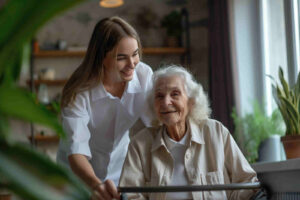
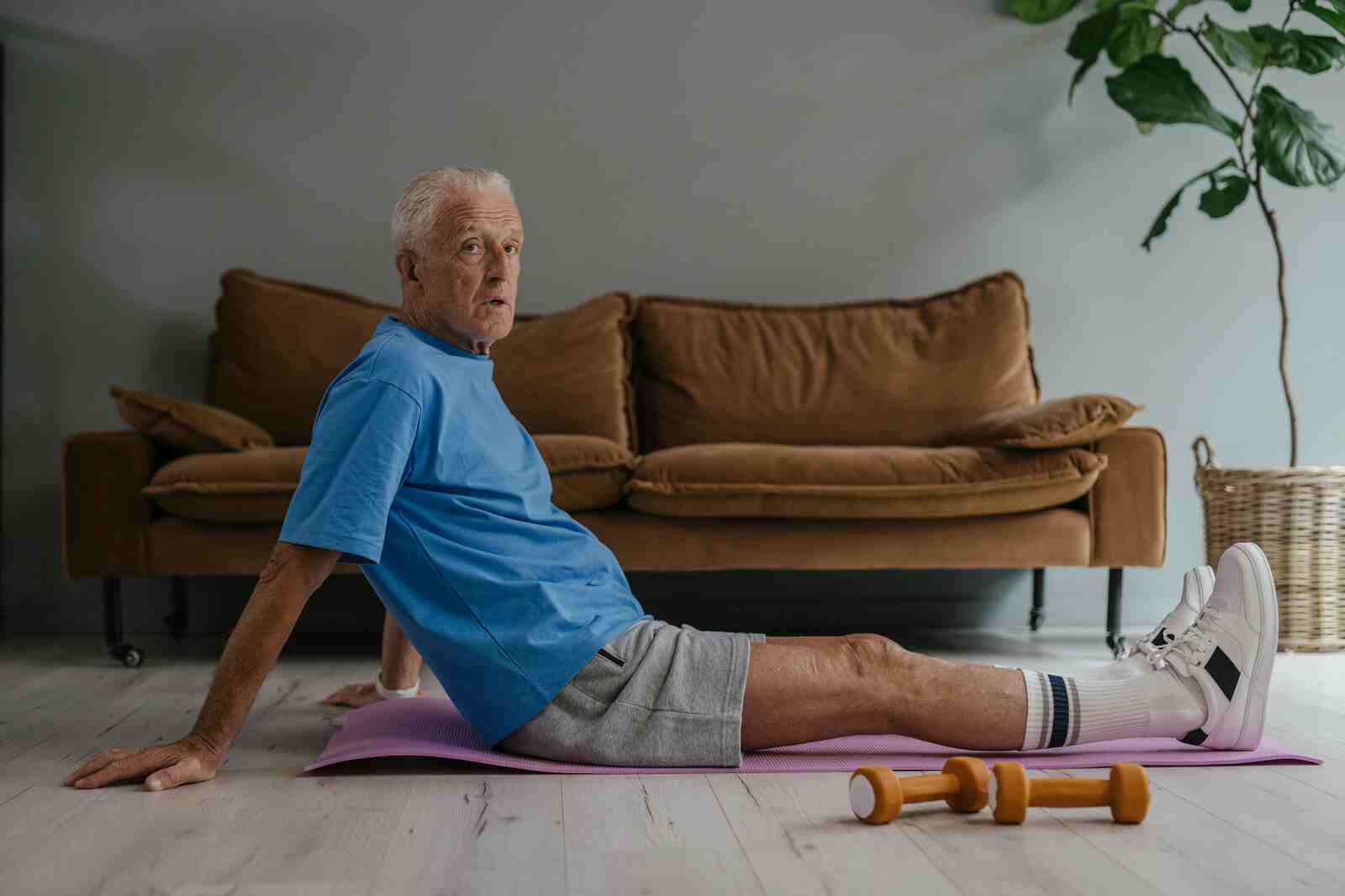
Staying strong is not about looking fit; it is about staying independent, confident, and safe as you age. Strength training plays a critical role in healthy aging, helping seniors maintain mobility, prevent falls, and continue daily activities with greater ease.
When combined with modern safety tools like wearable medical alert technology, strength training becomes part of a well-rounded approach to aging well. This guide explains why senior strength training matters, how it reduces fall risk, which exercises are safest and most effective, and how wearable monitoring adds peace of mind for seniors and caregivers alike.
Strength Training and Healthy Aging: Why It Matters
As we age, muscle mass, bone density, and balance naturally decline, a process known as sarcopenia. Without intervention, this loss increases the risk of falls, fractures, and loss of independence.
According to the National Institute on Aging, strength training helps older adults:
- Maintain mobility and balance
- Protect bone health
- Improve mood and cognitive function
- Support daily activities like walking, climbing stairs, and carrying groceries
Regular resistance training can slow age-related muscle loss and significantly improve the quality of life for aging adults. In short, fitness for aging adults is not optional; it is foundational to healthy aging.
Key Benefits of Strength Training for Seniors
Strength training offers benefits that extend far beyond building muscle. For older adults, it plays a vital role in maintaining physical stability, emotional well-being, and independence, all of which contribute directly to safer, more confident aging.
Incorporating regular strength exercises helps address many of the physical and psychological changes that naturally occur with age.
Improved mobility and balance
Stronger leg, hip, and core muscles support stable movement, improve coordination, and significantly reduce unsteadiness during everyday activities such as walking, standing, and climbing stairs.
Better bone health
Weight-bearing and resistance exercises stimulate bone growth and help slow age-related bone loss, lowering the risk of fractures that often result from falls.
Enhanced mood and mental well-being
Strength training has been linked to reduced symptoms of depression and anxiety in older adults, while also supporting cognitive health and overall emotional resilience.
Greater confidence and independence
When seniors feel physically capable and secure in their movements, they are more likely to stay active, maintain social connections, and continue managing daily tasks independently.
Together, these benefits create a strong foundation for healthy aging. By improving strength, stability, and confidence, regular strength training helps seniors remain engaged in their daily lives while reducing the risk factors that can lead to falls and loss of independence.
Top Strength Movements for Seniors
These exercises focus on fall prevention, functional strength, and safety. All movements can be modified based on ability and fitness level.
1. Chair squats
- Strengthens legs and hips
- Improves the ability to sit and stand safely
- Modification: Use armrests or a higher chair
2. Wall push-ups
- Builds upper-body strength
- Improves posture and shoulder stability
- Modification: Stand closer to the wall
3. Seated leg raises
- Strengthens quadriceps
- Supports knee stability
- Modification: Add ankle weights if comfortable
4. Resistance band rows
- Strengthens the back and core
- Helps counter forward-leaning posture
- Modification: Use lighter resistance bands
5. Heel-to-toe stands
- Improves balance and ankle strength
- Reduces tripping risk
- Modification: Hold a chair or countertop
How Strength Training Reduces Fall Risk
Falls are rarely caused by a single factor. Most occur due to a combination of muscle weakness, poor balance, slowed reaction time, reduced flexibility, and postural instability, all of which tend to increase with age.
Everyday activities such as turning quickly, navigating uneven surfaces, or standing up from a seated position can become riskier when these physical systems are not well supported.
Strength training directly addresses many of these underlying risk factors. Improving posture and spinal alignment, it helps seniors maintain a more stable center of gravity.
Strengthening the core, hips, and legs enhances overall stability and control during movement, while improved muscle responsiveness supports quicker reflexes and better coordination.
Just as importantly, regular training builds confidence, reducing fear of movement a known contributor to falls. For these reasons, fall prevention exercises are one of the most impactful investments seniors can make in their long-term safety, independence, and quality of life.
Weekly Activity Plan for Beginners
For seniors new to strength training, consistency matters far more than intensity. Starting with a simple, structured routine helps build strength safely, reduces the risk of injury, and makes exercise easier to maintain over time.
The goal is to create a sustainable habit that supports long-term mobility and fall prevention.
Sample beginner routine
Frequency: 2–3 days per week
Duration: 20–30 minutes per session
Each session includes:
- 5-minute warm-up (walking or marching in place)
- 4–6 strength exercises (1–2 sets of 8–12 repetitions)
- Light stretching and a cool-down period
Safety tips:
- Rest between sets as needed
- Focus on slow, controlled movements rather than speed
- Stop immediately if pain, dizziness, or shortness of breath occurs
By following a moderate, well-paced routine, seniors can gradually build strength and confidence without overwhelming the body. Over time, this consistent approach supports better balance, reduced fall risk, and greater independence in daily life.
Safety First: Strength Training Smartly
Before starting or modifying any exercise routine, seniors should consult their healthcare provider, especially if they have chronic conditions, take medications that affect balance, or have a history of falls.
A medical professional can help identify appropriate activity levels, recommend modifications, and ensure that strength training is both safe and effective for individual health needs.
Key safety considerations include:
- Warm up before exercising to prepare muscles and joints and reduce the risk of strains
- Stay hydrated to prevent dizziness, fatigue, and muscle cramps
- Wear supportive, non-slip footwear to improve stability and reduce the risk of slipping
- Avoid rushing movements, focusing instead on slow, controlled exercises that support balance and proper form
- Use stable chairs, walls, or countertops for added support during standing or balance-based exercises
Safe training builds confidence by reducing fear of injury and reinforcing proper movement patterns. When seniors feel secure while exercising, they are more likely to stay consistent, progress gradually, and experience the long-term benefits of strength training.
What If a Fall Happens? How to Stay Safe
Even with consistent strength training and fall prevention exercises, falls can still occur due to environmental hazards, sudden medical issues, or unexpected loss of balance.
In these situations, what matters most is how quickly help arrives. Delayed assistance after a fall can increase the risk of complications, prolonged immobility, and loss of confidence in daily activities.
Having a clear response plan and the right safety tools in place ensures seniors are not left without assistance when they need it most. Quick access to help can reduce injury severity, speed recovery, and provide reassurance for both seniors and caregivers, reinforcing a sense of security even when accidents happen.
How a Vitalis Medical Alert Watch Helps
Strength training improves safety over time, but wearable monitoring provides immediate protection. The Vitalis Medical Alert Watch adds an essential layer of security by offering:
Automatic fall detection
If a significant fall occurs, the system can automatically alert emergency responders, even if the user is unable to press a button.
24/7 professional monitoring
Trained responders are available 24/7 to assess the situation and dispatch assistance.
Peace of mind during workouts
Seniors can exercise, walk, or train independently, knowing help is always accessible. For caregivers and adult children, wearable monitoring reduces worry while supporting independence, not restricting it.
Importantly, Vitalis does not replace physical fitness or medical care; it complements them by ensuring fast access to help when it matters most.
Senior strength training is one of the most effective ways to support healthy aging, reduce fall risk, and maintain independence. When combined with balance exercises, safe routines, and wearable monitoring technology, seniors can stay active with greater confidence and security.
Strength builds resilience. Monitoring provides protection. Together, they support safer, more independent aging.
Learn how Vitalis health monitoring complements your fitness routine for safer aging!
Perfect your technique and stay accountable: Use this free toolkit to build strength safely and consistently.