A patient guide to tracking your recovery with at-home monitoring kits
Introduction
You made it through surgery. Now comes the part that many patients find even more daunting — going home to recover. What should you expect? What’s normal? And what signs should you watch for?
Recovering from surgery at home can feel overwhelming, especially in those first few days. You may be managing pain, watching an incision site, adjusting medications, and wondering whether what you are experiencing is part of the healing process or a warning sign.
The good news is that post-surgical recovery at home has become safer and more manageable than ever before — thanks in large part to at-home monitoring kits and remote patient monitoring (RPM) technology. This guide walks you through everything you need to know, from what to expect during recovery to how technology can help you and your care team stay ahead of any complications.
What Is Post-Surgical Recovery at Home?
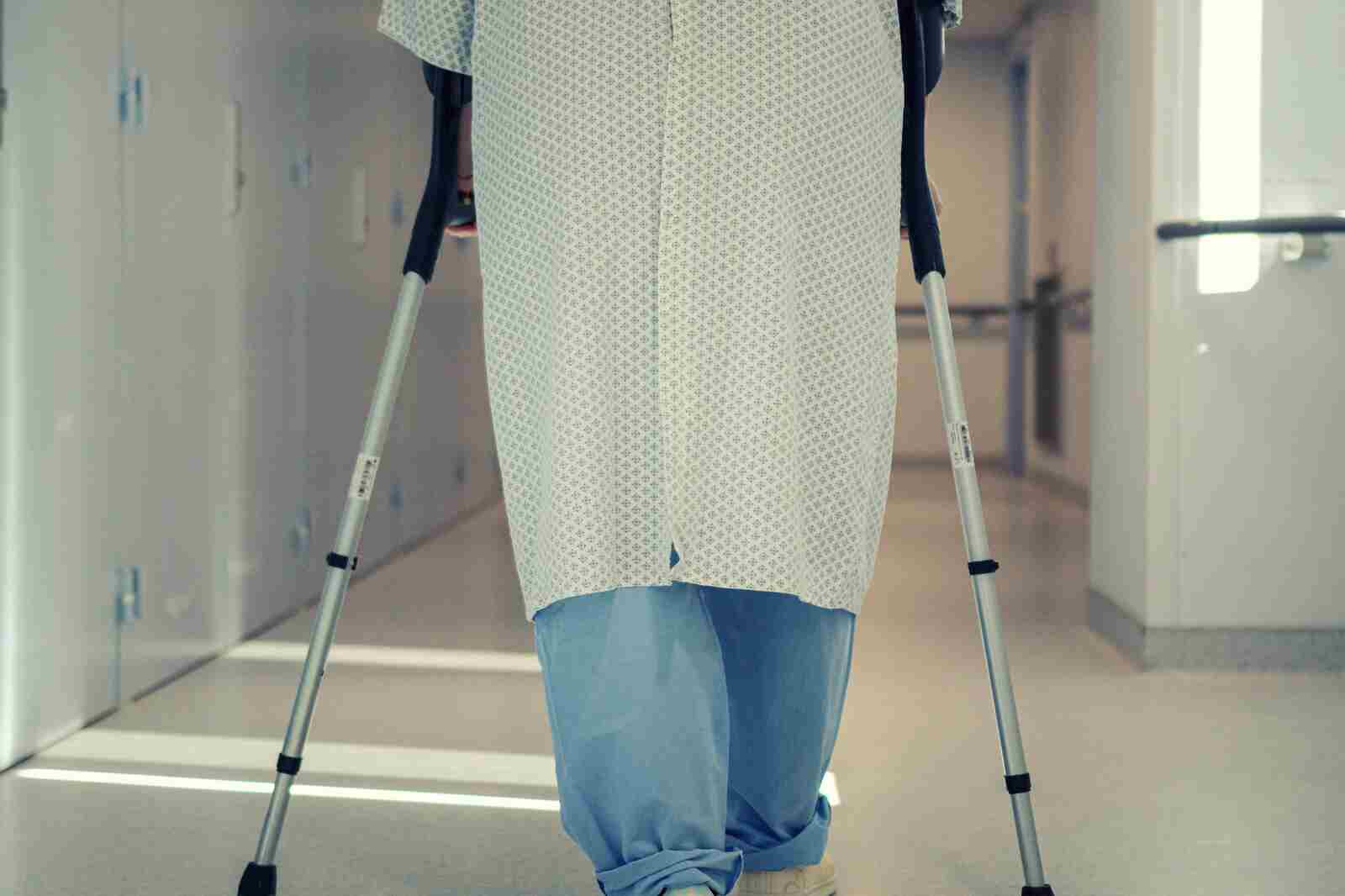
Post-surgical recovery at home means continuing your healing journey outside the hospital — in the comfort and familiarity of your own space. After most surgeries, patients are discharged within one to a few days. Recovery then continues at home for days, weeks, or even months, depending on the procedure.
This phase of recovery matters enormously. According to the
This phase of recovery matters enormously. According to the Centers for Disease Control and Prevention (CDC), surgical site infections and post-operative complications are a leading cause of hospital readmissions — most of which are preventable with proper monitoring and timely action.
Recovery at home works best when patients know what to expect, what to monitor, and when to reach out for help.
What to Expect During Post-Surgical Recovery
Physical Symptoms That Are Normal
Some discomfort is a natural part of the healing process. Here is what most patients can expect:
- Mild to moderate pain or soreness at the incision site
- Fatigue and low energy — your body is working hard to repair itself
- Swelling or bruising around the surgical area
- Reduced appetite in the first few days
- Slight fever (below 101°F / 38.3°C) in the first 24–48 hours
Warning Signs to Watch For
Some symptoms need prompt medical attention. Contact your doctor immediately if you notice:
- Fever above 101°F (38.3°C) lasting more than 24 hours
- Increasing redness, warmth, or discharge at the incision site
- Shortness of breath or chest pain
- Sudden swelling in the legs or calves (a sign of blood clots)
- Significant changes in heart rate — too fast or irregular
- Confusion or unusual disorientation
Early detection of these signs can prevent serious complications. This is why monitoring your vitals during recovery is so important.
What Is an At-Home Monitoring Kit?
An at-home monitoring kit is a set of medical-grade devices that help you track your key health metrics from home. These kits are designed to be simple and easy to use — no clinical training required.
Most kits used for post-surgical recovery at home measure:
- Blood pressure
- Heart rate and oxygen levels (pulse oximetry)
- Body temperature
- Physical activity and movement (fall detection)
The devices connect to a smartphone app or a central monitoring system. Your readings are automatically shared with your care team, who can review them and respond if something looks off.
This level of continuous visibility is a major shift from the traditional model, where patients had to wait for a follow-up appointment — often weeks after discharge — to flag any problems.
“Remote monitoring after surgery allows care teams to detect complications days before a patient would typically come back for a clinic visit. That window is critical.” — PubMed, NCBI — Post-Surgical Remote Monitoring Research
Who Benefits Most from At-Home Monitoring During Recovery?
While monitoring is helpful for everyone recovering from surgery, it is especially important for:
- Seniors (over 65), whose recovery times are longer and complications more common
- Patients with chronic conditions such as hypertension, diabetes, or heart disease
- Those recovering from major procedures like cardiac surgery, joint replacement, or colorectal surgery
- Patients who live alone or have limited caregiver support
- Anyone who has experienced complications from surgery in the past
Research published by the National Institutes of Health (NIH / PubMed) found that continuous vital sign monitoring at home after major surgery significantly improved early detection of deterioration — and gave patients and families greater peace of mind during recovery.
How to Use an At-Home Monitoring Kit During Recovery
Step 1: Set Up Before You Leave the Hospital
Ask your care team to help you set up your monitoring kit before discharge. Make sure you know how each device works, what readings to look for, and who to contact if something changes.
Step 2: Take Readings at the Same Time Each Day
Consistency is key. Take your blood pressure, oxygen levels, and temperature at the same time every day — usually in the morning and evening. This creates a clear baseline so any unusual changes are easy to spot.
Step 3: Log Your Symptoms
Along with your device readings, keep a brief daily log of how you feel. Note your pain level, energy, appetite, sleep quality, and anything unusual about your incision site.
Step 4: Share Data With Your Care Team
If your monitoring kit is linked to a remote patient monitoring platform, your data is shared automatically. If not, bring your log to every follow-up appointment and call your doctor if readings fall outside the normal range they specified at discharge.
Step 5: Trust the System — and Yourself
Modern monitoring kits are designed to give you real information, not to create anxiety. If a reading is out of range, your system will alert you. In the meantime, rest, follow your post-surgical instructions, and let the technology do the watching.
Preventive Care: Daily Habits That Support Recovery
Monitoring is just one piece of the puzzle. Here are daily habits that support a smooth recovery at home:
- Rest adequately — sleep is when your body does its deepest healing
- Stay hydrated — water supports circulation and tissue repair
- Eat nourishing meals — prioritize protein, fruits, and vegetables
- Move gently — short, slow walks (as cleared by your doctor) prevent blood clots and boost circulation
- Take medications on schedule — do not skip or double doses
- Keep the incision site clean and dry — follow your surgeon’s wound care instructions
- Avoid smoking and alcohol — both significantly slow the healing process
How Technology Is Changing Post-Surgical Care at Home
Not long ago, patients going home after surgery had to rely almost entirely on their own judgment about how they were feeling. A follow-up call from a nurse or an appointment in two weeks was the extent of post-discharge support.
Today, remote patient monitoring (RPM) technology has transformed this experience. Wearable devices, connected apps, and AI-driven analytics now give patients and care teams a continuous, real-time picture of health — the same quality of data that was once only possible in a hospital setting.
This matters enormously for post-surgical recovery at home. Studies show that many serious post-operative complications — including infections, blood clots, and cardiac events — can be detected earlier through continuous vital sign monitoring than through traditional follow-up alone.
How Vitalis Helps You Recover Safely at Home
Vitalis is a proactive healthcare partner built specifically around remote patient monitoring and medical alert monitoring. For patients recovering from surgery, the Vitalis platform offers powerful, practical support through three core capabilities:
Continuous Vital Sign Monitoring: The Vitalis Medical Alert Watch tracks blood pressure, heart rate, and oxygen levels around the clock — automatically transmitting data to your care team and designated family members. No manual entry required.
AI-Powered Early Detection: Vitalis uses AI to identify patterns and flag anomalies before they become emergencies. If your readings suggest a brewing complication, the system alerts your care team so intervention can happen days before a crisis develops.
Fall Detection and Emergency Response: Post-surgical patients are at higher risk of falls due to pain medication, reduced mobility, and fatigue. The Vitalis watch automatically detects falls and alerts emergency contacts and the Vitalis 24/7 monitoring center, ensuring help arrives quickly.
Peace of Mind for Families: Vitalis keeps family members and caregivers informed through a mobile app, giving everyone connected to the patient visibility into their health status — without overwhelming them with data.
Vitalis offers both monthly and annual subscription plans, making continuous monitoring accessible regardless of your care situation. It works alongside — not instead of — your existing healthcare providers.
Explore Vitalis’s full range of remote monitoring solutions at vitalis-pha.com/rpm-services.
Frequently Asked Questions
How long does post-surgical recovery at home typically take?
It depends on the type of surgery. Minor procedures may require a few days of rest, while major surgeries like joint replacements or cardiac procedures can involve weeks to months of recovery. Your surgeon will give you a personalized timeline.
What should my blood pressure be during recovery?
Normal blood pressure is generally under 120/80 mmHg. Your doctor may give you a specific target range based on your health history. Always share your readings with your care team and call if you notice a significant spike or drop.
When should I go to the emergency room instead of calling my doctor?
Go to the ER immediately for chest pain, difficulty breathing, sudden severe headache, signs of a blood clot (leg swelling, redness), or loss of consciousness. Do not wait for a callback in these situations.
Can I use an at-home monitoring kit if I am not tech-savvy?
Yes. Devices like the Vitalis Medical Alert Watch are designed for ease of use and require no technical background. Setup support is available by phone, and the monitoring is largely automatic once the device is worn.
Does insurance cover remote patient monitoring during recovery?
Many insurance plans, including Medicare, cover RPM services. Contact your provider to check your coverage. Vitalis can help guide you through this process.
“Early detection is key to preventing serious complications from post-surgical infections and other recovery setbacks.” — Centers for Disease Control and Prevention (CDC)
Conclusion
Post-surgical recovery at home is not something you should have to navigate alone. Knowing what to expect, recognizing warning signs early, and having the right monitoring tools in place can make the difference between a smooth recovery and a preventable hospital readmission.
At-home monitoring kits — especially when paired with a remote patient monitoring platform like Vitalis — give you and your care team the real-time visibility needed to catch problems early and respond quickly. You get the comfort of home and the watchfulness of continuous care.
Recovery is a process. With the right support, it does not have to be a guessing game.
Ready to take control of your recovery? Schedule a consultation with Vitalis today and get personalized remote monitoring support designed around your recovery needs. Get started at vitalis-pha.com
Explore More From Vitalis
• Remote Patient Monitoring Services — Learn how Vitalis RPM keeps you connected to your care team from home.
• Automatic Fall Detection Devices — How Vitalis detects and responds to falls automatically.
• Vitalis Preventative Health Management — Proactive monitoring programs to prevent complications before they start.
• Wearable Medical Alert vs. Home System — Choosing the right alert system for your recovery needs.
• Expert Predictions on Remote Patient Monitoring in 2026 — How RPM is reshaping post-surgical and chronic care.
Suggested Reads
• Smart Watches vs. Medical Alert Watches: What Seniors Actually Prefer
• Remote Monitoring for Dementia & Alzheimer’s: Support for Caregivers
• Is 2026 the Breakthrough Year for Remote Patient Monitoring?
Medical Disclaimer: This content is for informational purposes only and does not replace professional medical advice, diagnosis, or treatment. Always consult a qualified healthcare provider for personalized medical guidance.