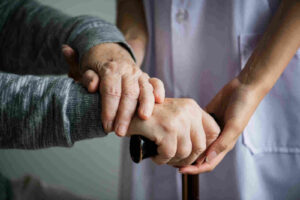

Every breath can feel like work when you’re living with COPD. For millions of older adults, a simple flight of stairs or a short walk to the mailbox can leave them gasping for air. Chronic obstructive pulmonary disease (COPD) affects how the lungs move air in and out, and it tends to get harder to manage with age. In this article, you’ll learn what COPD looks like in seniors, the warning signs to watch for, and practical ways to monitor and manage symptoms at home — including how modern remote patient monitoring tools are making it easier for families to stay ahead of trouble.
What is COPD?
COPD stands for chronic obstructive pulmonary disease. It’s a long-term lung condition that makes it harder to breathe over time.
Think of your lungs as balloons that should expand and deflate easily. With COPD, the airways become narrowed and inflamed, and the tiny air sacs lose their stretch. Air gets trapped, and breathing becomes a struggle.
Why it matters: COPD is one of the leading causes of hospitalization among seniors. Left unmanaged, it can lead to serious flare-ups, reduced independence, and a lower quality of life. But with the right home management plan, many older adults live active, fulfilling lives.
COPD Symptoms in Elderly People to Watch For
Symptoms often develop slowly, which is why families sometimes mistake them for “just getting older.” Watch for:
- Shortness of breath, especially during light activity
- A chronic cough that produces mucus
- Wheezing or a whistling sound while breathing
- Chest tightness
- Frequent respiratory infections
- Fatigue and low energy
- Blue-tinged lips or fingertips (a sign of low oxygen — seek help immediately)
- Swelling in the ankles, feet, or legs
If you notice these signs becoming more frequent or severe, it’s time to talk to a doctor. Our guide on recognizing early warning signs in chronic conditions covers this in more depth.
Causes and Risk Factors
Several factors increase the risk of COPD in older adults:
- Smoking history — the leading cause of COPD, even years after quitting
- Long-term exposure to lung irritants — dust, chemical fumes, air pollution
- Age — lung function naturally declines over time
- Genetics — a rare genetic condition (Alpha-1 antitrypsin deficiency) can play a role
- Existing respiratory conditions — like asthma, which can increase susceptibility
Diagnosis: How Doctors Identify COPD
Doctors typically use a combination of simple, non-invasive tests, including:
- Spirometry — a breathing test that measures how much air you can exhale and how fast
- Pulse oximetry — a small clip-on device measuring blood oxygen levels
- Chest X-ray or CT scan — to check for lung damage
- Blood tests — to rule out other causes of breathlessness
None of these require needles or major preparation, and most can be done in a single doctor’s visit.
Treatment Options for COPD in Seniors
Management usually combines a few approaches:
- Medications — bronchodilators and inhaled steroids to open airways and reduce inflammation
- Pulmonary rehabilitation — supervised exercise and breathing techniques
- Oxygen therapy — for those with lower blood oxygen levels
- Lifestyle changes — quitting smoking, avoiding lung irritants, staying active within limits
- Vaccinations — flu and pneumonia shots to reduce infection risk
Preventive Care and Daily Habits
Small daily habits can make a big difference:
- Take medications exactly as prescribed
- Practice breathing exercises like pursed-lip breathing
- Avoid smoke, strong fumes, and extreme temperatures
- Stay physically active with doctor-approved movement
- Eat a balanced diet to maintain energy and immune strength
- Monitor oxygen levels regularly at home — our guide to home health monitoring devices walks through the basics
How Technology is Changing COPD Care
Managing a chronic lung condition used to mean waiting for the next doctor’s appointment to know how things were going. Today, small, affordable devices can track vital signs continuously and alert caregivers the moment something looks off — long before a routine check-up would catch it.
How Vitalis Helps
This is exactly where Vitalis Remote Patient Monitoring comes in. For seniors managing COPD, consistent oxygen monitoring is one of the simplest ways to catch problems early — and that’s where COPD monitoring for seniors with a pulse oximeter becomes so valuable.
Vitalis RPM solutions include:
- Wearable pulse oximeters that track blood oxygen and heart rate around the clock
- AI-based tracking that flags patterns and unusual drops before they become emergencies
- Real-time alerts sent to caregivers and care teams
- Continuous monitoring, not just snapshot readings from occasional doctor visits
You can see how this works day-to-day in our piece on how remote monitoring supports seniors living independently.
The benefits for chronic obstructive pulmonary disease elderly care are significant:
- Faster response times when oxygen levels drop
- Early detection of flare-ups before they require an ER visit
- Improved patient outcomes through consistent, data-backed care
- Peace of mind for family members who can’t always be present
Frequently Asked Questions
Can COPD be reversed?
No, but it can be managed. With the right treatment plan, many seniors maintain a good quality of life for years.
How do I know if my loved one’s COPD is getting worse?
Watch for increased breathlessness, more frequent coughing, changes in mucus color, or unusual fatigue. A drop in oxygen saturation is often an early warning sign.
What’s a normal oxygen level for someone with COPD?
This varies by individual, but generally 88–92% or higher is considered acceptable for many COPD patients — always confirm target ranges with a doctor.
Is a pulse oximeter accurate enough for home use?
Medical-grade pulse oximeters, like those used in Vitalis RPM devices, are designed for reliable, continuous home monitoring and are widely used by healthcare providers.
When should I call the doctor?
If oxygen levels drop below the range your doctor recommends, or if breathlessness suddenly worsens, seek medical attention right away.
What the Experts Say
Public health authorities have long emphasized that catching respiratory decline early prevents complications from escalating. The CDC has repeatedly highlighted that consistent monitoring and early intervention are among the most effective tools for managing chronic respiratory conditions in older adults (CDC – COPD).
Similarly, research published via the National Institutes of Health points to home-based oxygen monitoring as a meaningful way to reduce hospital readmissions among COPD patients (PubMed).
Conclusion
COPD can feel overwhelming, but with the right daily habits, medical support, and monitoring tools, seniors can breathe easier and stay independent longer. Catching changes early — before they turn into emergencies — is one of the most powerful things a family can do.
Take control of your loved one’s respiratory health today. Schedule a consultation with Vitalis and get personalized remote monitoring support built for seniors managing COPD.
Suggested Reads:
- Understanding Remote Patient Monitoring: A Guide for Families
- How Medical Alert Systems Support Independent Living
- Managing Chronic Conditions at Home: A Senior’s Guide
This content is for informational purposes only and does not replace professional medical advice, diagnosis, or treatment. Always consult a qualified healthcare provider for personalized medical guidance.