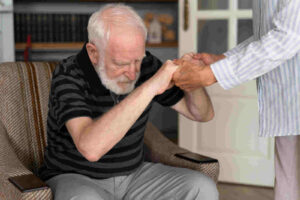

Last August, I learned firsthand how serious dehydration risks in elderly people can be. I called my mother for our usual Sunday chat, and something felt off. Her words came slowly, and she kept losing her train of thought mid-sentence. By the time I reached her house twenty minutes later, she was sitting in a warm kitchen with a full glass of water untouched beside her. At urgent care that afternoon, the diagnosis was simple: dehydration, made worse by the summer heat and a blood pressure medication that made it easier for her body to lose fluid.
That day taught our family something many people learn too late: dehydration risks in elderly people are far more common than most of us assume. Here is why seniors are so vulnerable, and what actually helps.
What Is Dehydration, and Why Does It Hit Seniors Harder?
Dehydration happens when the body loses more fluid than it takes in and can no longer regulate temperature properly. In older adults, this risk climbs fast. Body water shrinks with age, thirst signals weaken, and kidneys hold onto fluid less efficiently. Diabetes and medications like diuretics add more strain, which is part of why the CDC notes older adults face greater risk from extreme heat.
Signs of Dehydration in Seniors to Watch For
- Confusion, unusual sleepiness, or trouble concentrating
- Dizziness, or a fast and weak pulse
- Dry mouth, dry skin, or sunken eyes
- Dark yellow urine or fewer bathroom trips than usual
- Fatigue bigger than the day’s activity explains
These signs are often mistaken for normal aging or medication side effects. That overlap is exactly why dehydration goes unnoticed until it becomes an emergency, which is why understanding how a heat wave affects the aging body matters for caregivers.
Diagnosis and Treatment
Doctors typically check for dehydration through a physical exam and blood tests that measure kidney function and electrolytes, as outlined in NIH clinical resources on adult dehydration. Mild cases usually respond to water or electrolyte drinks. Moderate to severe cases may need IV fluids, so catching it early matters.
How to Prevent Dehydration in Elderly Adults During Summer Heat
- Offer water on a regular schedule, not only when thirst appears
- Keep a full water bottle within easy reach all day
- Add water-rich foods like watermelon, cucumber, and soup
- Limit caffeine and alcohol during hot stretches
- Stay indoors or in shade during peak afternoon heat
- Watch for sudden dizziness, a common early clue
How Technology Is Changing Senior Care
Wearable devices and remote monitoring can flag warning signs, like a rising heart rate or a drop in daily activity, before a family member notices anything is wrong.
How Vitalis Helps
Vitalis medical alert watches and remote patient monitoring track vital signs like heart rate and activity around the clock. If a reading looks unusual, caregivers and our care team are alerted right away. Paired with medical alert monitoring SOS and fall detection, this means faster response times, earlier detection, and better outcomes for the people you love.
FAQs
How much water should an elderly person drink each day?
Many seniors need six to eight cups a day, more during summer heat. Ask a doctor for a specific target if kidney or heart conditions are involved.
Can dehydration cause confusion in older adults?
Yes. Even mild dehydration can affect the brain, causing confusion sometimes mistaken for dementia.
Is dehydration riskier for seniors on medication?
Yes. Diuretics and some blood pressure medications make it easier to lose fluid, so steady water intake matters even more.
What the Experts Say
“Older adults are particularly vulnerable to the effects of extreme heat,” says Dr. Zeeshan Khan, chief of geriatric medicine at Hackensack Meridian Jersey Shore University Medical Center.
The Takeaway
Dehydration is one of the most preventable, and most overlooked, risks facing older adults this summer. A little awareness and steady water intake make a real difference.
Take Control of Your Family’s Health Today
Schedule a consultation with Vitalis and get personalized remote monitoring support that helps catch problems like dehydration before they become emergencies.
Schedule a ConsultationThis content is for informational purposes only and does not replace professional medical advice, diagnosis, or treatment. Always consult a qualified healthcare provider for personalized medical guidance.
Suggested Reads: